

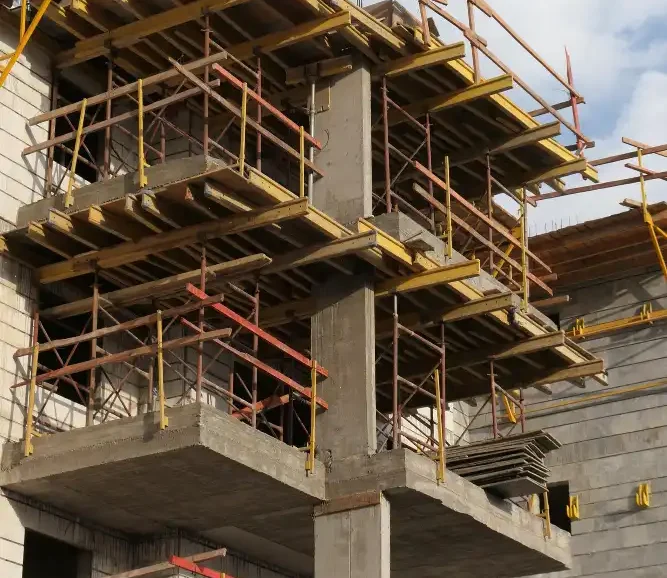
Customer-Centric Construction Services Enhancing Project Outcomes in Saudi Arabia
Issues
The main challenge was the lack of a structured customer-centric framework. Client interactions were largely project-driven and transactional, with limited consistency across teams. Communication channels varied by project, leading to misaligned expectations and delayed issue resolution. Change requests often caused friction due to unclear processes and cost implications. Additionally, the absence of formal feedback loops limited the organization’s ability to systematically improve service delivery. These issues affected client confidence and reduced opportunities for repeat business in a competitive construction market.
Solution
Approach
The engagement followed a structured service transformation approach:
- Mapped the end-to-end client journey across construction phases
- Identified pain points and service gaps through stakeholder interviews
- Defined standardized communication and reporting frameworks
- Designed change management and variation handling protocols
- Introduced client feedback and satisfaction tracking mechanisms
- Aligned internal roles and responsibilities around service delivery
- Established performance metrics linked to customer outcomes
- Supported implementation through process documentation
This approach ensured customer-centricity was embedded into daily operations.
Recommendations:
To sustain service excellence, the following recommendations were provided:
- Formalize client engagement standards across all projects
- Introduce regular progress reporting and milestone reviews
- Standardize change request evaluation and approval workflows
- Implement post-project feedback and lessons-learned reviews
- Align incentives with customer satisfaction metrics
- Train project teams on client communication and expectation management
- Continuously refine services based on customer insights
These actions strengthened trust and consistency across client engagements.
Engagement ROI
The engagement resulted in tangible service and financial benefits. Client satisfaction scores improved by an estimated 25–30%, based on structured feedback assessments. Improved communication reduced dispute-related delays by approximately 15%, supporting smoother project execution. Repeat engagement opportunities increased, contributing to a projected 10–12% uplift in annual project pipeline value. The client also benefited from stronger reputation and referral potential within the Saudi construction market.