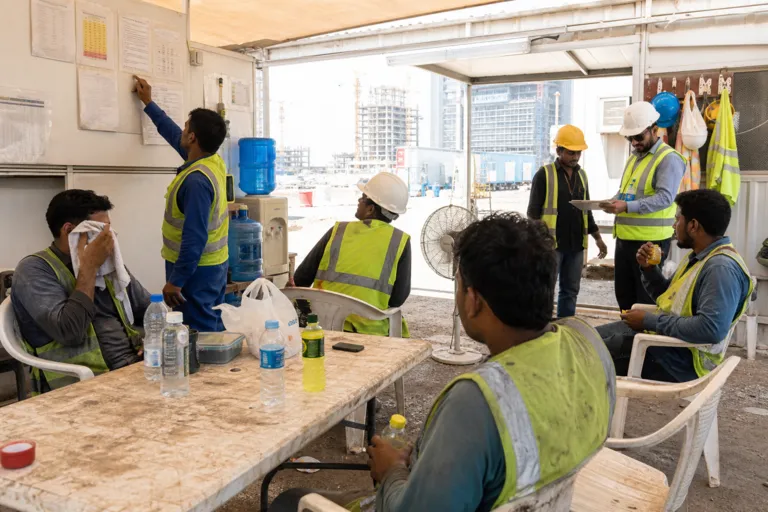
Construction sites in Saudi Arabia face a growing heat problem. Human Rights Watch said Gulf states are exposing migrant workers to extreme summer heat without adequate protection. It warned that calendar-based midday work bans can ignore scientific evidence about when heat risk is highest. For construction worker welfare Saudi Arabia, this matters because welfare rules and heat rules affect daily planning, supervision, and budgets.
Research shared by Human Rights Watch shows why time-only bans can miss the danger window. One study found the highest heat intensity for workers in Saudi Arabia was from 9 a.m. to noon, while the ban is between noon and 3 p.m. Human Rights Watch also quoted a former Saudi-based construction worker who said summer shifts started at 4 a.m., and that “by 10, it was unbearable.” He also said that during midday bans they slept in a rest area with no AC and no refrigerator for food, though they had cold water.
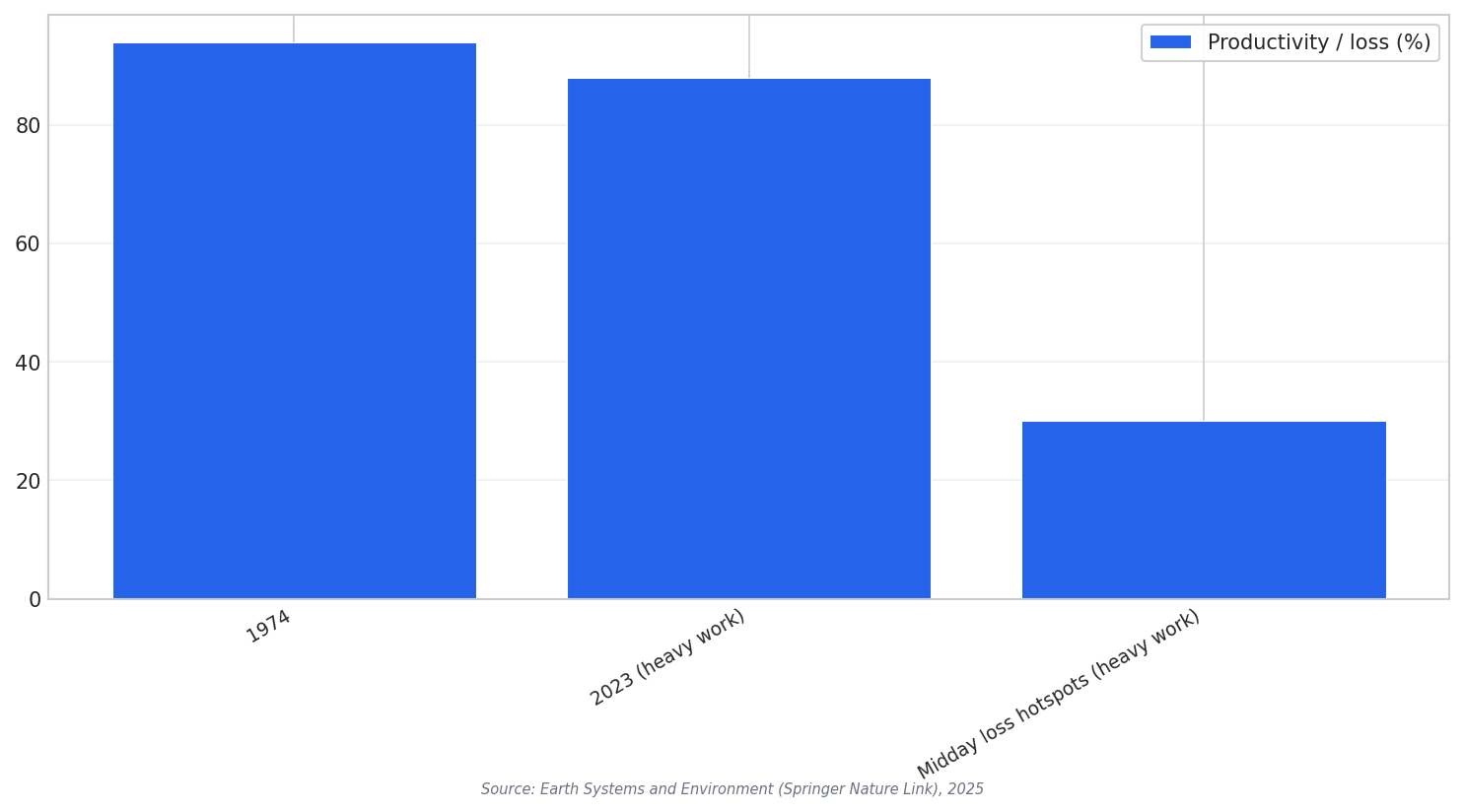
Heat also links to output loss, which can turn into cost pressure. A five-decade analysis of the Arabian Peninsula found WBGT has increased, with annual levels rising by up to 1.5 °C and summer levels by 1.0 to 1.5 °C from 1974 to 2023. It also found heavy-work productivity declined from 94% in 1974 to under 88% in 2023.
What New Saudi Site Welfare Rules Can Add to Costs
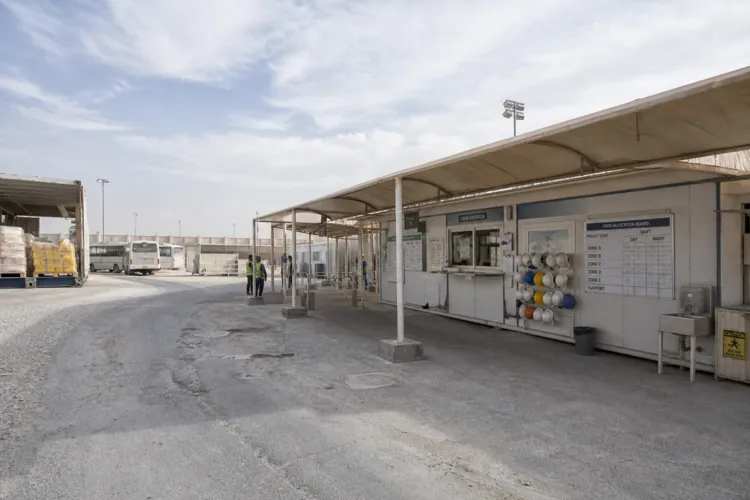
Some Saudi safety expectations described for 2026 are more detailed than a simple midday ban. Gulfconstruction says mandatory shaded breaks require designated cooling stations with air-conditioning or high-power misting fans. It also says major sites now use real-time heat index sensors that trigger automatic work stoppages if conditions exceed safe physiological limits. These steps can raise capital and operating costs for equipment, power, and maintenance. But they can also reduce disruption from unmanaged heat and improve site control.
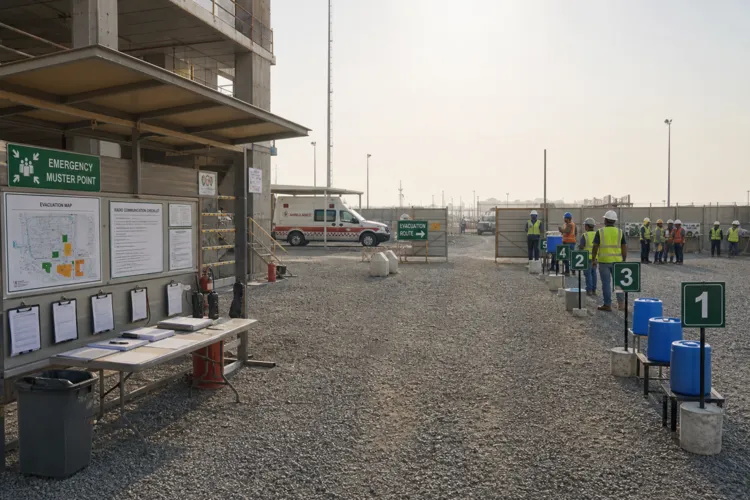
Other compliance items can change cost structures in clearer ways. Gulfconstruction states PPE provision is a non-negotiable employer obligation and that a “Zero-Cost to Worker” rule is strictly enforced, with blacklisting for companies deducting PPE costs from salaries. It also says every large-scale site must have an Integrated Emergency Response Plan, and that projects with over 500 workers must have an on-site medical clinic staffed by a licensed nurse or paramedic. These items can increase fixed overhead, especially on remote projects, but can also shorten response time when workers get sick from heat.
Across the region, a 2026 scoping review says heat-stress policies have often relied on administrative controls such as limiting work hours, but a more comprehensive approach is emerging. It lists measures such as heat exposure monitoring, mandatory worker training, shaded or cooled rest areas, structured acclimatization protocols, and environmental alert systems. For contractors, each extra layer can add cost, but it can also reduce avoidable stoppages and help protect labor productivity in extreme conditions.
Why is a calendar-based midday work ban not enough for construction worker welfare Saudi Arabia?
What heat-related site measures are described for Saudi construction in 2026?
What welfare and emergency requirements can affect project budgets on large sites?
What does the “Zero-Cost to Worker” PPE rule mean in practice?
What does research say about heat stress and productivity on the Arabian Peninsula?
Talk to us for your needs in:
-
Sustainable Construction Solutions
-
Strategic Construction Planning
-
Customer-Centric Construction Services
-
Operational Excellence in Construction
-
Leadership and Change Management for Construction
-
Digital Transformation in Construction
-
Saudi Construction Market Research
-
In-Depth Market Study for Construction
-
Market Intelligence and Insights in Construction
-
Feasibility Study and Assessment in Construction
-
Saudi Construction Benchmarking