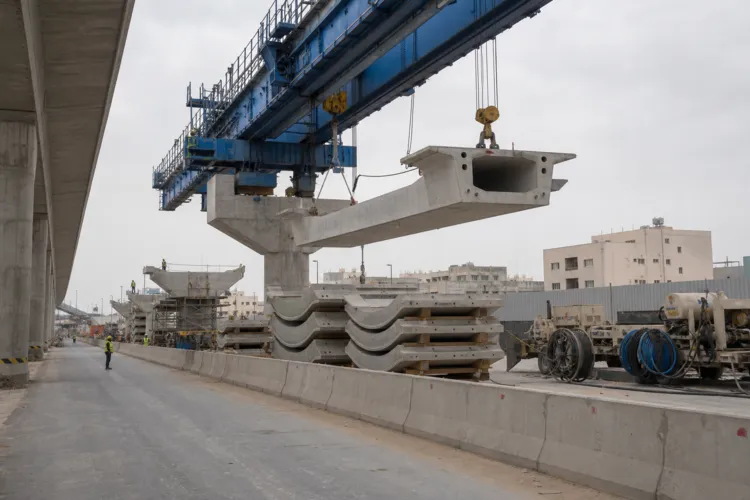
In Saudi Arabia, the net-zero building discussion quickly becomes a cooling discussion. Buildings consume approximately 75% of total electricity in the country. Residential buildings account for over half of national electricity consumption, and cooling demands alone are responsible for more than 70% of this residential use. With rapid urbanization across the Gulf region, power consumption has also been rising by up to 13.3% annually. In this context, district cooling Saudi Arabia is not just a technical choice. It can be a practical lever for meeting net-zero compliance expectations in major cities.
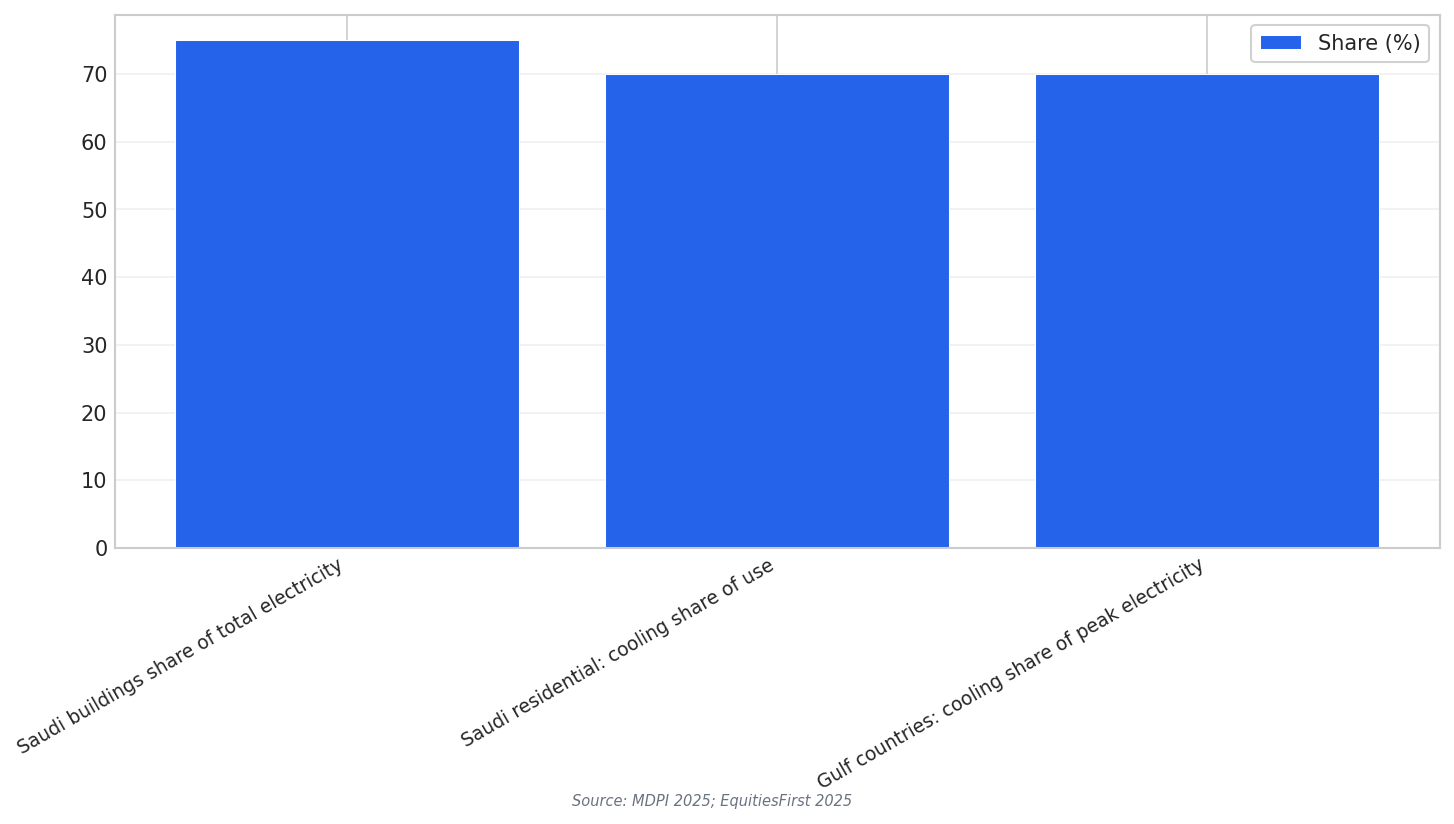
Several sources show how large cooling can be in electricity profiles. In Gulf countries, cooling alone consumes up to 70% of peak electricity. In Saudi residential buildings, cooling is also described as more than 70% of electricity use. These two “70%” figures appear in different sources and describe different system views, but they point to the same risk: cooling can dominate both peak demand and household energy use.
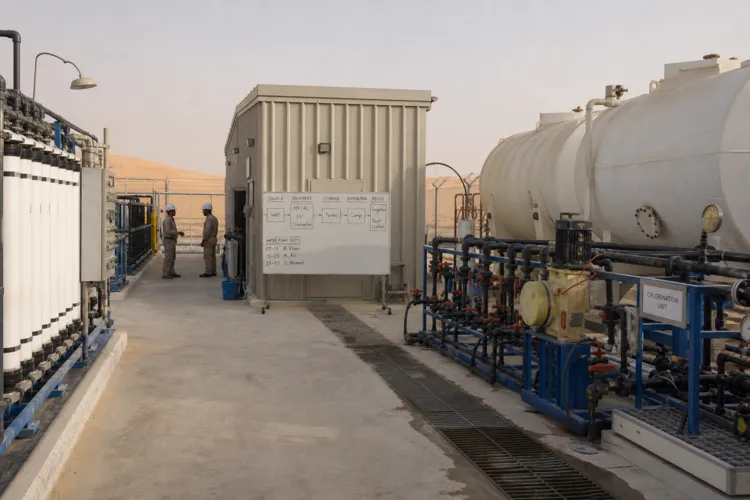
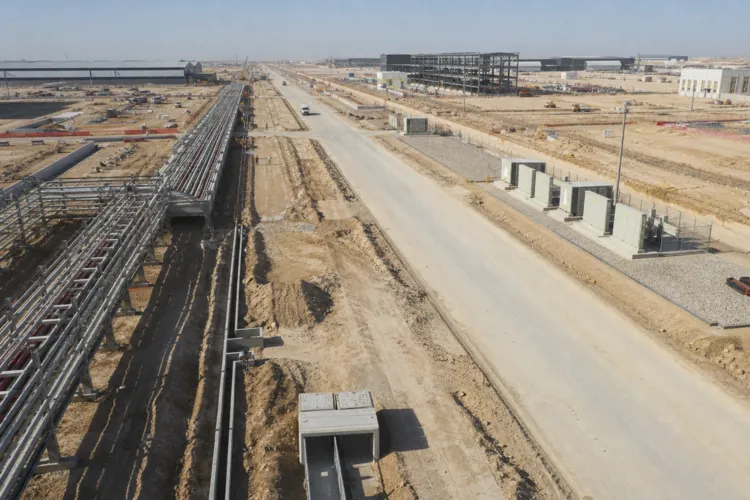
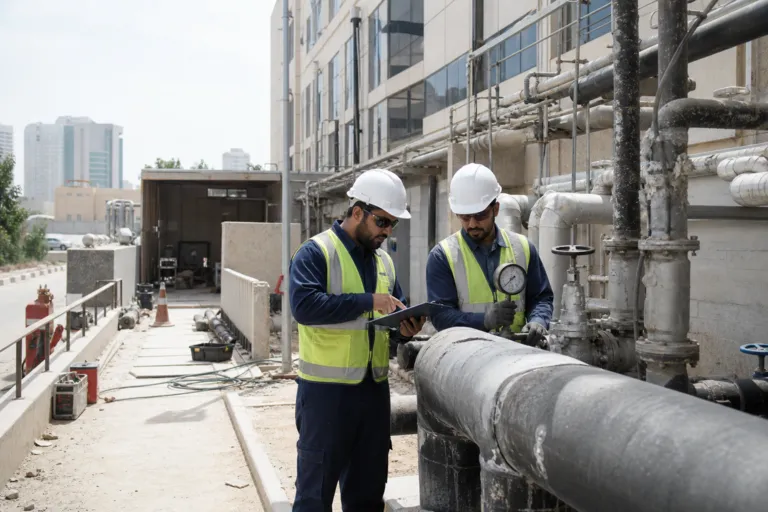
District cooling systems are described as centralized plants delivering chilled water through insulated pipelines. For fast-growing city districts, this network approach can shift cooling away from many separate units and toward a system that can be measured and managed at scale. That matters because net-zero requirements can be hard to deliver in practice. One review notes that compliance often involves resource-intensive processes, including exhaustive documentation, third-party certifications, and inspections. If cooling is the biggest load, improving and tracking cooling performance can reduce compliance friction.
Why District Cooling Helps the Net-Zero Proof Problem
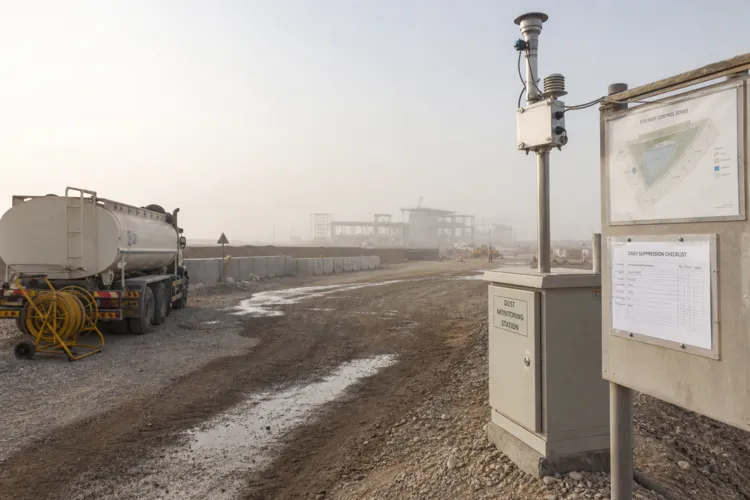
Net-zero planning is moving toward stronger scrutiny. A COP-focused analysis says transition plans must be backed by reproducible emissions data, evidence-linked inputs, and governance that can withstand repeat scrutiny from banks, customers, and auditors. It also highlights that many teams do not have a “carbon problem,” they have a data workflow problem. District cooling networks can support better data workflows because centralized plants and distribution networks can make metering, reporting, and operational checks more consistent than tracking thousands of stand-alone systems.
District cooling is not the only lever. Saudi projects can cut cooling demand earlier in design. One industry perspective notes that passive measures such as shading, ventilation, and thermal mass materials can reduce cooling demand by 9% to 17% when considered early. Regional building research also points to large ranges from other efficiency measures. For example, a UAE-focused review reports HVAC optimization with 20% to 40% energy reductions, building envelope improvements with 15% to 48% reductions in cooling demand, and smart building technology with 10% to 30% operational savings. These figures are not Saudi-specific, but they show how a district cooling strategy can be paired with building-level efficiency to reduce loads before they hit the network.
For Saudi cities like Riyadh and Jeddah, the case for district cooling is closely tied to growth and comfort expectations. Cooling-heavy demand keeps rising, and cooling can dominate peak electricity. A district cooling network, combined with early passive design and stronger operational controls, can lower demand and make performance easier to demonstrate. For net-zero building compliance, that mix supports two goals at once: lower cooling energy and cleaner, more defensible reporting.
What is district cooling Saudi Arabia, in simple terms?
Why does cooling matter so much for net-zero buildings in Saudi Arabia?
How can district cooling make net-zero compliance easier to prove?
What other cooling-demand reductions can complement district cooling?
Talk to us for your needs in:
-
Sustainable Construction Solutions
-
Strategic Construction Planning
-
Customer-Centric Construction Services
-
Operational Excellence in Construction
-
Leadership and Change Management for Construction
-
Digital Transformation in Construction
-
Saudi Construction Market Research
-
In-Depth Market Study for Construction
-
Market Intelligence and Insights in Construction
-
Feasibility Study and Assessment in Construction
-
Saudi Construction Benchmarking