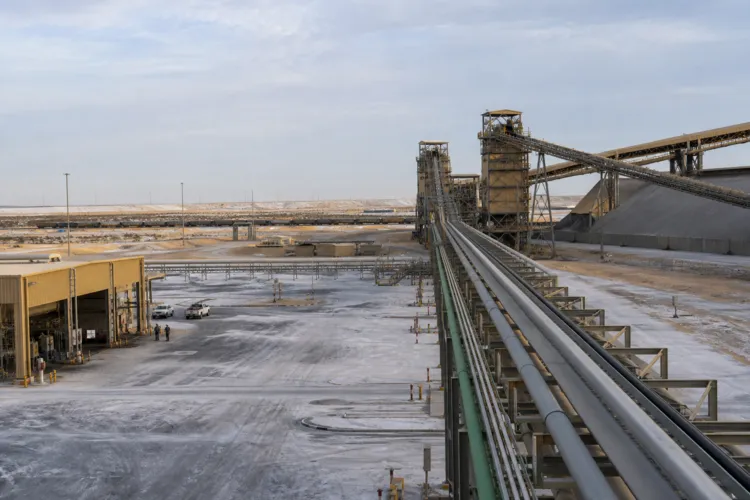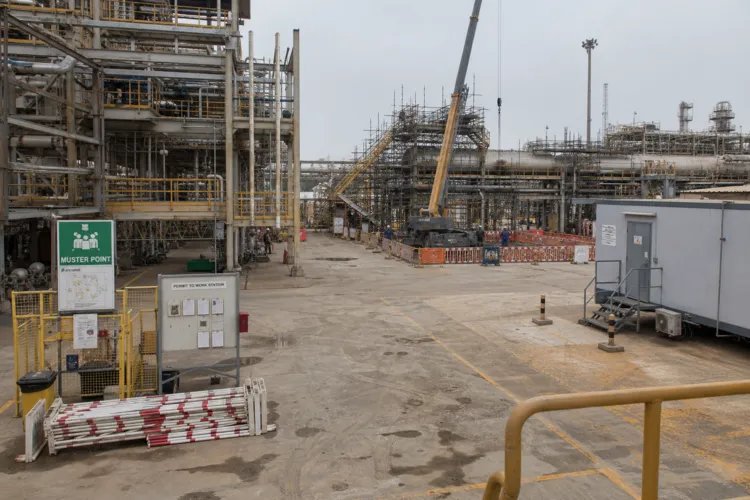
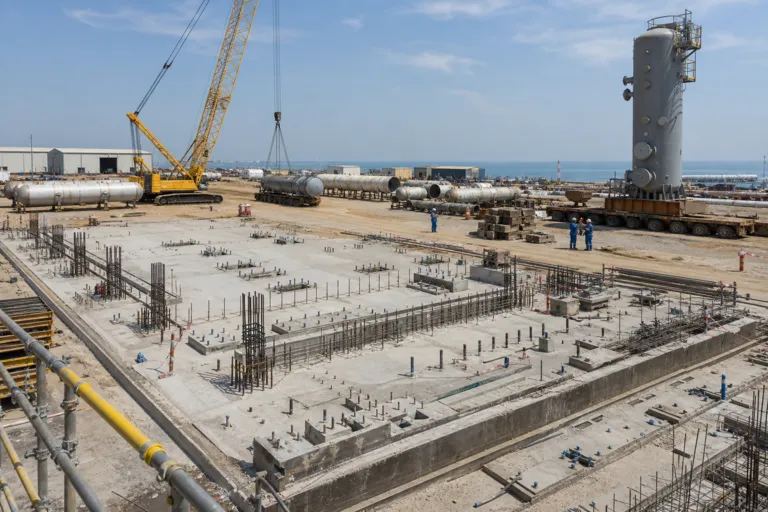
SABIC Agri-Nutrients Company has shifted a long-planned fertilizer expansion in Jubail Industrial City from development toward execution. On September 9, 2026, its Board of Directors approved a final investment decision and awarded an engineering, procurement and construction contract to Samsung E&A valued at USD 3.465 billion, described elsewhere as about USD 3.47 billion or USD 3.5 billion. The project is designed around two core products: about 1.2 million tonnes per year of ammonia and two urea trains with combined capacity of 2.6 million tonnes per year. The scope also includes post-combustion carbon capture, with captured CO₂ reused in urea production.
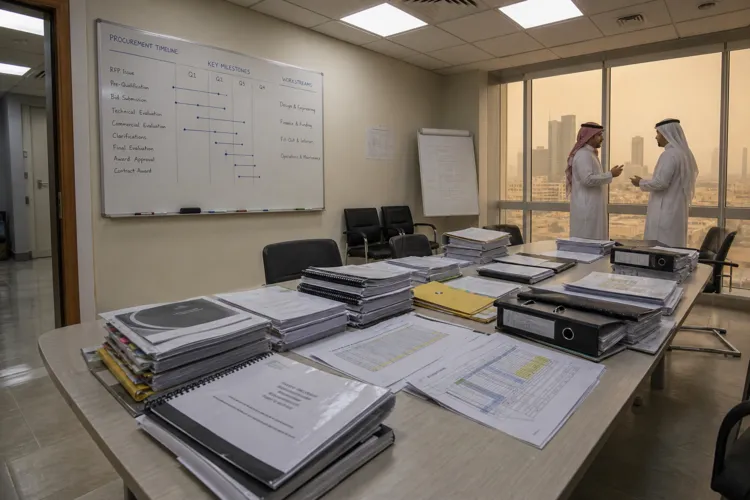
Schedule is central to how the investment will be judged, especially while Gulf shipping lanes remain disrupted, a backdrop that keeps attention on export reliability and delivered costs. SABIC Agri-Nutrients has said construction is expected to begin in the fourth quarter of 2026, while commercial operations are targeted for the fourth quarter of 2030. The four-year execution window underlines why a final investment decision matters: it is a meaningful commitment to proceed with a disclosed EPC value and a named contractor, but it is not the same as a completed, commissioned plant. Detailed engineering, procurement timing, construction sequencing, and completion testing still sit between today’s award and first product.
What the EPC Award Means for Capacity, Exports, and Execution Risk
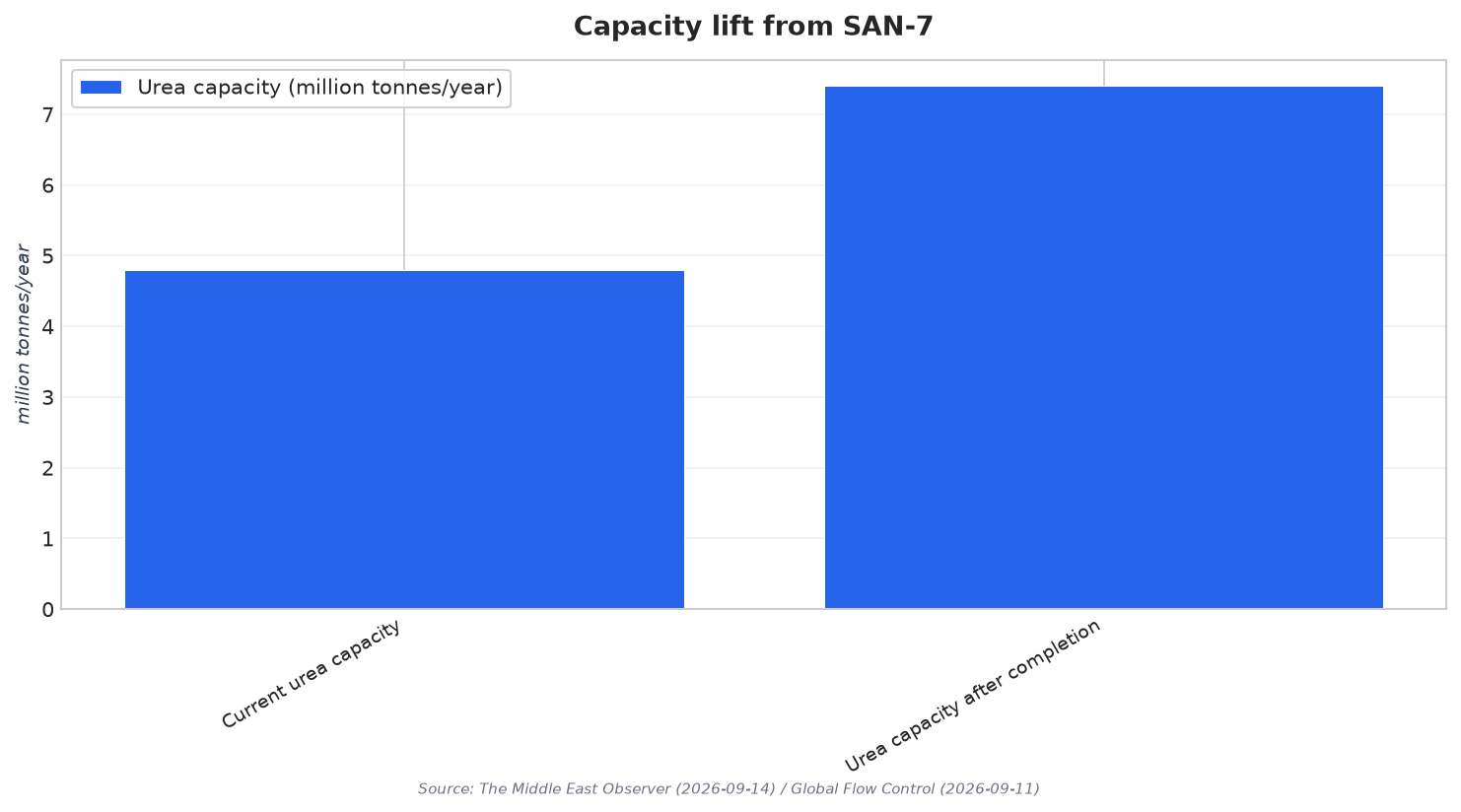
The planned addition is framed as a capacity-led bet. Once completed, SAN-7 is expected to lift SABIC Agri-Nutrients’ total urea capacity from about 4.8 million tonnes per year to 7.4 million tonnes per year, described as an increase of around 54%. Samsung E&A has said the new urea output is intended for export, positioning the complex as a direct expansion of Saudi Arabia’s footprint in global nitrogen-fertilizer markets. The project also fits the broader Vision 2030 logic described in the sources: converting domestically supplied natural gas into higher-value industrial exports and supporting a larger Jubail-centered pipeline of industrial investment.
Several sources highlight that the disclosed USD 3.465 billion figure is the EPC award, not necessarily the full lifecycle investment. Owner’s costs, financing, offsite utilities, feedstock connections, contingency, and scope changes may sit outside the EPC price. That distinction becomes more important as execution stretches toward the 2030 target and market conditions evolve. The sources also note that fertilizer outcomes will hinge less on nameplate capacity and more on sustained high utilization and a low delivered-cost position, with margins sensitive to variables such as gas prices, Chinese exports, crop economics, and trade restrictions.
Policy and enabling approvals sit behind the timing. The Ministry of Energy approved the required feedstock allocation for the seventh plant at Jubail in March 2026, and SABIC Agri-Nutrients’ final investment decision followed in September 2026. In practice, that sequence helps define what the Jubail fertilizer complex EPC contract for 2026 is really buying: a locked-in route from approvals to execution, with Samsung E&A responsible for delivering an integrated ammonia-and-urea complex that includes carbon capture. The commercial test comes after commissioning in Q4 2030, when the project must translate scale, utilization, and export delivery into durable performance.
Who won the EPC work for SABIC Agri-Nutrients’ new Jubail complex?
What is the disclosed value of the EPC award?
What capacities are planned for the Jubail ammonia–urea project?
When are construction and commercial operations expected for the Jubail fertilizer complex EPC contract in 2026?
How much does the project lift SABIC Agri-Nutrients’ urea capacity?
Talk to us for your needs in:
-
Sustainable Construction Solutions
-
Strategic Construction Planning
-
Customer-Centric Construction Services
-
Operational Excellence in Construction
-
Leadership and Change Management for Construction
-
Digital Transformation in Construction
-
Saudi Construction Market Research
-
In-Depth Market Study for Construction
-
Market Intelligence and Insights in Construction
-
Feasibility Study and Assessment in Construction
-
Saudi Construction Benchmarking