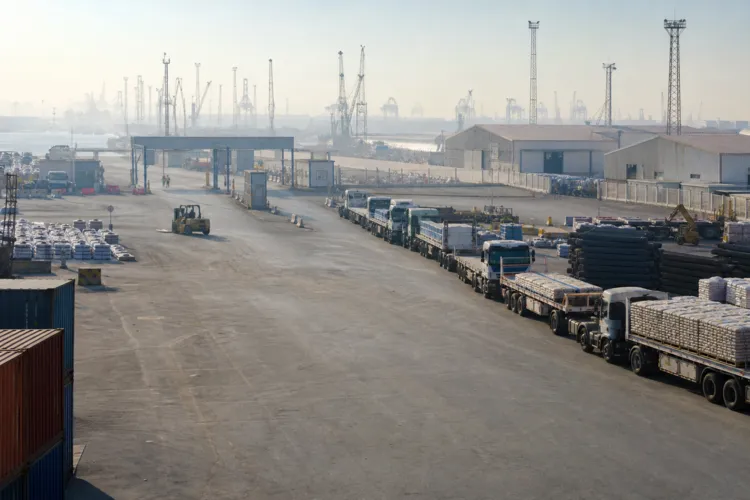
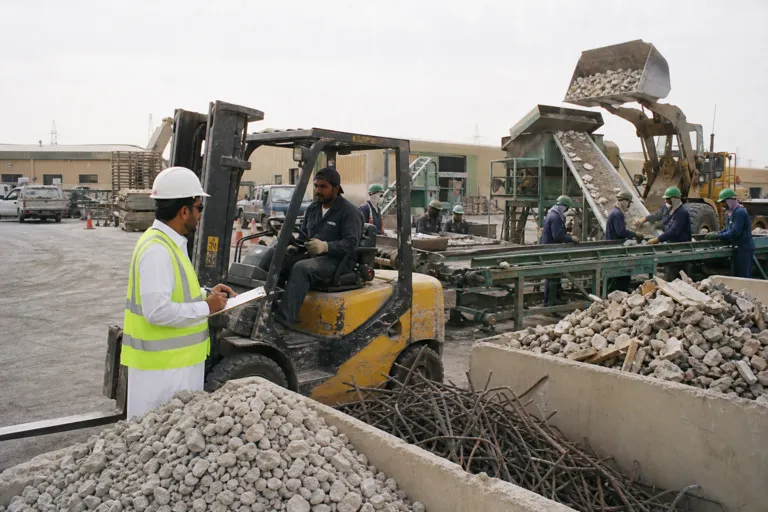
Closing the loop in construction starts with a simple idea. Treat construction and demolition (C&D) debris as a set of materials, not as trash. The US EPA describes C&D materials as debris from building, road, and bridge construction, renovation, and demolition. It often includes concrete, wood, asphalt, gypsum, metals, brick, glass, plastics, and salvaged components like doors and windows. This framing matters for construction waste recycling Saudi Arabia because recovery only works when materials are identified and routed to a next use.
Mandates are one of the strongest tools to push that routing. In Los Angeles County, Public Works enforces a 65% diversion rate for C&D debris. RecycleSmart describes a similar requirement: a Waste Management Plan that shows 65% or more diversion for reuse or recycling. Denver’s “Waste No More” ordinance adds another lever by requiring detailed recycling and reuse plans before permits for demolition projects. Across these examples, the pattern is clear: rules demand planning before work begins, not only reporting after it ends.
Global and US data also shows why mandates focus on demolition. A ScienceDirect review says C&D waste accounts for 25–40% of all solid waste worldwide. It also estimates global C&D waste generation at 2–3 billion tons annually, with a 3–5% annual growth rate. In the United States, the EPA estimates 600 million tons of C&D debris were generated in 2018, and demolition represented more than 90% of total C&D debris generation. These figures point recovery programs toward the biggest source streams first.
Mandates Create Predictable Feedstock for Recovery
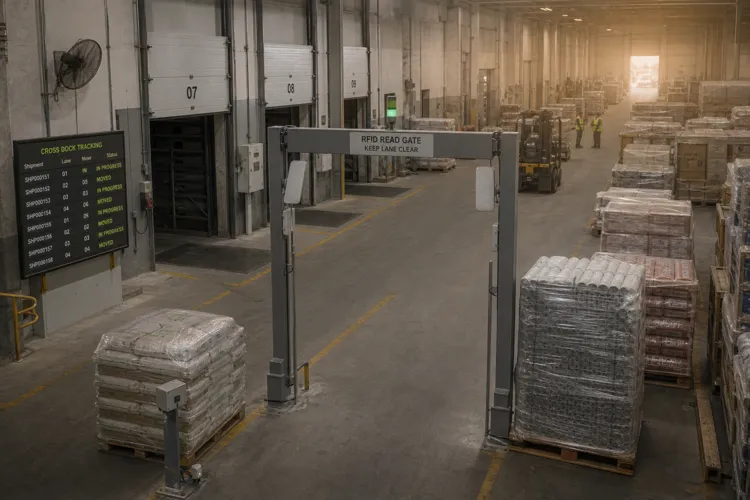
Recovery businesses need volume and consistency. Diversion rules help create that. Los Angeles County requires projects to apply for a Recycle Reuse Plan, keep weight tickets during the job, and submit them in a Final Compliance Report. Those tickets create traceability. The county also sets a strict compliance window: all weight tickets must be submitted within 45 days of the estimated project end date. Failure may result in a penalty fee up to $50,000. These mechanics reduce “leakage” to disposal and make supply more reliable for recyclers.
For a recovery operator, the best business models match the material. The EPA notes that “next use” markets can include fuel, manufactured products, aggregate, compost and mulch, or soil amendment, depending on the material. The EPA also states that aggregate was the main next use for materials in US C&D debris. A practical model is to specialize in high-volume heavy fractions like concrete and asphalt and sell recycled aggregate into new projects. Another model focuses on salvage and resale of building components, such as doors, windows, and plumbing fixtures, where value depends on careful removal and sorting.
Operationally, separation is the make-or-break step. National Waste states that the most important step for recycling construction waste is on-site separation, even though it takes extra effort and training at first. It also notes an estimate that for every 2,000 square feet of construction, there are 8,000 pounds of construction waste. That scale supports on-site sorting plus contracted hauling to processors. National Waste also ties diversion to incentives by noting LEED points: one point for a 50% recycling rate and two points for 75% or more. For construction waste recycling Saudi Arabia, the lesson is to pair clear targets with simple plans, proof of diversion, and trained sorting workflows so recovery businesses can deliver consistent quality materials.
What materials are usually included in C&D debris?
What diversion rate do some jurisdictions require for C&D recycling?
How does compliance get enforced during a project?
How much construction waste can a project generate, based on the sources?
What can construction waste recycling Saudi Arabia learn from these mandate examples?
Talk to us for your needs in:
-
Sustainable Construction Solutions
-
Strategic Construction Planning
-
Customer-Centric Construction Services
-
Operational Excellence in Construction
-
Leadership and Change Management for Construction
-
Digital Transformation in Construction
-
Saudi Construction Market Research
-
In-Depth Market Study for Construction
-
Market Intelligence and Insights in Construction
-
Feasibility Study and Assessment in Construction
-
Saudi Construction Benchmarking