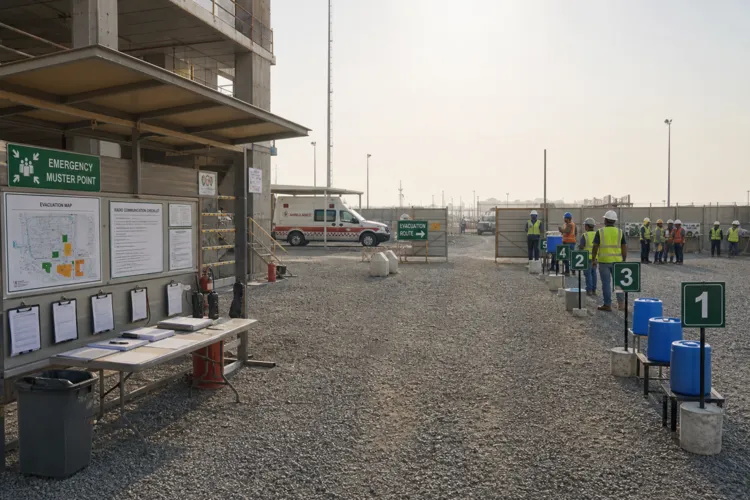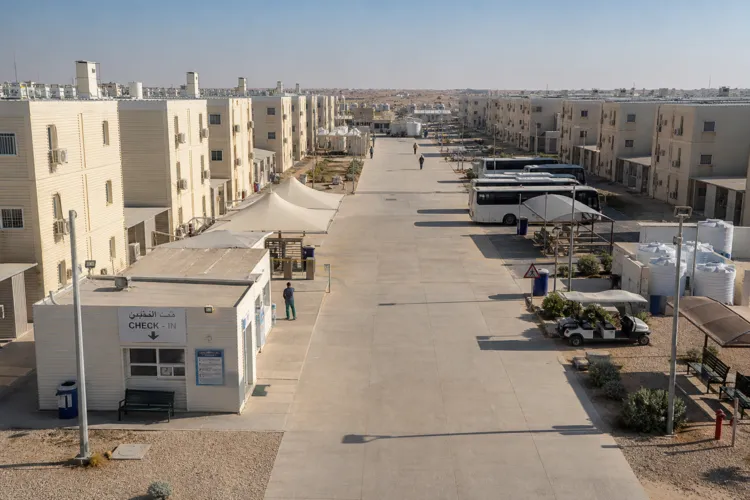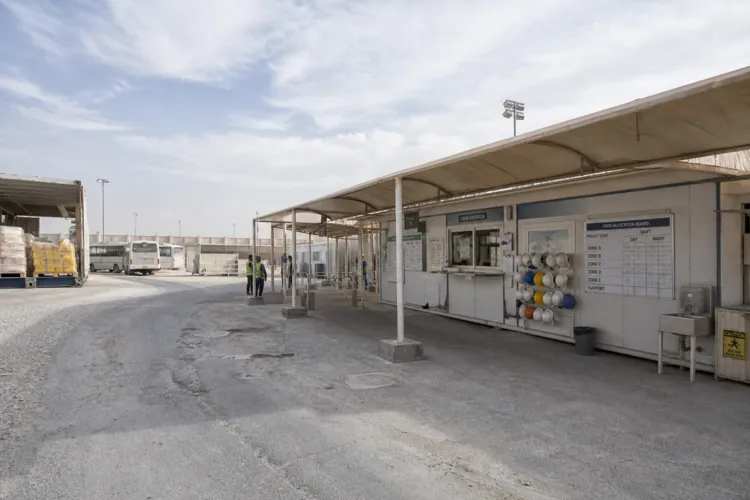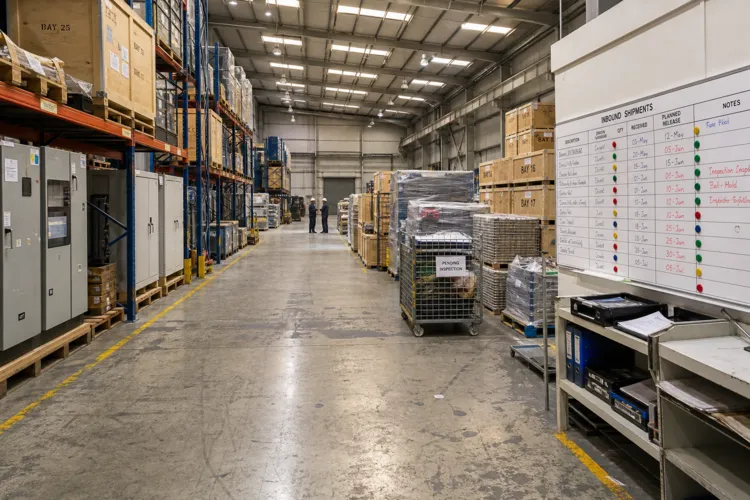
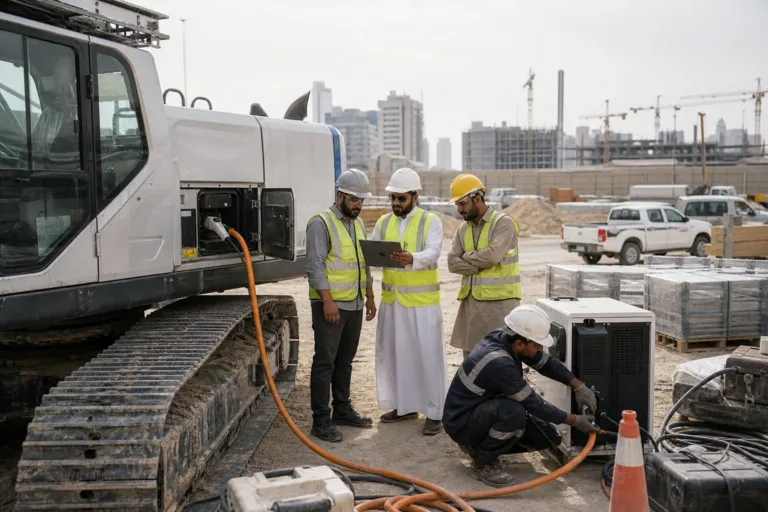
Saudi Arabia is building at speed. Riyadh, Jeddah, and Dammam lead demand because they are central to government-funded infrastructure and to commercial and industrial development. In this fast market, contractors are looking at cleaner machines and smarter fleets. That is where battery-powered excavators, loaders, and cranes start to fit.
Spending plans are a key signal. One report says Vision 2030 aims to invest over USD 500 billion in infrastructure projects, and that the government has allocated approximately USD 200 billion for infrastructure projects in the near future. A separate regional report says Saudi Arabia’s Vision 2030 allocates USD 1 trillion for infrastructure, including NEOM. The same report also cites a USD 2 trillion infrastructure pipeline within the GCC.
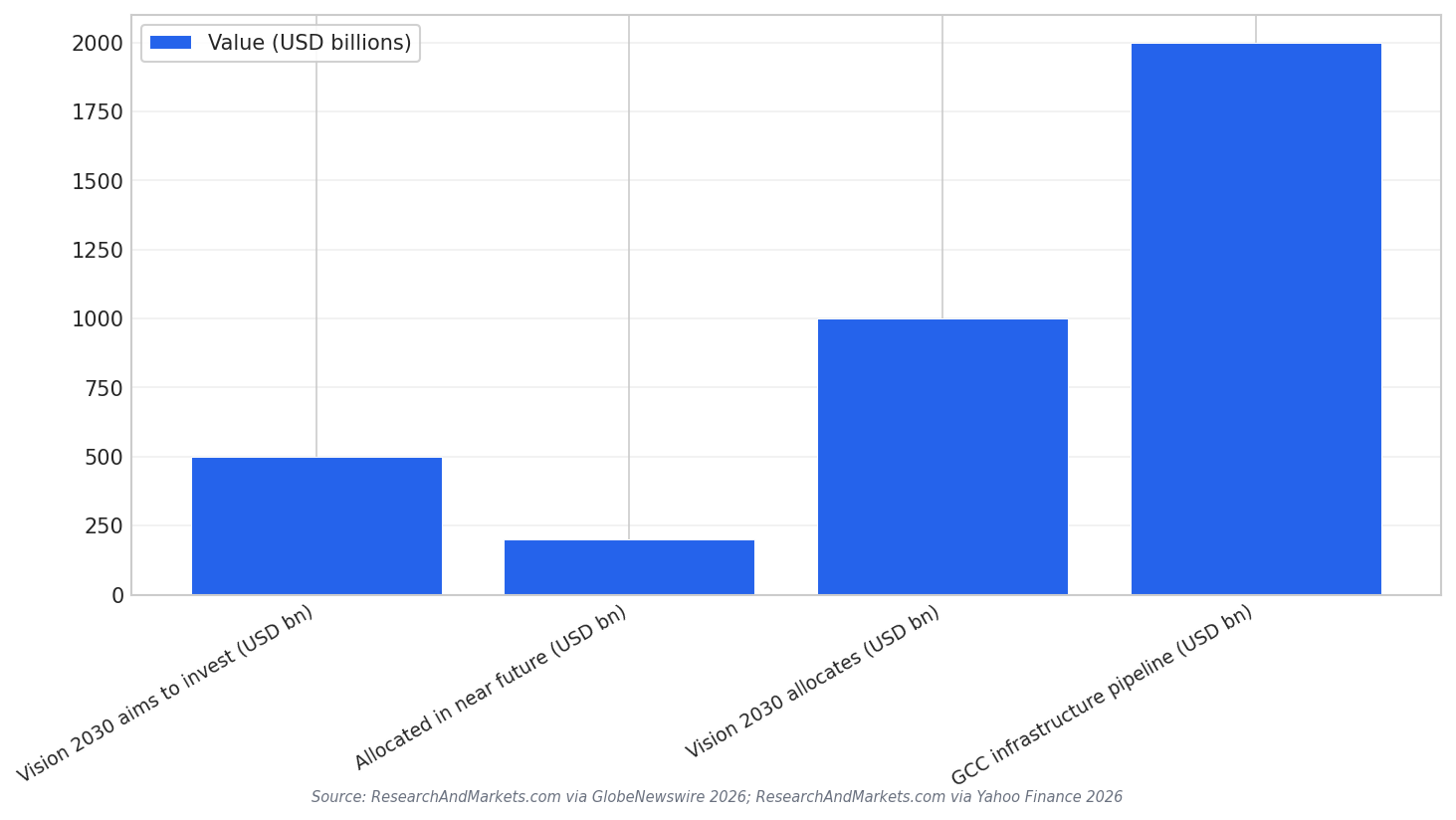
These values come from different reports, so treat them as separate signals, not one shared budget. Still, they show why equipment choices matter. The Saudi earthmoving equipment market is valued at USD 1.5 billion. Demand is linked to infrastructure expansion, urbanization, and rising construction investment, with excavators and loaders highlighted as key equipment types.
A Practical Adoption Path for Battery Machines
Start where the pressure is highest. Saudi Arabia implemented a regulation mandating environmentally friendly earthmoving equipment in all public construction projects. This pushes contractors to test and then scale cleaner excavators and loaders on public sites. It also pushes manufacturers to innovate and adapt to greener technologies.
Use rentals to reduce risk. In the Middle East and Africa, contractors are moving from ownership to rental agreements due to a notable rise in equipment prices. The same report says Saudi Arabia’s rental sector is experiencing double-digit CAGR, helping cash flow and giving access to advanced electric excavators. Renting supports pilots in Riyadh, Jeddah, and Dammam before committing to large fleet changes.
Plan around real limits, not hype. Diesel-powered fleets still dominate because of reliable performance, even as hybrid and electric machinery adoption rises. Contractors can pair electrification with digital fleet optimization and telematics, which are noted as trends for fleet management and optimization. For cranes, the regional report points to NEOM and says this requires the region’s first tower-crane manufacturing facility by Wolffkran and Zamil Group. That supports local capability as lifting needs grow.
What is pushing electric construction equipment Saudi Arabia adoption?
Which Saudi cities are most important for electrifying construction sites?
How can contractors lower the risk of switching to battery-powered machines?
Are diesel fleets disappearing in the region?
Talk to us for your needs in:
-
Sustainable Construction Solutions
-
Strategic Construction Planning
-
Customer-Centric Construction Services
-
Operational Excellence in Construction
-
Leadership and Change Management for Construction
-
Digital Transformation in Construction
-
Saudi Construction Market Research
-
In-Depth Market Study for Construction
-
Market Intelligence and Insights in Construction
-
Feasibility Study and Assessment in Construction
-
Saudi Construction Benchmarking