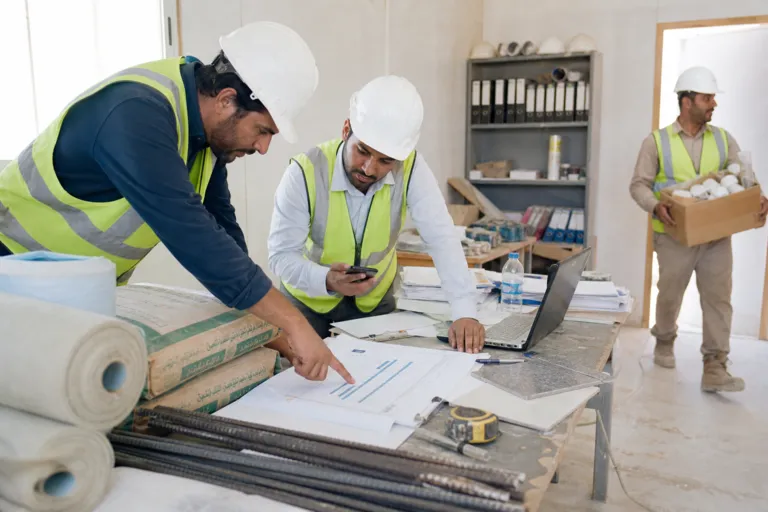
Tender competition in Saudi Arabia is intense. In construction, buyers want suppliers who can deliver on time, control cost swings, and reduce risk. This is where Saudi Made construction materials can help, because localization is described as a national priority under Vision 2030. When you link your supply chain to local manufacturing, you can present a stronger tender offer and a safer delivery plan.
Saudi Arabia is described as entering a new industrial era, backed by strong infrastructure, massive investment, and national programs pushing manufacturers to localize. Construction materials and advanced metals are included in the National Industrial Strategy’s focus sectors. For tender teams, this matters because it signals that local production and local supply chains are aligned with the direction of the market.
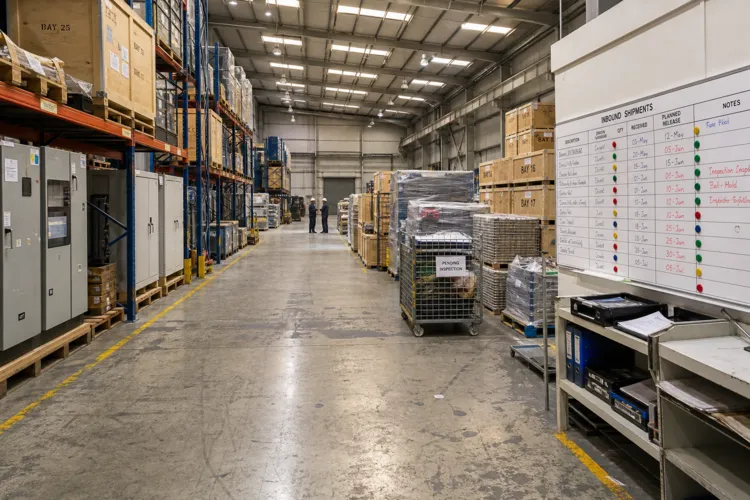
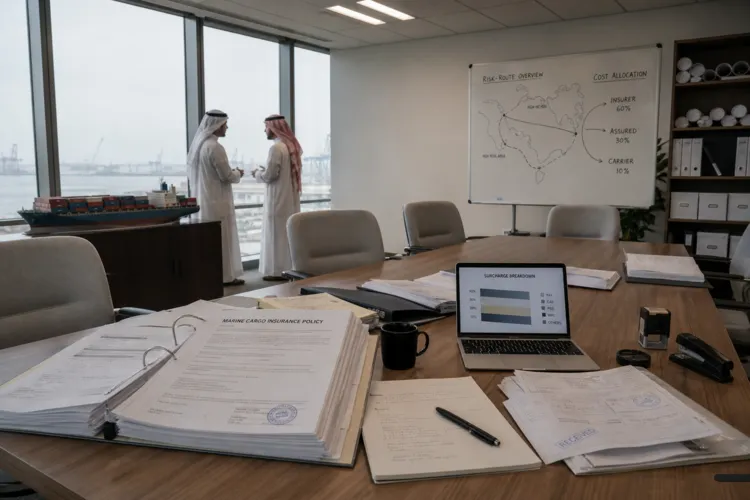
Supply chain risk is not a theory in Saudi construction. A Scientific Reports study notes that the construction industry faces risks due to complex operations, many stakeholders, reliance on imported materials, and fluctuating material costs. It also explains that delays in critical materials can cascade through a project and impact scheduling, labor allocation, and financial stability. If your bid can show less reliance on imports, you can frame your offer as lower risk.
How to Turn Localization Into a Tender-Winning Story
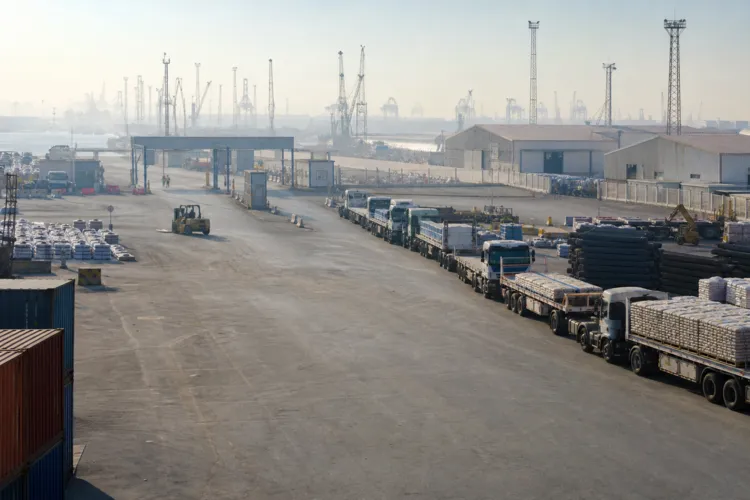
Start by mapping where Saudi Made construction materials reduce exposure. The same study highlights the global nature of supply chains and mentions risks like currency fluctuations, international regulations, and logistics challenges. A localized sourcing plan can reduce these cross-border risks. In your tender response, use simple language that connects local sourcing to fewer delivery delays and fewer external disruptions.
Next, show that you understand what Saudi manufacturing can unlock. The Saudi Gate notes that manufacturers in Saudi Arabia gain strategic access to more than 1.5 billion consumers across neighboring regions. It also notes access to the Kingdom’s fast-growing population of 30 million, alongside regions like GCC countries, the Middle East and North Africa, East Africa, Central Asia, and parts of Europe and South Asia. For tenders, this supports a credible message: local capacity can scale, and distribution can be faster because proximity reduces logistics costs and strengthens distribution speed.
Finally, link your supply plan to the incentives that make local delivery more practical. The Saudi Gate lists incentives such as industrial land at competitive rates, long-term financing through SIDF, customs duties exemptions on equipment, reduced duties for raw materials, support for workforce training, tax and investment incentives, and support for technology transfer and R&D. You do not need to quote numbers. Instead, explain that these programs help stabilize supply, improve compliance, and support capacity growth, which are all concerns in large construction tenders.
To find opportunities, use official and aggregator tender channels. Etimad provides access to browsing available tenders. Portals like TendersOnTime and Tender Impulse also publish construction tenders, RFPs, bids, and e-procurement notices. Use alerts to track new requests, then position your offer around risk reduction: reliable local availability, clearer lead times, and a supply chain designed for Saudi mega projects.
Why do Saudi Made construction materials matter in tender bids?
What supply chain risks should I address in Saudi construction tenders?
Where can suppliers browse construction tenders in Saudi Arabia?
Which government incentives can support localized manufacturing for tenders?
Talk to us for your needs in:
-
Sustainable Construction Solutions
-
Strategic Construction Planning
-
Customer-Centric Construction Services
-
Operational Excellence in Construction
-
Leadership and Change Management for Construction
-
Digital Transformation in Construction
-
Saudi Construction Market Research
-
In-Depth Market Study for Construction
-
Market Intelligence and Insights in Construction
-
Feasibility Study and Assessment in Construction
-
Saudi Construction Benchmarking