Saudi Building Code 2026 updates point to a stricter and more connected way of designing, building, and approving projects in the Kingdom. Several sources describe a clear direction: higher safety expectations, stronger sustainability requirements, and more structured compliance through permitting and inspections. For project teams, this is not only a technical update. It is also a legal and documentation shift that changes how risk is managed from concept to handover.
The Saudi Building Code (SBC) is a unified framework that combines structural, mechanical, electrical, fire safety, and sustainability provisions into one system. It is legally mandated under Saudi law, not a guideline. Multiple sources warn that noncompliance can trigger project stoppages, fines, stop-work orders, and legal liability. In severe cases tied to public safety, one source notes even criminal liability risk.
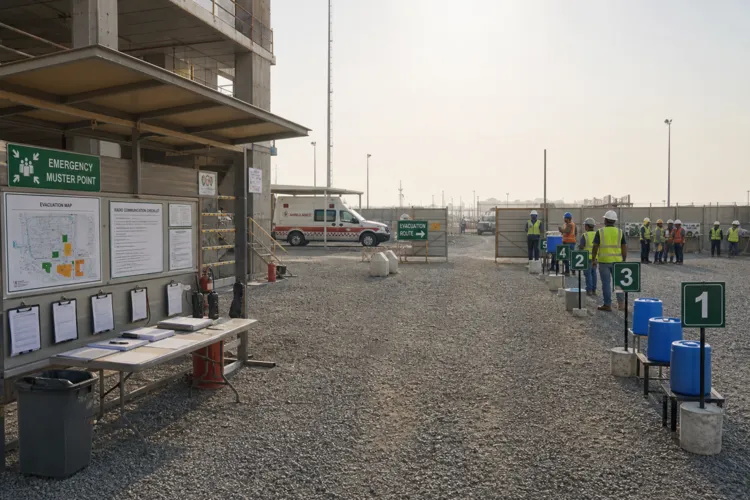
Designers should expect stricter structural and fire safety measures, including tighter material requirements, advanced fire suppression systems, and updated evacuation protocols. The SBC also emphasizes fire provisions such as evacuation routes, smoke management, and safe exit sizing. Structural parts of the code (SBC 301–306) address seismic, wind, soil, and load design considerations, which supports building resistance to natural forces.
What Changes Most for MEP Engineers and Contractors
For MEP engineers, the updates reinforce that mechanical, electrical, and plumbing systems are regulated areas, not secondary items. One source highlights SBC 401/501 for MEP installations, and SBC 801 for fire protection measures. Another source warns that even “small” changes can create compliance issues, such as changed MEP layouts, blocked exits, or altered partitions. If you change structure, exits, fire safety, or MEP systems, you must follow the required approval route.
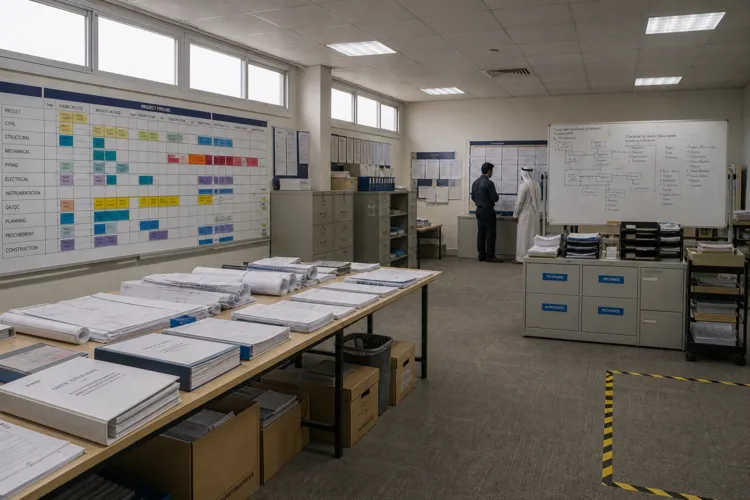
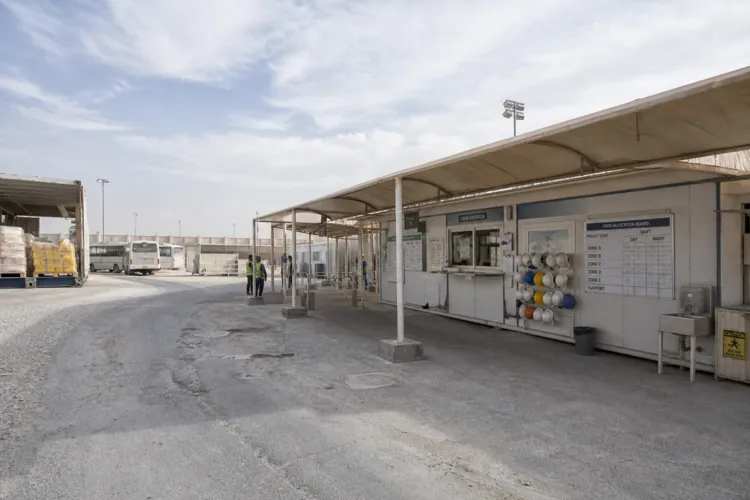
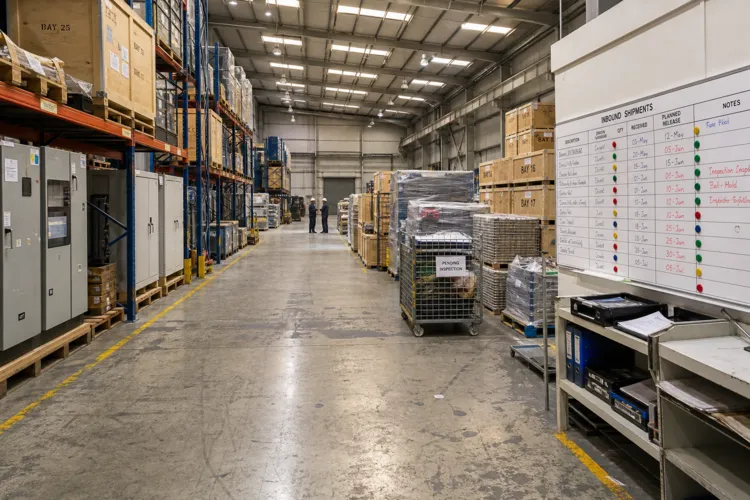
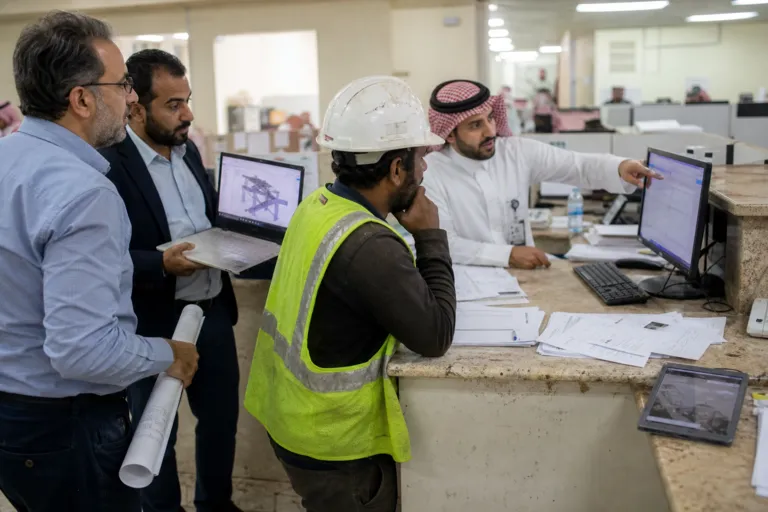
Contractors face tighter accountability because the code now integrates digital permitting and inspection systems. This can streamline approvals, but it also tightens tracking and responsibility. Authorities inspect projects during construction and/or before handover to confirm compliance alignment. That means site teams must keep documentation clean, control variations, and coordinate with designers when changes affect safety, exits, fire systems, or MEP.
Sustainability is also more central. Sources describe requirements tied to energy efficiency, water conservation, and environmentally friendly construction practices. The SBC includes energy and green building provisions such as SBC 601, 602, and SBC 1001, including items like minimal envelope performance, efficient HVAC systems, and water reuse. Practically, teams should bring sustainability targets into early design decisions, not late value engineering.
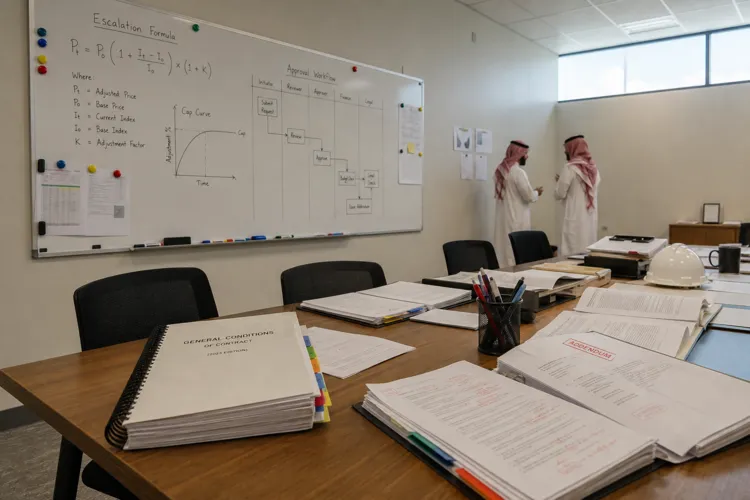
The legal impact is where many teams get surprised. One source advises developers to revisit contracts with contractors, architects, and suppliers to allocate liability for noncompliance clearly. Another gives an example of a claim for design changes being rejected due to unclear variation clauses in a FIDIC-based contract, showing why documentation matters. With stricter enforcement and digital processes, proactive compliance reviews, training, and contract clarity become part of project delivery, not admin work.
Are Saudi Building Code 2026 updates optional guidance or mandatory rules?
What areas are most affected for MEP teams under the SBC?
Do small site changes really create compliance risk?
How do digital permitting and inspections change contractor responsibilities?
What should project teams do first to reduce legal and delivery risk?
Talk to us for your needs in:
-
Sustainable Construction Solutions
-
Strategic Construction Planning
-
Customer-Centric Construction Services
-
Operational Excellence in Construction
-
Leadership and Change Management for Construction
-
Digital Transformation in Construction
-
Saudi Construction Market Research
-
In-Depth Market Study for Construction
-
Market Intelligence and Insights in Construction
-
Feasibility Study and Assessment in Construction
-
Saudi Construction Benchmarking