PPP infrastructure Saudi Arabia is moving into a more selective and risk-focused phase in 2026. The government is still using PPPs to finance, build, and operate key assets linked to Saudi Vision 2030 and economic diversification. This matters because public spending remains large, but investors are also watching cost pressures and regulatory complexity. In this setting, clear deal structures and risk allocation can decide whether a project is bankable.
On the public side, the 2026 state budget sets total expenditures at SAR 1.313 trillion (US$346.58 billion) and projected revenues at SAR 1.147 trillion (around USD 306 billion). Within this, SAR 162 billion (US$43 billion) is allocated to capital expenditure. Capital spending is directed toward transport systems, utilities, urban development, and large-scale national projects, including airport expansions, rail networks, and integrated transit systems.
Pipeline signals are strong, but they vary by source and scope. One view says Saudi Arabia’s PPP framework, led by the National Centre for Privatisation, encompasses a pipeline of over 175 projects. Another view says the Saudi pipeline nears 300. At the wider regional level, planned infrastructure and industrial projects across the GCC exceed $2.5 trillion, with PPPs playing a central role in structuring and financing them.
Risk Allocation and Deal Structures: What Changes in 2026
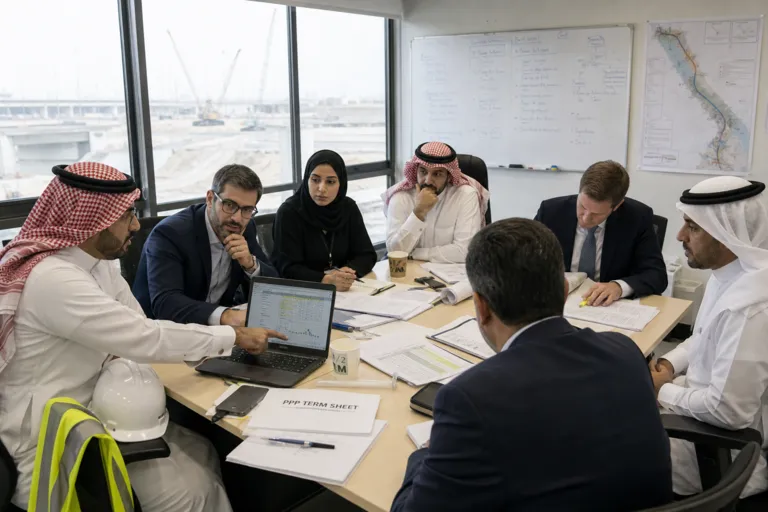
Risk allocation is a core reason PPPs are expanding. Saudi PPPs have a legal basis in the Private Sector Participation Law, which institutionalized procurement processes and established principles of risk allocation. Oversight is coordinated through the National Center of Privatization, covering project pipelines, tender procedures, and participation structures. The framework includes transparency in bidding, a dispute resolution process, and concession forms, which helps investor confidence.
Well-structured PPPs also depend on contract discipline. In water, a key message is that clear risk allocation and performance-based contracts can reduce lifecycle costs, accelerate delivery, and ensure accountability after construction ends. Through the Saudi Water Partnership Co., Saudi Arabia has built a transparent PPP framework that continues to expand rapidly. In these structures, the government defines strategy and ensures equity and environmental protection, while the private sector brings expertise, financing, and technology.
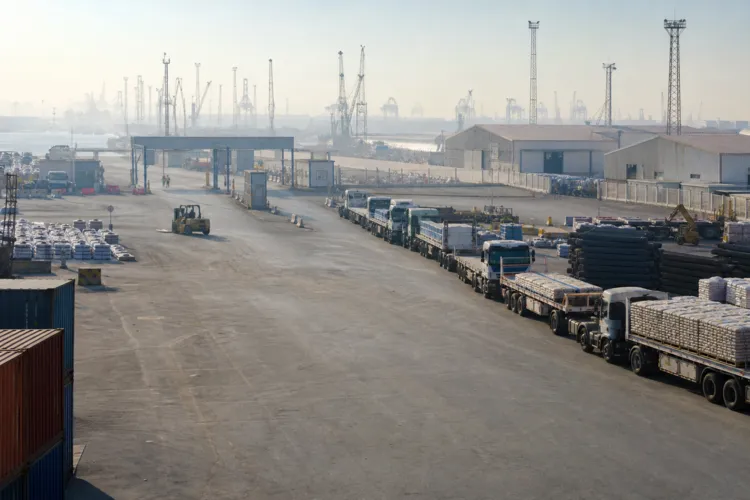
Sector choice shapes how deals are structured. Water and energy remain developed PPP areas, including Independent Water Producer and Independent Power Producer models that appeal to investors seeking stable returns. Transport PPP activity is also growing, including airports and logistics corridors to diversify trade. Healthcare PPPs are increasing as hospitals and special care facilities are modernised and operated with private management. Education infrastructure and social housing are described as developing segments with long-term concession opportunities.
Investors also need to read the financing climate. By 2025, the total value of construction contracts awarded fell to below US$30 billion, a decline of nearly 60 percent from the US$71 billion recorded in 2024. Over the same period, PIF’s share of those awards dropped from around 38 percent to just 14 percent. This points to more selective capital allocation, which can raise the importance of PPP structures that are clear, standardized, and designed to reduce execution risk.
What does PPP infrastructure Saudi Arabia mean in practice for investors in 2026?
How big is the PPP pipeline in Saudi Arabia?
Which sectors are most active for PPP deals in Saudi Arabia?
What contract features reduce risk in Saudi PPPs?
Talk to us for your needs in:
-
Sustainable Construction Solutions
-
Strategic Construction Planning
-
Customer-Centric Construction Services
-
Operational Excellence in Construction
-
Leadership and Change Management for Construction
-
Digital Transformation in Construction
-
Saudi Construction Market Research
-
In-Depth Market Study for Construction
-
Market Intelligence and Insights in Construction
-
Feasibility Study and Assessment in Construction
-
Saudi Construction Benchmarking