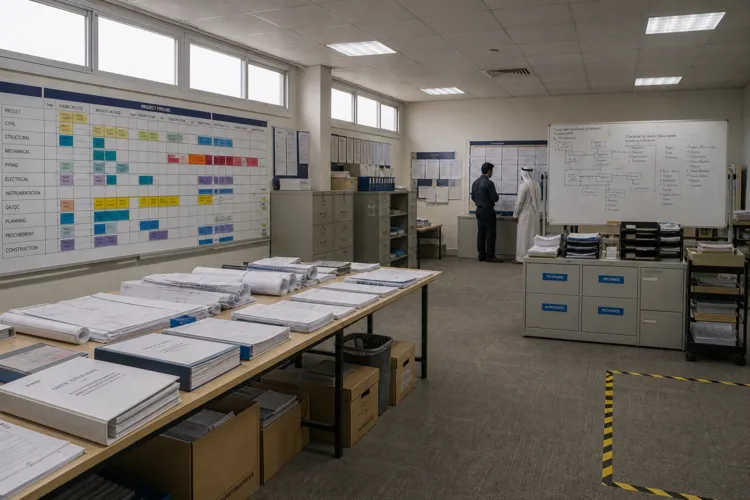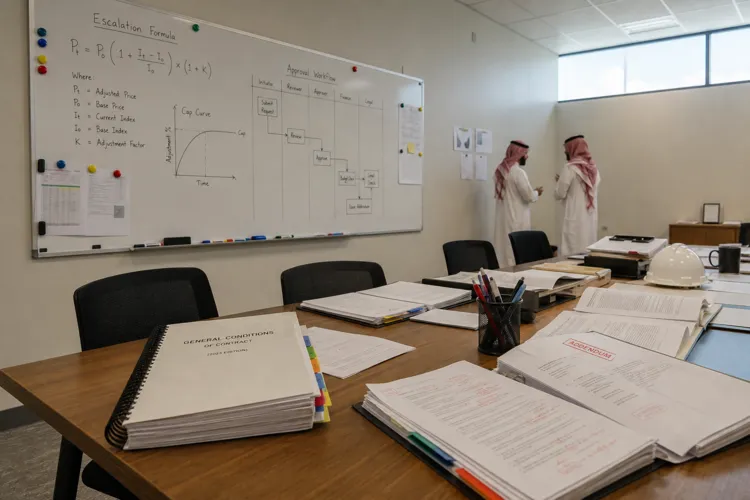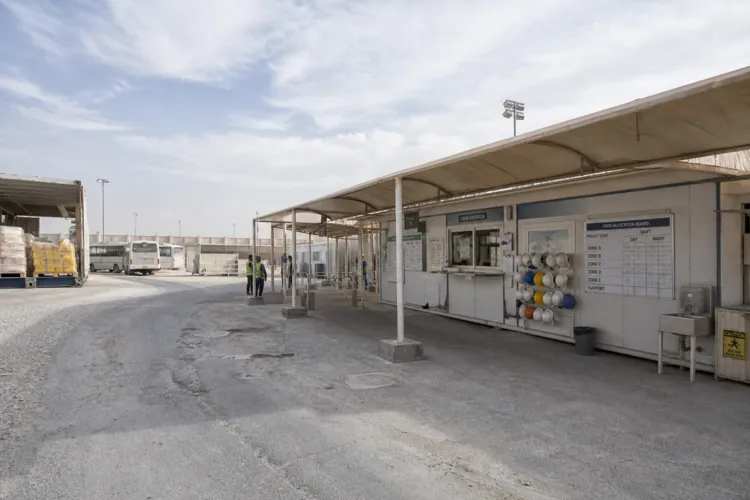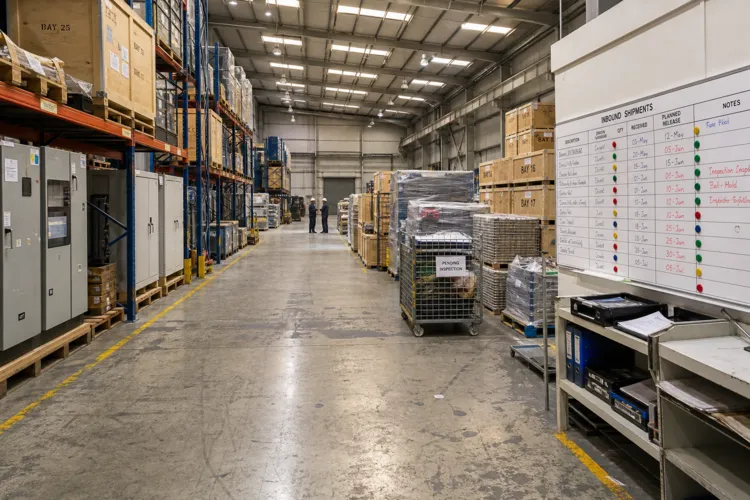
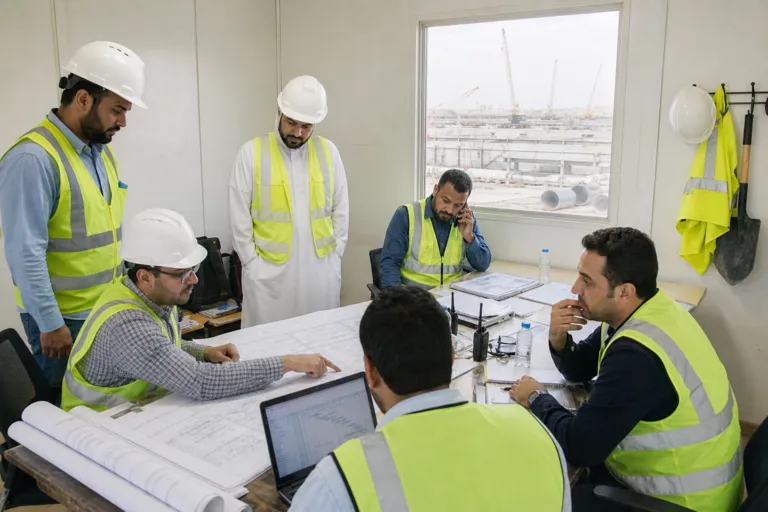
In the GCC, the question is shifting from who can build to who is positioned to deliver when the client is unmistakably the state. Evidence described for 2020 to 2026 shows a layered transformation in PPP delivery. The competitive procurement framework built in the GCC’s PPP era, roughly 1995 to 2020, is not being dismantled. It is being repopulated. The equity side is increasingly sovereign-aligned. The construction side is increasingly anchored by Chinese state contractors. Government entities retain regulatory and strategic authority throughout, even as the PPP label persists.
For civil contractors chasing a water and wastewater construction pipeline, this repopulation changes bid strategy and partnering logic. The contracted operator, EPC contractor, and technology provider roles remain commercially viable, but they require a reset in how private water companies structure pipelines and measure success. The developer profile is also changing. ACWA Power, which won or was named preferred bidder for roughly two-thirds of all GCC independent water projects in 2024, is approximately 44% owned by Saudi Arabia’s Public Investment Fund. The point is not branding. It is counterparty reality, and how risk, governance, and delivery priorities get set.
What SWPC-Style Tendering Signals for Civil Contracting
When sovereign-aligned vehicles win long-tenor contracts from state-backed offtakers regulated by state authorities, contractors need to assume tighter linkage between procurement, regulation, and delivery oversight. The Smart Water Magazine analysis describes government entities retaining regulatory and strategic authority throughout, even while private participation continues under a PPP label. That shifts where value is created in civil packages. Delivery confidence, interface management, and compliance readiness become central. In parallel, procurement frameworks elsewhere show how public buyers structure multi-year delivery stability. In England and Wales, more than £100bn is earmarked to revamp infrastructure over the next five years, alongside growing appetite for owner-controlled insurance programmes that aim to protect capital investment and delivery timescales.
Water and wastewater constraints also show what happens when upgrades lag behind demand. In Northern Ireland, NI Water estimated that more than 50,000 properties wanted to connect to the wastewater system by the end of last year, while almost 20,000 were unable to due to a lack of upgrades and environmental pollution risk. The funding debate is active, with NI Water receiving a government subsidy of more than £300m every year because households do not pay directly for water. For contractors, these constraints translate into politically visible bottlenecks, a stronger compliance backdrop, and delivery programmes that can be paused, as PC21’s flagship Living With Water project in Belfast was paused indefinitely due to funding issues.
For water treatment plant construction Saudi Arabia, the practical takeaway is to build bids around a state-centered delivery environment that still uses competitive PPP procurement mechanics. The 2020s developer landscape described in the GCC includes sovereign ownership positions such as ACWA’s approximately 44% PIF stake. It also highlights that roles like EPC and technology provision remain real and commercially viable, but require a reset in how pipelines are defined in markets where the state is the client. Separately, broader market commentary on water infrastructure notes rising risks in timing, delivery, and ultimately construction costs, with competition for skills and materials and exposure to global supply chain impacts.
What is changing in GCC water PPPs from 2020 to 2026?
Why does sovereign-aligned equity matter for civil contractors?
How does this relate to water treatment plant construction Saudi Arabia?
What does Northern Ireland’s wastewater backlog illustrate for pipeline planning?
What procurement and delivery tools are being discussed in other water markets?
Talk to us for your needs in:
-
Sustainable Construction Solutions
-
Strategic Construction Planning
-
Customer-Centric Construction Services
-
Operational Excellence in Construction
-
Leadership and Change Management for Construction
-
Digital Transformation in Construction
-
Saudi Construction Market Research
-
In-Depth Market Study for Construction
-
Market Intelligence and Insights in Construction
-
Feasibility Study and Assessment in Construction
-
Saudi Construction Benchmarking