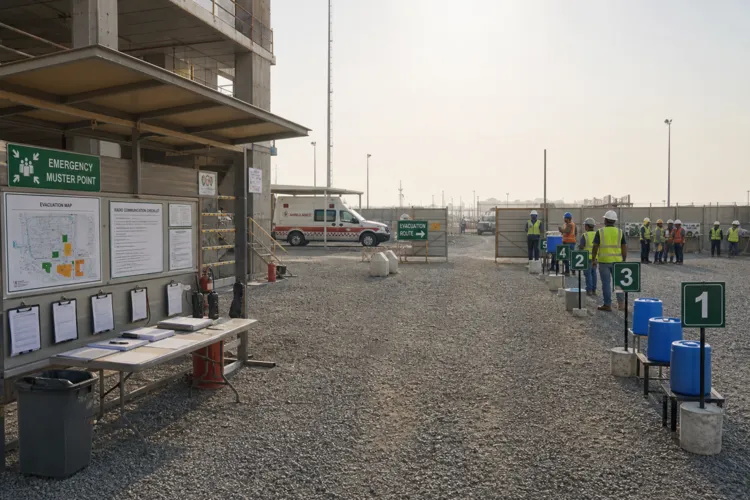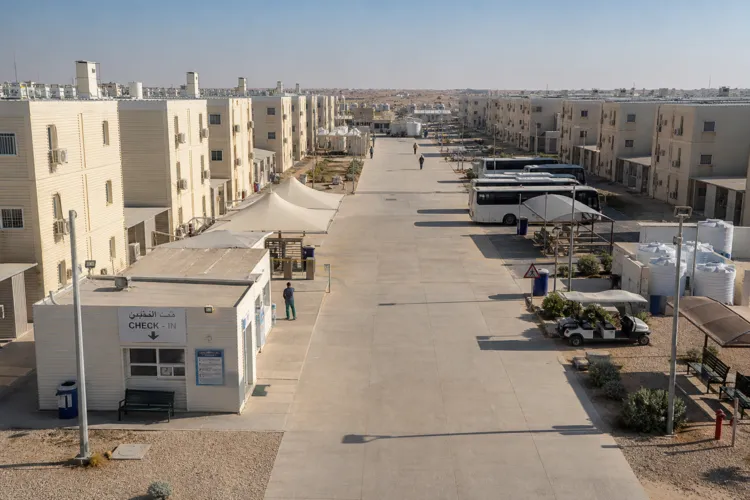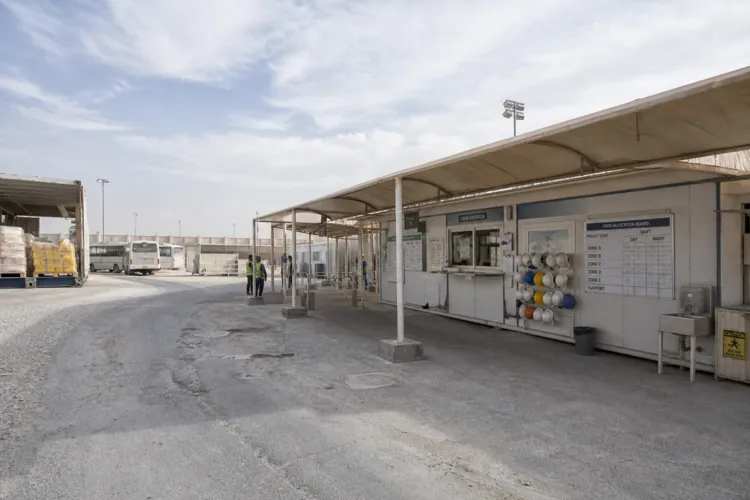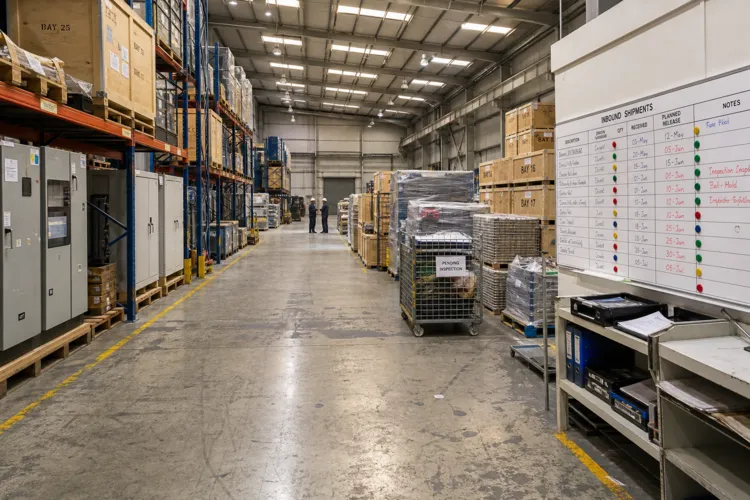

Saudi Vision 2030 is reshaping the country through extensive initiatives, remarkable projects, and ambitious programs aimed at improving key sectors across the country. This creates large and complex delivery needs. In this environment, the foreign contractor joint venture Saudi Arabia model is a practical way for international and local firms to combine strengths and meet client expectations on megaprojects.
One reason joint ventures matter is pace and coordination. A Construction Briefing report says Vision 2030 has created a more agile and well-coordinated government ecosystem, where entities work together seamlessly and processes move faster and more efficiently than ever before. The same report quotes Mr Mohammed Alajlan saying construction is an executive arm for delivering Vision 2030 projects, and it is changing the landscape of doing business in Saudi Arabia.
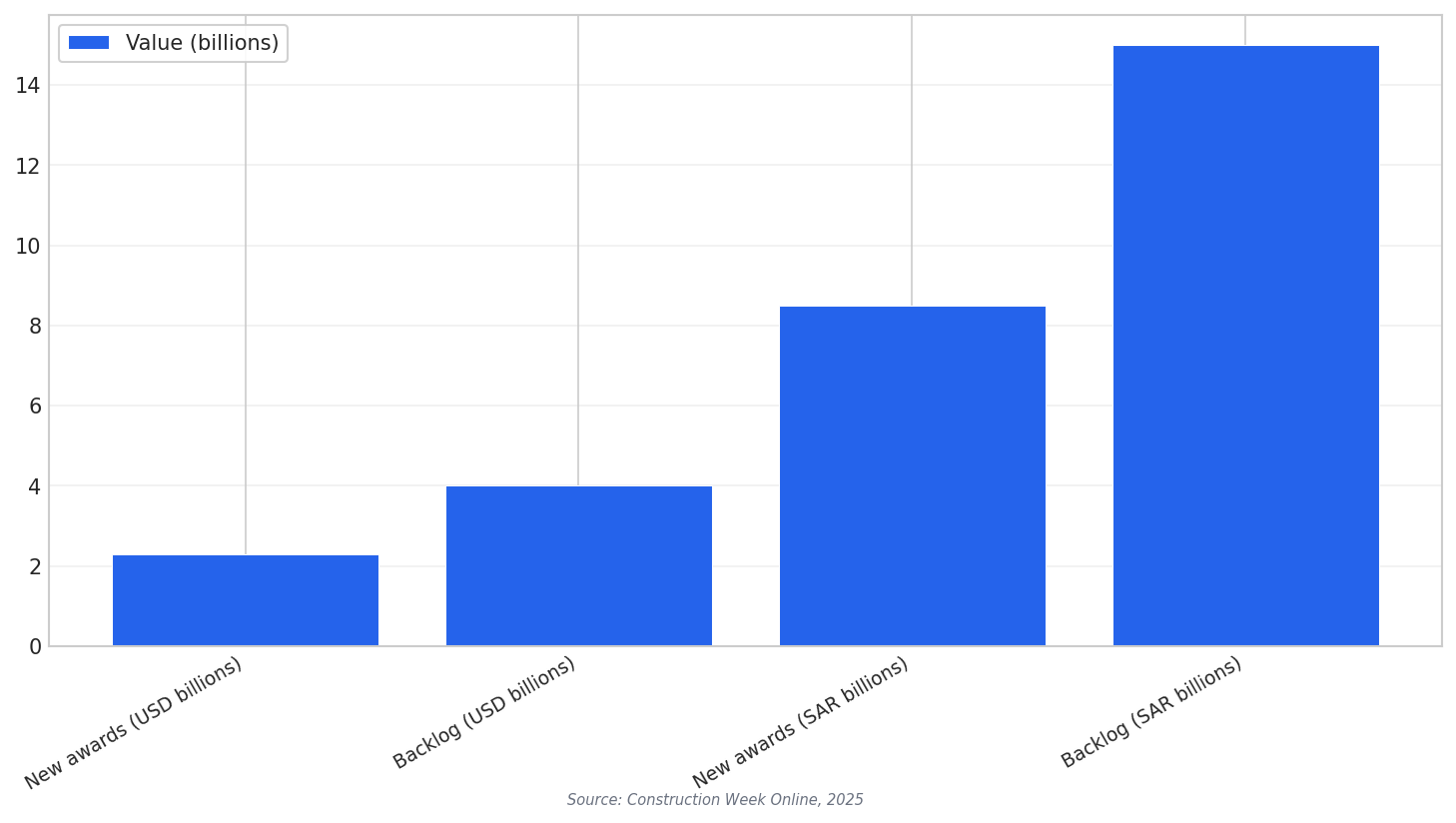
Local execution track records also shape how foreign firms structure JVs. Construction Week reports that Almabani won 14 new project awards valued at $2.3 billion (SAR8.5 billion) in the past 12 months and has a construction backlog of approximately $4 billion (SAR15 billion). The article adds that its ability to form strategic joint ventures has been instrumental. For foreign contractors, partnering with firms that already show this type of award flow and backlog scale can strengthen bid credibility.
How JVs Are Being Structured to Reduce Friction
Megaproject delivery often involves many moving parts. AlGhazzawi & Partners notes that giga-projects often involve complex layers of contracts, joint ventures, regulatory approvals, and land-use agreements. This reality affects JV structuring. Foreign contractors tend to define clear roles for design, procurement, and site delivery so the JV can operate through these layers without slowing down decision-making.
Dispute planning is another key JV design choice. AlGhazzawi & Partners states that SCCA arbitration is commonly chosen in giga-project contracts, especially those involving joint ventures or international contractors. The same source says Saudi Arabia is a signatory to the New York Convention (1958), enabling enforcement of foreign arbitral awards within the Kingdom. For foreign partners, this supports a JV approach where dispute clauses are treated as part of “bankability” and risk control, not an afterthought.
Company setup flexibility also supports JV planning. AlGhazzawi & Partners highlights simplified incorporation procedures for foreign and local investors and more flexible company structures, including Simplified Joint Stock Companies and management structures. That matters because the JV vehicle and governance need to match the work program. The same source also notes ESG ratings and audits may be required for access to global capital markets or joint ventures with ESG-focused funds, so some JVs build these requirements into reporting and controls from day one.
Why is the foreign contractor joint venture Saudi Arabia model common on Vision 2030 work?
What contract feature is commonly used in giga-project JVs?
What legal framework helps with enforcement of foreign arbitral awards in Saudi Arabia?
What JV-related performance signals do local partners sometimes bring to bids?
Talk to us for your needs in:
-
Sustainable Construction Solutions
-
Strategic Construction Planning
-
Customer-Centric Construction Services
-
Operational Excellence in Construction
-
Leadership and Change Management for Construction
-
Digital Transformation in Construction
-
Saudi Construction Market Research
-
In-Depth Market Study for Construction
-
Market Intelligence and Insights in Construction
-
Feasibility Study and Assessment in Construction
-
Saudi Construction Benchmarking