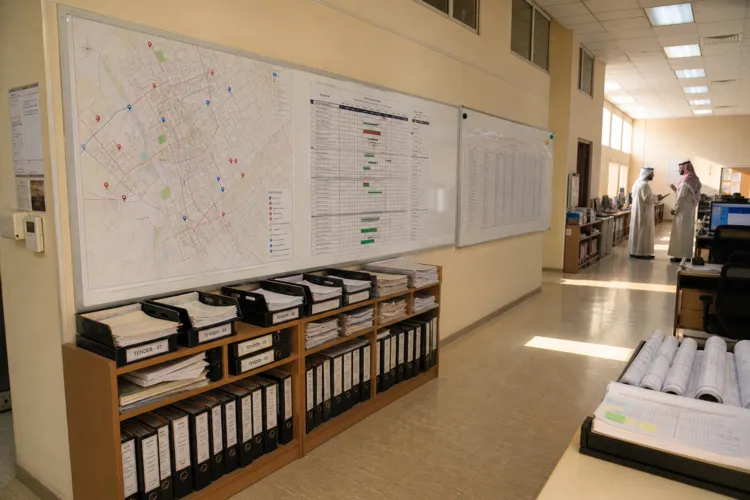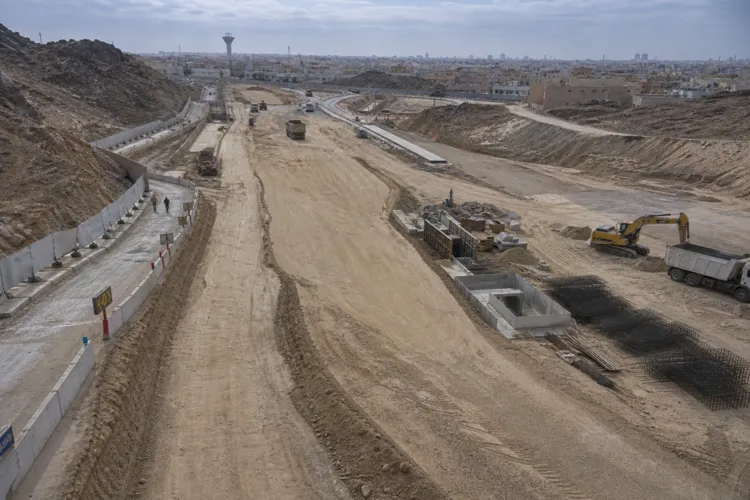
The 2026 Strait of Hormuz disruption has turned “inland by necessity” into a planning principle for Saudi supply chains. Maritime shipping carries over 80% of global merchandise trade, and chokepoints can quickly reshape how food and industrial inputs move when risks rise. For the Persian Gulf Basin, the Strait is described as a critical maritime food-import corridor, not only an energy route. The same research notes GCC grain buffer stocks—including in Saudi Arabia—helped reduce immediate food-price shock signals, but it did not remove the logistics problem. When flows are rerouted, the bottlenecks often migrate from sea lanes to yards, gates, customs desks, and truck capacity.
In Saudi Arabia, that migration is visible on the west coast. AGBI reported that Jeddah Islamic Port accounted for 47% of the kingdom’s merchandise imports, up from 22% a year earlier, highlighting how cargo flows shifted toward the Red Sea as shipping through Hormuz remained disrupted. The value of goods entering Saudi Arabia through Jeddah Islamic Port rose 94% year on year in August to SAR33.5 billion ($8.9 billion), according to the General Authority for Statistics. The same report notes that, with no freight rail link between Jeddah and Riyadh, the surge threatens to add strain to supply chains already under pressure. When port throughput rises faster than inland evacuation and clearance, the logic of expanding inland customs yards becomes difficult to ignore.
Why Inland Clearance Becomes the New Resilience Layer
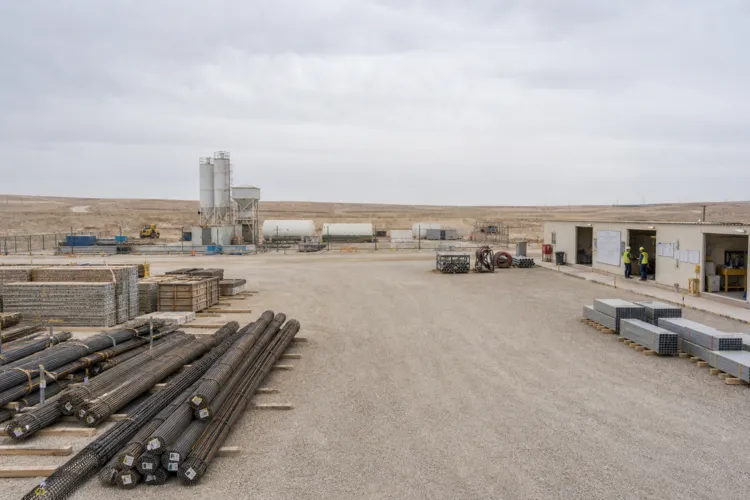
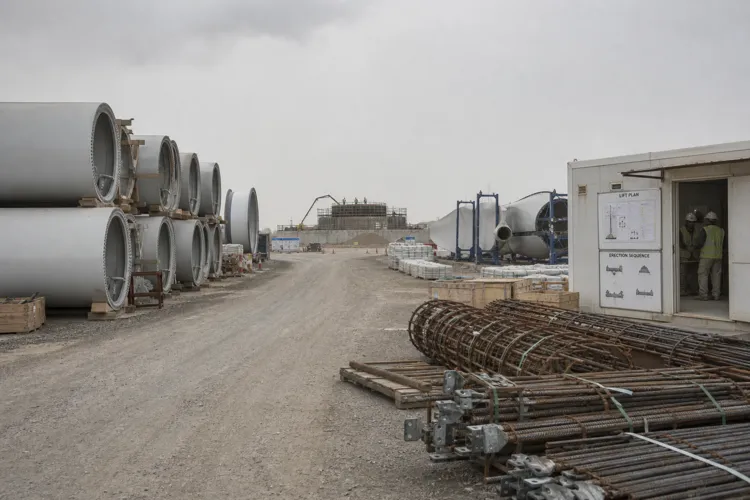
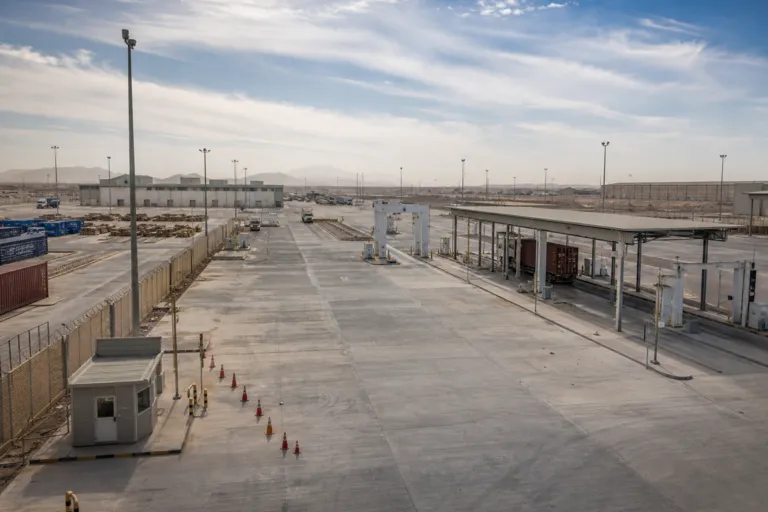
As cargo is redirected, substitution routes can raise costs, time, and operational complexity, and they can be constrained by capacity. A Saudi-focused GCC trucking analysis describes road freight as the backbone of inland logistics across the Middle East during maritime disruption, with containers moving under bonded-transit regimes when Hormuz, Bab al-Mandeb, the Red Sea, the Suez Canal, or the Eastern Mediterranean face threats. But it also flags new bottlenecks in trucking capacity, customs processing, and cross-border logistics. This is where dry port construction in Saudi Arabia logistics planning becomes a practical response: moving inspections, documentation, and bonded handling inland can relieve quay congestion and make emergency trucking corridors function with fewer stoppages.
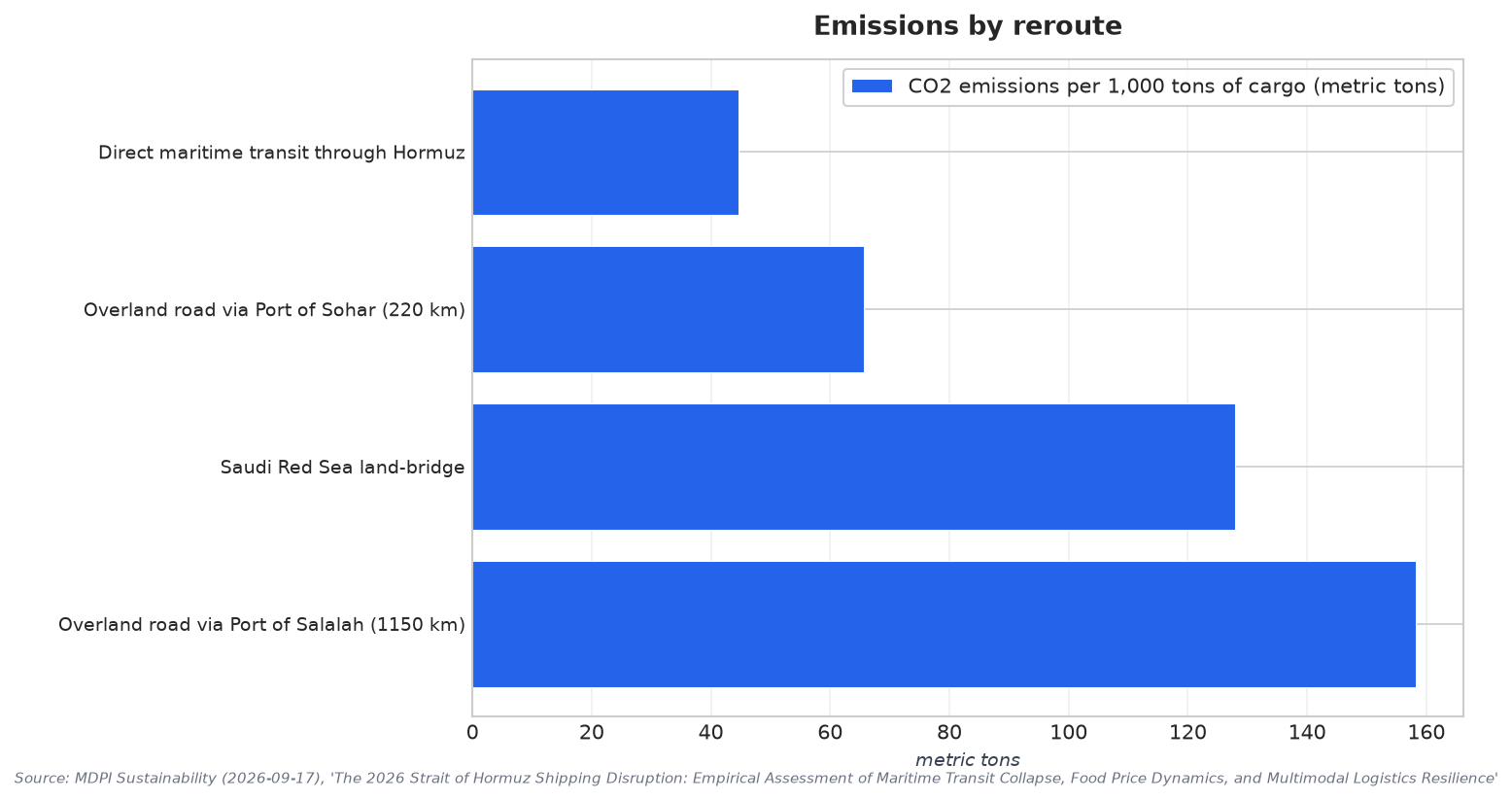
Alternative multimodal choices also carry different emissions profiles, which can influence corridor design and where yards are placed. An empirical assessment found direct maritime transit through Hormuz has the lowest carbon intensity at 3.99 g CO2/t-km. It estimated that overland road substitution via Salalah with 1150 km drayage generates 158.3 metric tons of CO2 per 1000 tons of cargo (a 3.54-fold increase). Routing via Sohar with 220 km road transit results in 65.6 metric tons of CO2 (a 1.47-fold increase), while the Saudi Red Sea land-bridge generates 128.0 metric tons of CO2 (a 2.86-fold increase). As Saudi flows tilt to road-heavy solutions, logistics operators have stronger incentives to streamline dwell time and consolidate processes at inland nodes rather than stacking delays at port gates.
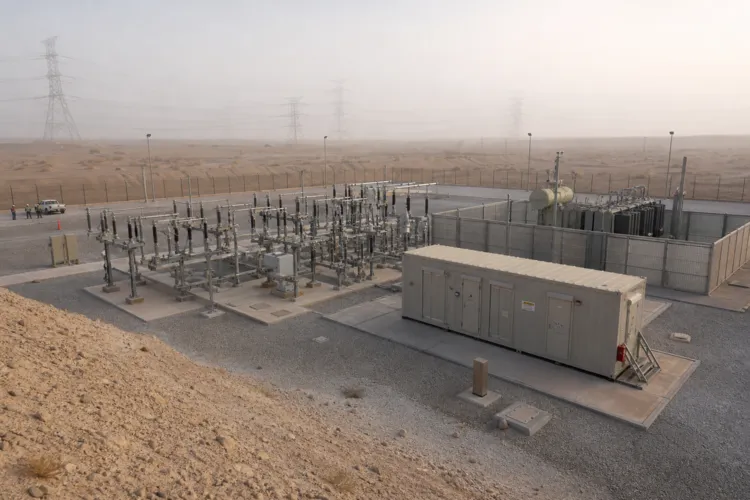
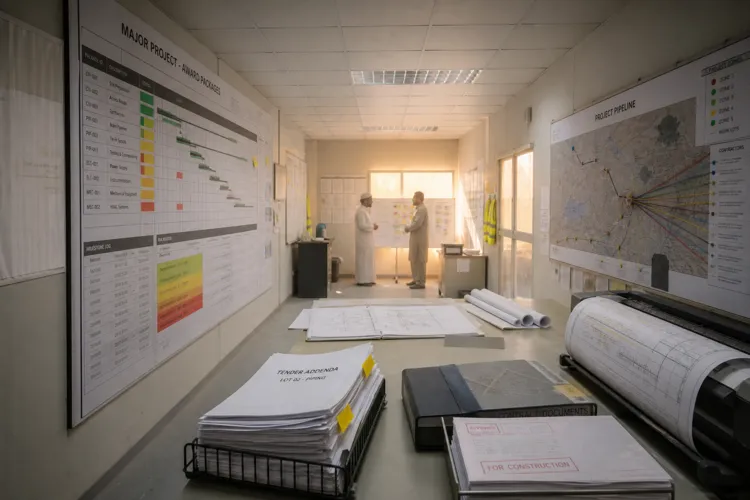
Regional commentary also suggests the infrastructure response is broadening from ports alone to pipelines, rail, and integrated corridors—and that execution capacity can become the limiting factor. IndexBox reported that Hormuz disruption is accelerating pipeline, port, and rail alternatives while making local manufacturing and execution capacity central to resilience, warning that the next bottleneck may not be capital but execution capacity. Port Strategy similarly argues that resilience depends not only on physical assets, but also on customs interoperability and route security, and notes that general cargo and Ro-Ro remain considerably more dependent on road transport serving dispersed inland destinations. For Saudi Arabia, that combination points toward more inland facilities—dry ports and customs yards—that can keep bonded cargo moving, even when coastal terminals are saturated and sea risks remain unpredictable.
What evidence shows Saudi import flows shifting to the Red Sea?
Why does the lack of a freight rail link between Jeddah and Riyadh matter?
How do overland substitutions change logistics bottlenecks?
What do the sources say about emissions differences between Hormuz transit and overland routes?
How is dry port construction and inland customs-yard growth tied to Saudi Arabia logistics resilience?
Talk to us for your needs in:
-
Sustainable Construction Solutions
-
Strategic Construction Planning
-
Customer-Centric Construction Services
-
Operational Excellence in Construction
-
Leadership and Change Management for Construction
-
Digital Transformation in Construction
-
Saudi Construction Market Research
-
In-Depth Market Study for Construction
-
Market Intelligence and Insights in Construction
-
Feasibility Study and Assessment in Construction
-
Saudi Construction Benchmarking