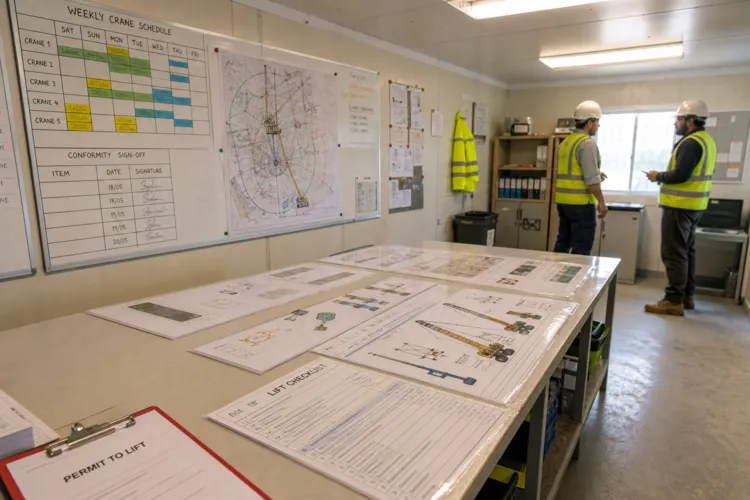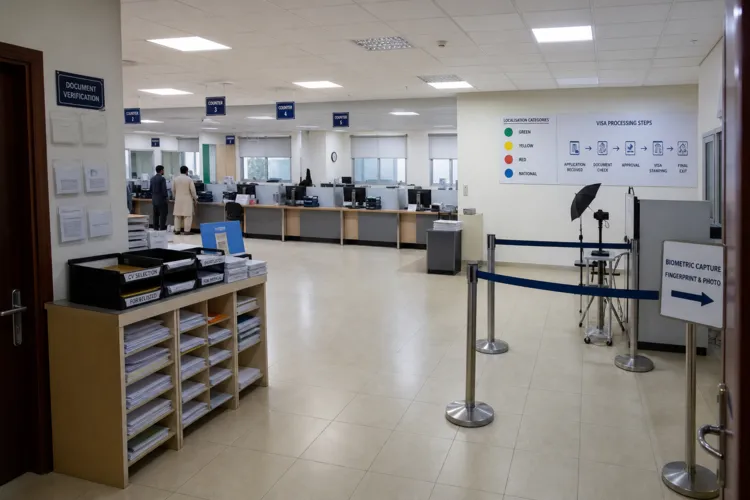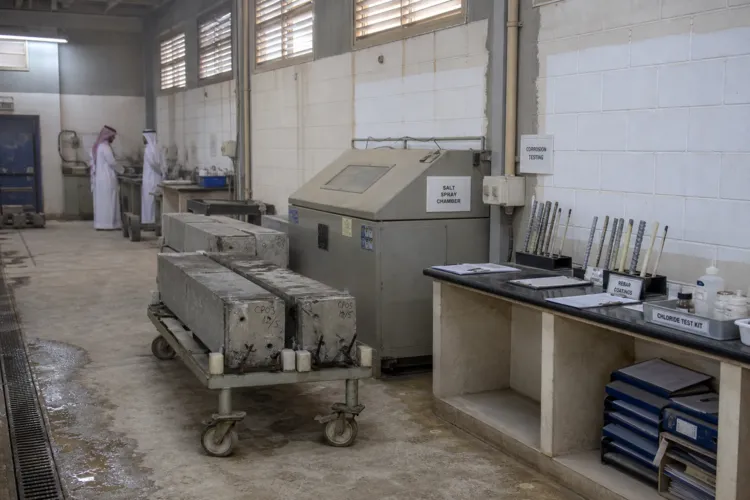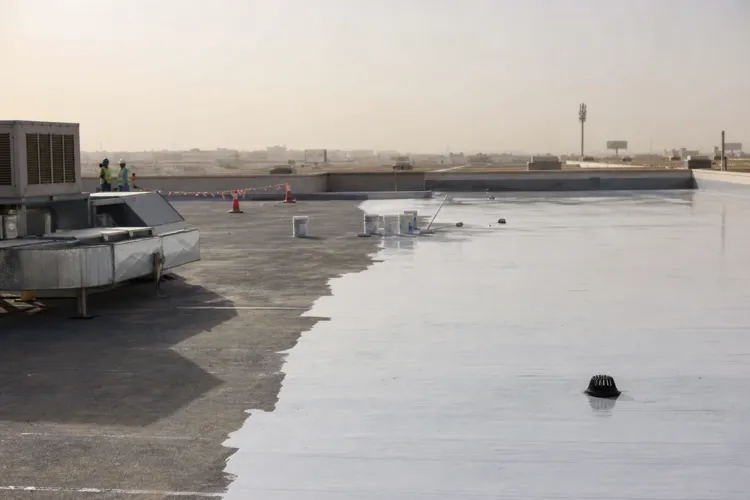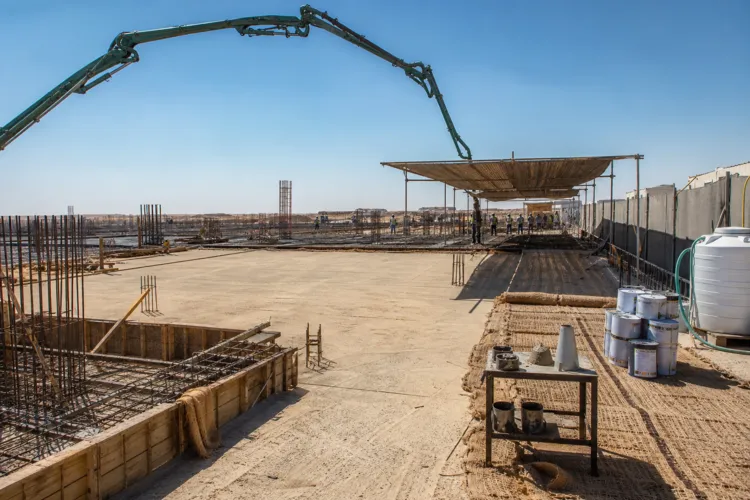
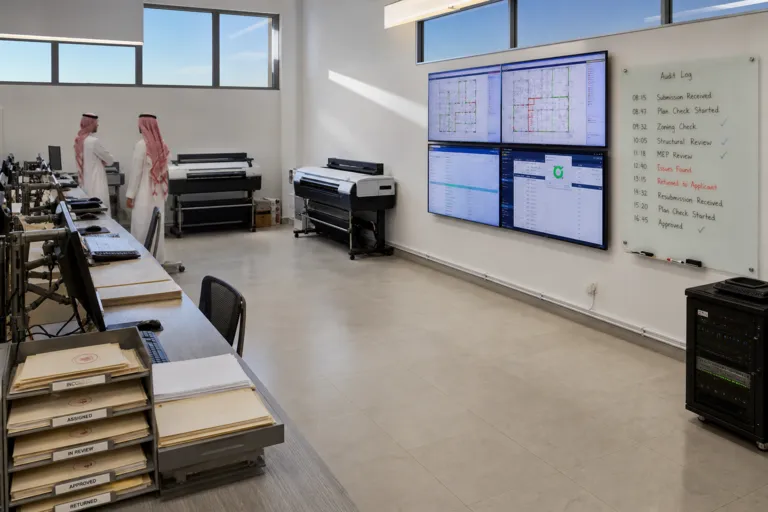
Saudi Arabia is building at a scale that makes slow, manual workflows harder to defend. MEED has cited around USD 130 billion worth of giga-project contracts already awarded, with close to USD 200 billion moving through the market pipeline. That kind of workload does not only pressure contractors and consultants. It also pressures the public-facing steps that sit upstream of construction starts, including permitting, inspection, and certification. A Saudi construction technology briefing argues that the near-term opening is not concept-stage branding. It is workflow digitization, especially where permitting remains manual outside national platforms.
This is where AI building permit plan review Saudi Arabia becomes a practical process question. If plans arrive as large, complex sets of drawings and documents, AI can be positioned to remove repetitive, low-value tasks so reviewers can redirect their time to higher-impact decisions. An Autodesk executive speaking in Riyadh described automation as the most immediate and impactful application of AI in construction workflows, precisely because it removes repetitive work. That same logic fits plan checking. It does not need to “replace” reviewers to speed permitting. It can help reviewers get to exceptions faster.
Why the Timing Works: Digital Readiness Meets Regulatory Pressure
Saudi Arabia’s end-user digital readiness supports mobile-first permitting journeys. GASTAT’s Saudi Family Statistics Report 2024 puts the median age at 23.5 years, with 71% of the population under 35. CST’s Saudi Internet Report 2024 confirms 99% internet penetration, with 99.4% of usage on mobile. It also reports that 21.5% of internet users already use some form of AI tool directly. A young, connected, mobile-first user base reduces adoption friction for digital permitting interfaces. The bigger constraints become regulatory clarity and infrastructure buildout, not whether people can use the tools.
Governance still matters, especially when AI influences approvals. A Saudi-focused construction claims analysis notes that AI tools can process large volumes of schedule and document data faster, but still require an expert to build a defensible narrative. It warns against “black box” workflows in adversarial settings and calls for traceable, explainable, reproducible steps—what it describes as a “glass house” approach. Translating that mindset to permitting suggests a design rule: every automated flag on a plan should be auditable back to the source input, so reviewers can verify why an issue was raised and how it was derived.
Finally, AI plan review should be framed as part of Saudi Arabia’s broader push to embed AI at scale. A national AI policy track is described through institutions such as SDAIA and the 2020 National Strategy for Data and AI, which aims to position the Kingdom among the top 15 global AI leaders by 2030. Official projections cited in one report estimate AI could contribute USD 135 billion to GDP by 2030, roughly 12% of the national economy. For permitting teams, the takeaway is concrete: moving from pilots to priced infrastructure also means building dependable, standards-aligned automation in the workflows that govern how projects start.
How could AI plan review speed building permits in Saudi Arabia?
What numbers show the pressure on Saudi Arabia’s construction system?
How digitally ready are users for mobile-first permitting in Saudi Arabia?
What governance concern applies to AI-assisted permit decisions?
Talk to us for your needs in:
-
Sustainable Construction Solutions
-
Strategic Construction Planning
-
Customer-Centric Construction Services
-
Operational Excellence in Construction
-
Leadership and Change Management for Construction
-
Digital Transformation in Construction
-
Saudi Construction Market Research
-
In-Depth Market Study for Construction
-
Market Intelligence and Insights in Construction
-
Feasibility Study and Assessment in Construction
-
Saudi Construction Benchmarking