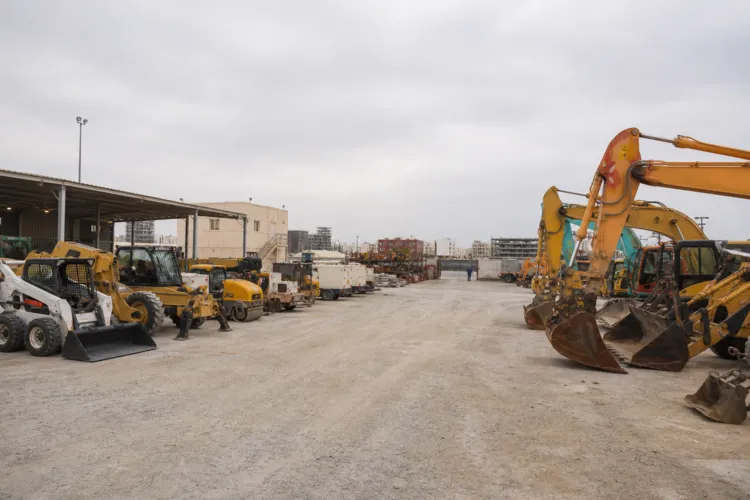
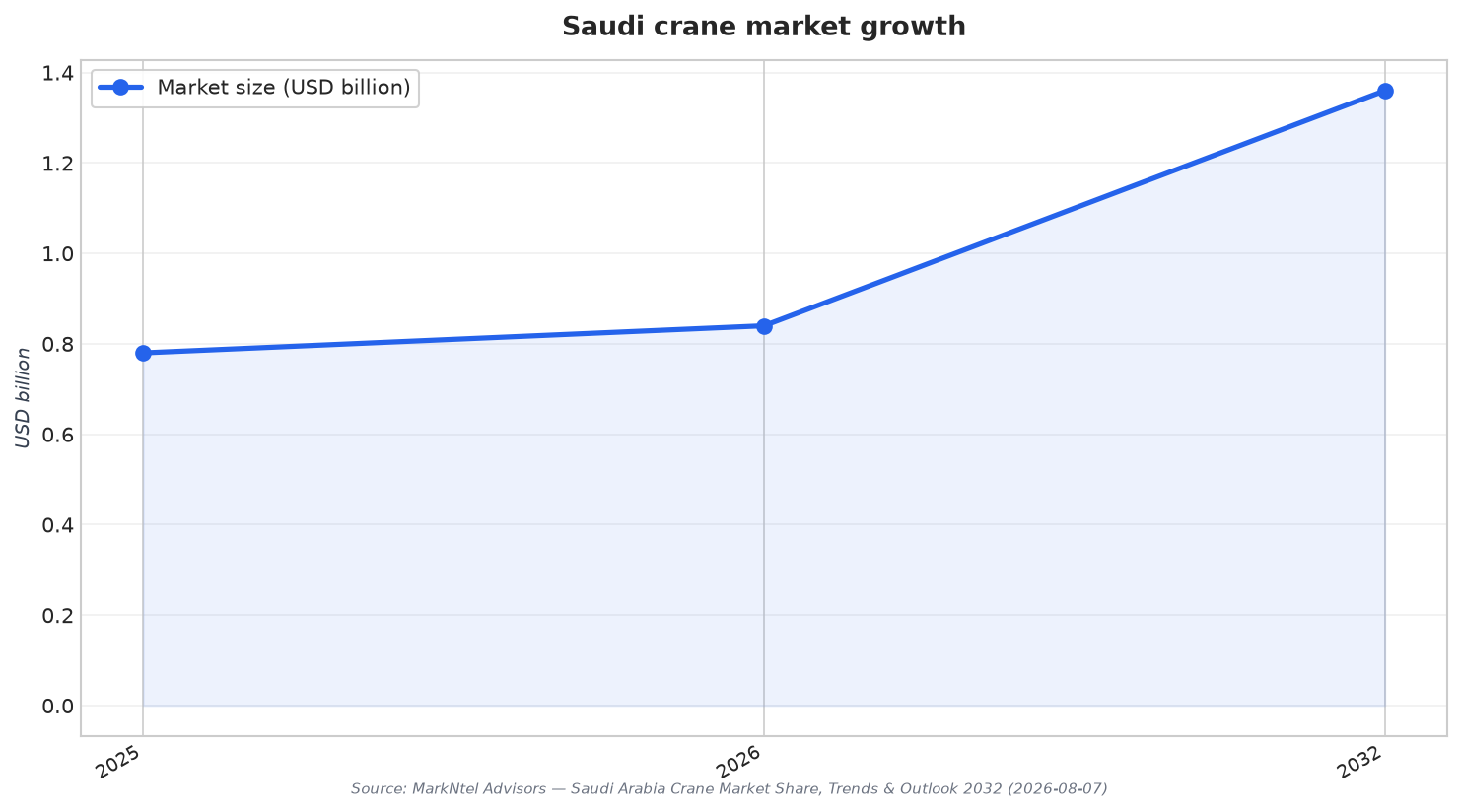
Lift plans on Saudi high-rise and stadium-style sites are being written in a market that is expanding fast and demanding tighter compliance discipline. MarkNtel estimates the Saudi Arabia crane market at USD 0.78 billion in 2025 and USD 0.84 billion in 2026, with a projection of about USD 1.36 billion by 2032 at an 8.36% CAGR. In the same 2026 snapshot, mobile cranes lead by type, accounting for an estimated 47% of market value, while building construction dominates end use at about 31%. This mix matters for safety and compliance because fixed tower cranes often share work zones with mobile and heavy-lift units, raising the need for clear lift boundaries, coordinated sequencing, and documented oversight.
Demand signals also show how much tower crane capacity is flowing toward vertical programs. MarkNtel cites WITS data saying Saudi Arabia was the world’s largest importer of tower cranes in 2024, importing 1,501 units valued at roughly USD 155.5 million under HS 842620. MarkWide adds that Riyadh and Dubai high-rise corridors drive tower crane intensity at a GCC level, where the GCC crane market is valued at USD 1.85 billion in 2026 and is forecast at USD 2.97 billion by 2035 at a 5.40% CAGR. For contractors, import volumes and corridor concentration raise practical compliance questions: are cranes matched to the right site constraints, are lift plans consistent across mixed fleets, and do documentation packages stay audit-ready across multi-phase work?
Compliance Pressure Points: Conformity, Data, and Site Complexity
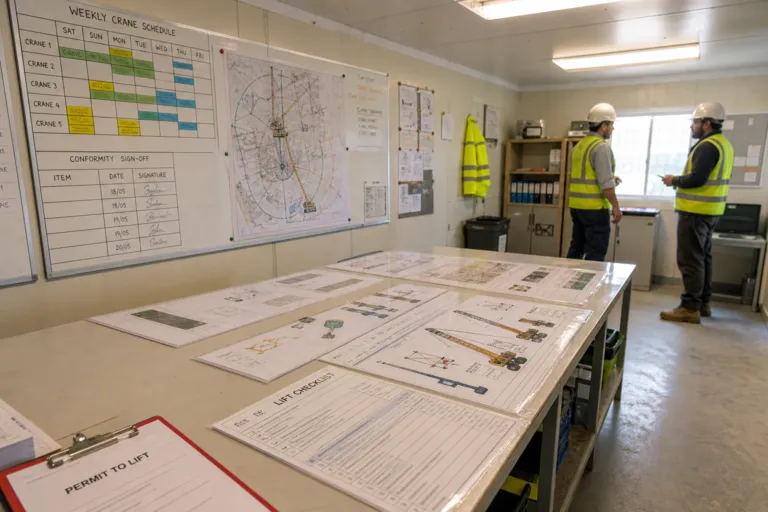
Saudi jobsite compliance is also being shaped by how equipment is specified and qualified for government-linked work. MarkWide notes that SASO conformity mandates, described as Saudi Standards, Metrology and Quality Organization certification requirements for imported lifting equipment, are accelerating fleet replacement among contractors seeking government contract eligibility. In parallel, Mordor Intelligence’s tower crane coverage ties baseline safety compliance to data capture, stating that ISO 12480-3:2019 now requires event data recorders, which entwines telematics with basic safety compliance. Together, these signals push lift planning beyond load charts and rigging sketches. Plans increasingly need traceability, evidence of conformity, and operating records that support incident prevention on dense urban sites and complex venues.
Technology claims in the sources illustrate why collision avoidance and monitoring are becoming part of safety narratives, even when implemented through rental partners. Mordor Intelligence reports Lancaster University research that logged 93.85% object-detection accuracy for crane digital twins using YOLOv5x, enabling real-time collision avoidance, and it also cites an IEEE study reporting 20% faster positioning cycles enabled by service-oriented autonomous systems. Separately, MarkWide describes equipment rental platforms with integrated telematics fragmenting ownership models, and Mordor adds that more than half of large construction and infrastructure projects now rely on rented lifting equipment rather than outright ownership. In this environment, lift plans must define who owns monitoring, who responds to alarms, and how event data supports compliance reviews.
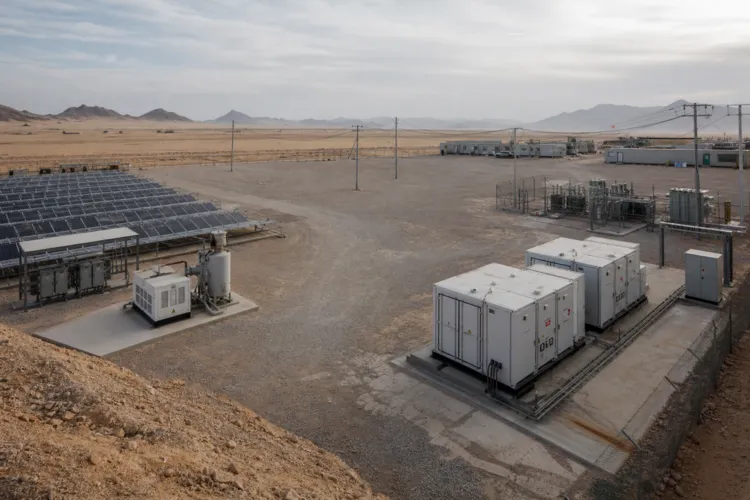
For tower crane safety lifting operations in Saudi Arabia, the bigger risk is treating compliance as paperwork instead of a system that matches the reality of megaproject delivery. Mordor Intelligence notes Saudi Arabia’s Vision 2030 slate, led by NEOM and The Line, could need roughly 20,000 tower cranes if plans materialize, while MarkWide highlights megadevelopments absorbing unprecedented lifting capacity and points to hook heights exceeding 300 meters in luffing configurations. Add energy and infrastructure pull, such as MarkNtel’s note that SPPC awarded five renewable-energy projects totaling 4.5 GW and more than about USD 2.4 billion in October 2025, and the conclusion is simple: lift plans must hold under schedule pressure, multi-employer interfaces, and high equipment throughput, with conformity and event data supporting consistent enforcement.
What signals show tower crane demand is rising in Saudi Arabia?
How does SASO affect lifting equipment compliance on Saudi projects?
What standard links telematics to basic crane safety compliance?
What research results in the sources support collision-avoidance monitoring?
How do tower crane safety lifting operations in Saudi Arabia change when projects rely on rentals?
Talk to us for your needs in:
-
Sustainable Construction Solutions
-
Strategic Construction Planning
-
Customer-Centric Construction Services
-
Operational Excellence in Construction
-
Leadership and Change Management for Construction
-
Digital Transformation in Construction
-
Saudi Construction Market Research
-
In-Depth Market Study for Construction
-
Market Intelligence and Insights in Construction
-
Feasibility Study and Assessment in Construction
-
Saudi Construction Benchmarking