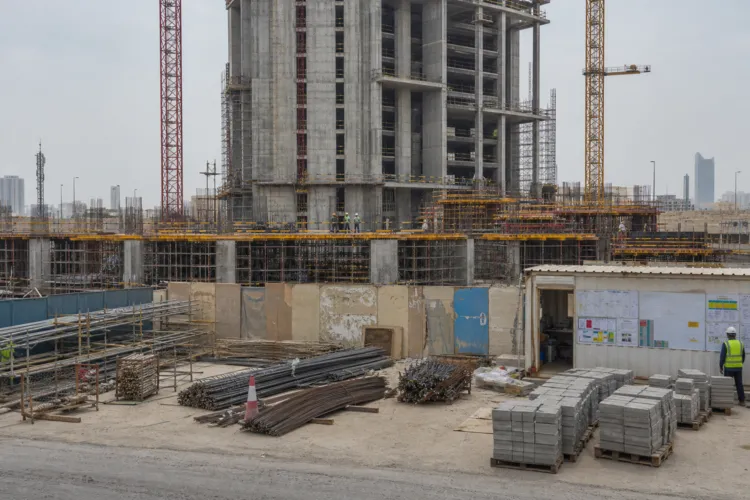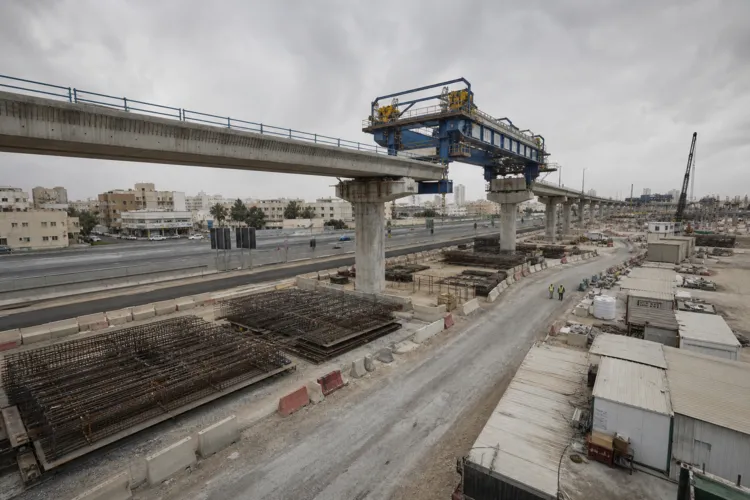
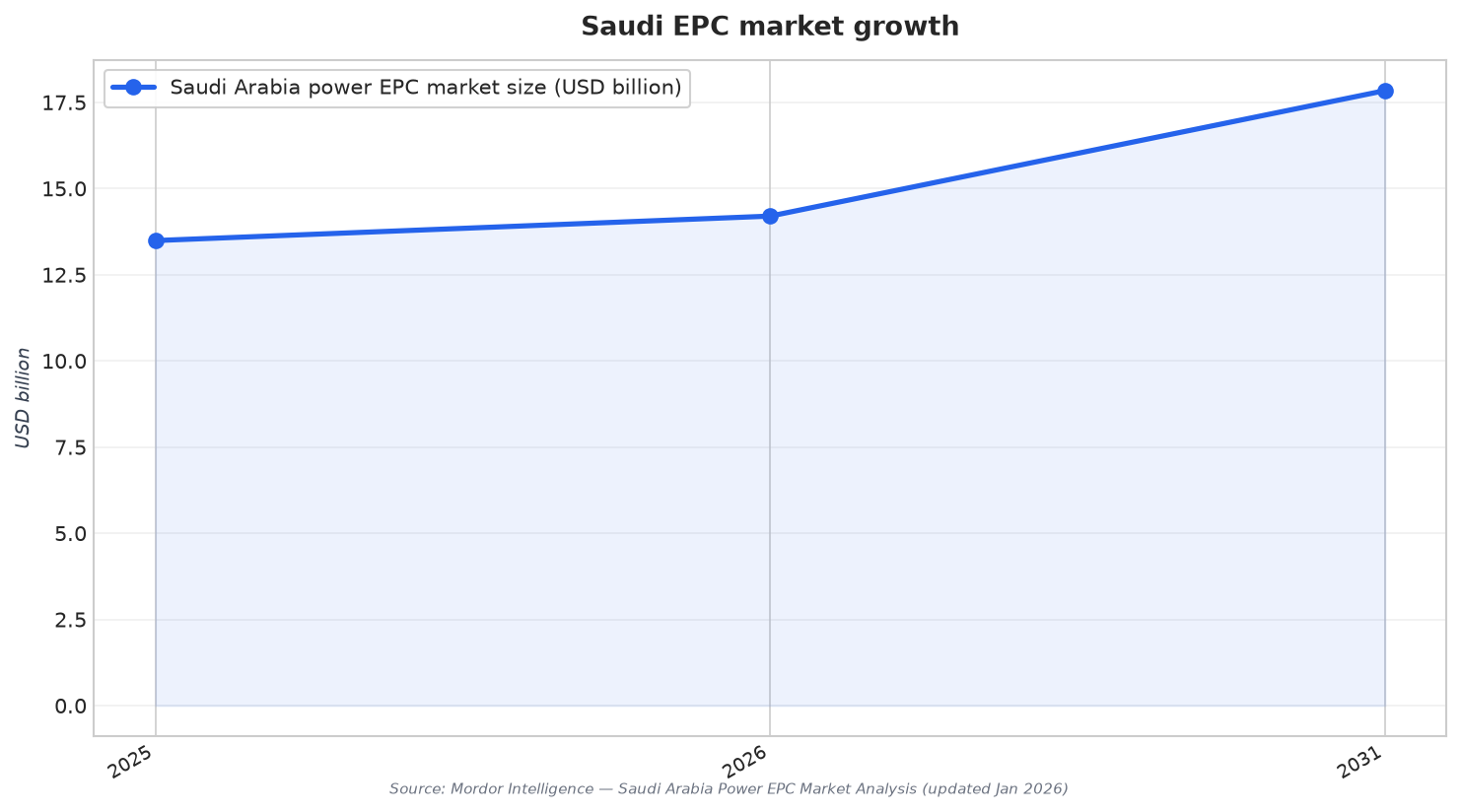
Contract momentum around ACWA Power is shaping what a solar PV EPC contract in Saudi Arabia will look like in 2026. Mordor Intelligence expects the Saudi Arabia power EPC market to grow from USD 13.49 billion in 2025 to USD 14.20 billion in 2026, and forecast it to reach USD 17.84 billion by 2031, at a 4.67% CAGR over 2026–2031. The same source links this to Vision 2030’s 100–130 GW renewable-capacity goal and an annual installation pace above 20 GW from 2025. For EPCs and civil firms, that scale translates into repeatable, industrialized construction packages, with schedule and quality risk pushed down the delivery chain.
Market structure also matters for who wins and how subcontractors get engaged. In 2025, power generation EPC accounted for 51.96% of the market, while plants above 500 MW captured 61.5% of power generation EPC share, indicating that mega-project execution is the baseline rather than the exception. Regulated utilities accounted for 56.8% of the power generation EPC market, and independent power producers are projected to grow at 5.7% annually to 2031. Mordor also notes that ACWA Power, PowerChina, and Doosan Enerbility together held a 35% Saudi Arabia power EPC market share in 2025, reinforcing a competitive environment where tier-one consortiums can tighten subcontractor scope, terms, and performance obligations.
What the New Awards Say About Scope: Bigger Plants, More Grid
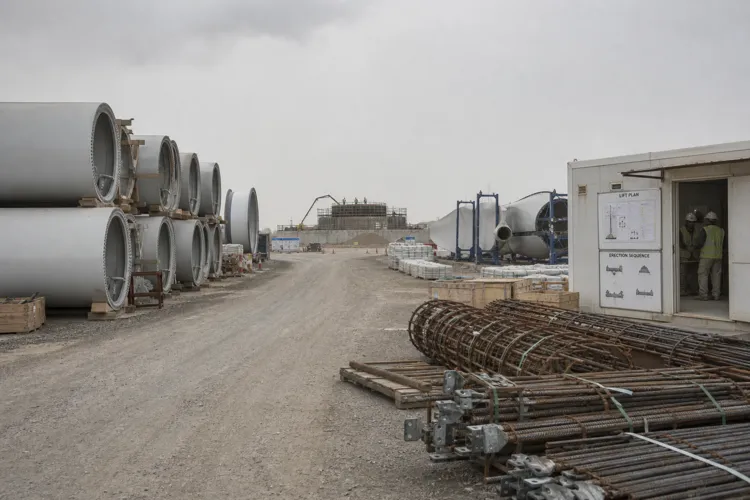
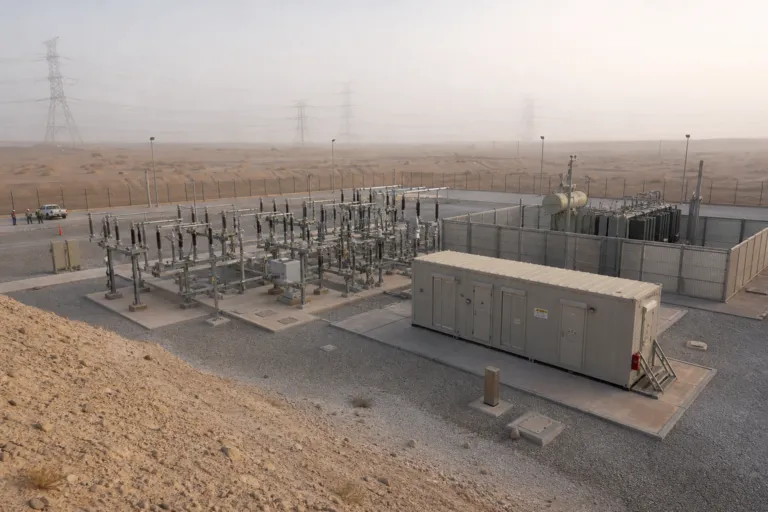
The award pattern highlighted in 2025–2026 points to bundled scopes that solar PV EPCs and civil subcontractors must plan for early. PV Magazine reports that Energy China and PowerChina signed EPC contracts for gigawatt-scale renewable projects in Saudi Arabia valued at CNY 31.273 billion (USD 4.3 billion). PowerChina also won EPC contracts for the Afif 1 and Afif 2 solar projects in Riyadh, each with 2 GW of installed capacity, under agreements signed with Afif Renewable Energy Company, a consortium led by ACWA Power. Critically for delivery teams, both Afif projects include 132 kV substations, 132 kV transmission lines, and associated grid connection infrastructure, making high-voltage and interface management central to construction planning.
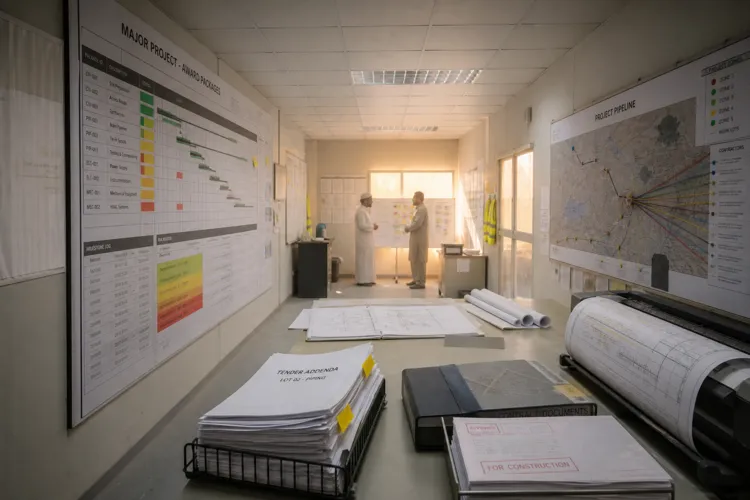
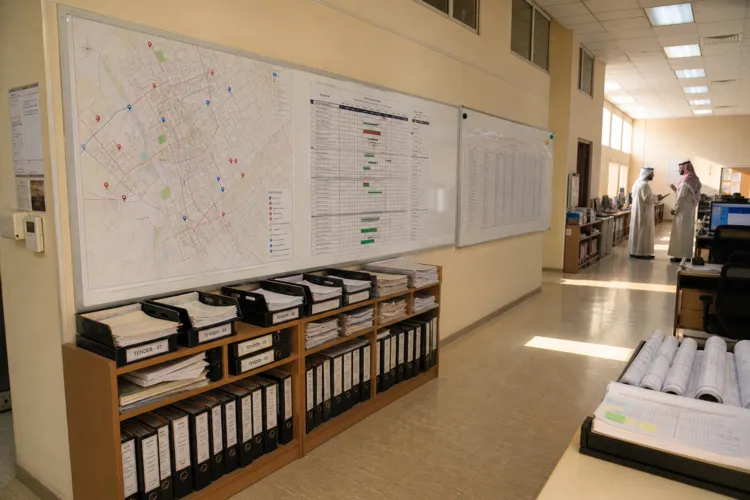
ACWA Power’s own PPA volume is a second signal to the supply chain. Mordor Intelligence states that ACWA Power secured seven PPAs in July 2025 totaling 15 GW, and cites record solar bids of USD 0.0129 per kWh at the 2 GW Al-Sadawi plant. A separate GCC solar market overview also describes ACWA Power signing PPAs valued at USD 8.3 billion with Saudi Power Procurement Company for seven renewable projects totaling 15 GW, including five solar PV installations across central, western, and southern regions of the Kingdom. For civil and balance-of-plant subcontractors, the implication is clear: more simultaneous sites across regions, with procurement discipline and standardized methods needed to keep pace with multi-project programs.
Execution risk, however, is not abstract, and it directly affects how EPCs manage subcontractors. In ACWA Power’s year-end 2025 investor report, one subsidiary, Noor 3, settled a claim of SAR 318 million with the EPC contractor related to delays and performance issues during commissioning and early operations, and finalized an insurance claim of SAR 246 million covering historical losses from plant performance issues. The report states the net impact of the EPC and insurance claim settlement was SAR 423 million (ACWA share). As 2026 contracting accelerates, these disclosed outcomes reinforce why EPCs may tighten milestone controls, testing and commissioning readiness, and performance documentation—especially where solar projects include grid connection works under long-term PPAs to SPPC.
What does a 2026 solar PV EPC contract in Saudi Arabia look like based on recent ACWA-linked awards?
How big is the Saudi Arabia power EPC market expected to be in 2026?
Why do civil and balance-of-plant subcontractors need to prepare for larger site packages?
What is one documented example of EPC execution risk in ACWA Power’s portfolio?
Talk to us for your needs in:
-
Sustainable Construction Solutions
-
Strategic Construction Planning
-
Customer-Centric Construction Services
-
Operational Excellence in Construction
-
Leadership and Change Management for Construction
-
Digital Transformation in Construction
-
Saudi Construction Market Research
-
In-Depth Market Study for Construction
-
Market Intelligence and Insights in Construction
-
Feasibility Study and Assessment in Construction
-
Saudi Construction Benchmarking