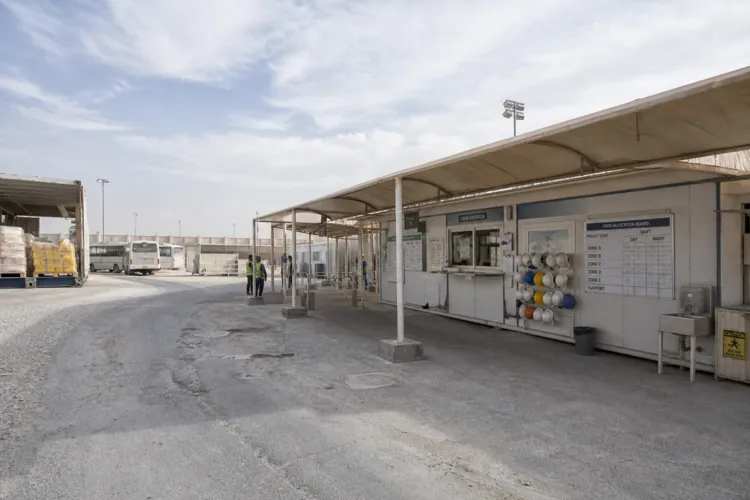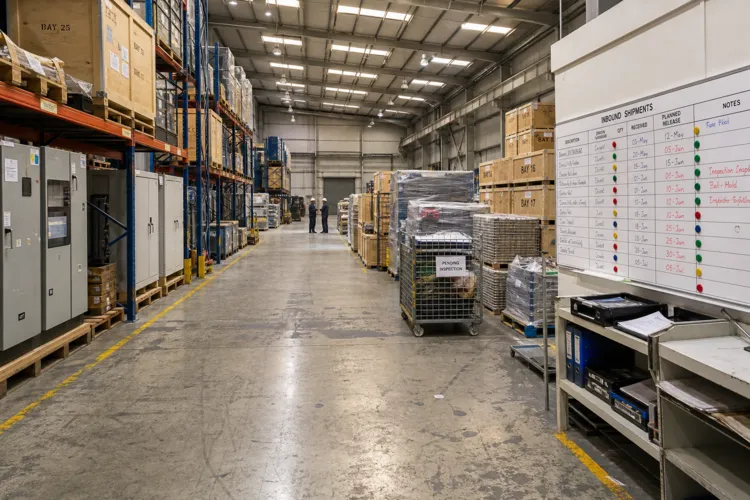
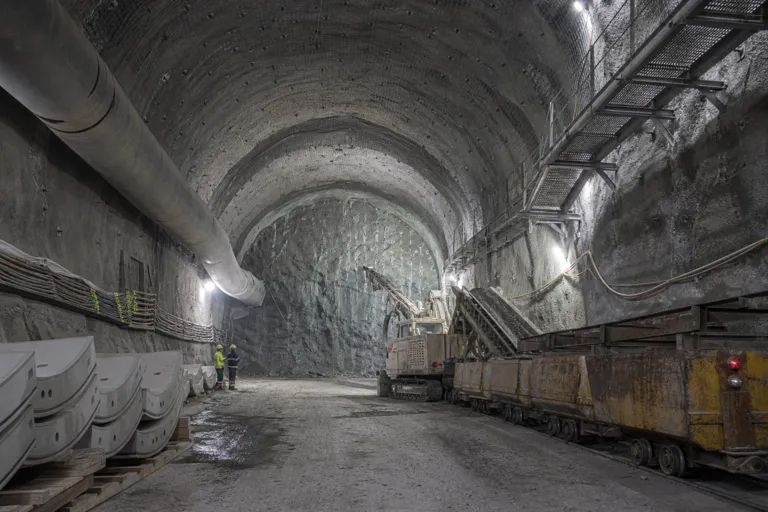
Riyadh’s push to ease congestion is no longer only about widening roads. It is also about building under them. Underpasses and road-tunnel works sit inside a wider transport construction surge shaped by Vision 2030 and demand for faster urban connectivity. IMARC Group research cited in Futurism places the Saudi Arabia transportation infrastructure construction market at USD 9.9 billion in 2024, projected to reach USD 12.3 billion by 2033, with a 2.20% CAGR during 2025–2033. That pipeline matters for Riyadh because the city leads national activity. Mordor Intelligence reports Riyadh held a 33.4% city share of the Saudi Arabia infrastructure construction market in 2025, aligning major urban mobility works with national spending priorities.
For road users, the most visible payoff of grade separation is fewer conflict points at busy junctions. Bridge and interchange upgrades are already framed as congestion relief. Futurism’s bridge-market report describes a project that includes a new intersection at Jeddah Road intended to ease congestion along the western ring road, alongside expansion of a 763-meter bridge that is 35 meters wide and was originally built in 1997. The same source links these expansions to Riyadh’s growth toward a projected 15–20 million residents by 2030. While tunnels and underpasses are not the only tool, they pair naturally with intersection rebuilds, ring-road improvements, and maintenance cycles that now extend across overpasses and urban crossings in Riyadh and other regions.
Smart Controls and Metro Tunneling Make “Under the City” Work
Urban road tunnel construction in Riyadh, Saudi Arabia, also depends on how the city manages traffic above ground. Futurism describes AI-powered traffic platforms that analyze real-time vehicle flow, optimize signals, and reduce congestion by 35% in major cities. A separate Futurism article similarly notes real-time data analysis that can reduce congestion by up to 30% through intelligent transportation systems. These tools complement underpasses because they help keep approaches, ramps, and parallel routes moving. On the construction side, Futurism also cites AI-enabled machinery that can increase construction speed by 25% and predictive maintenance that can forecast needs 6–12 months in advance and reduce repair costs by 40%. Those capabilities support reliability for tunnels and underpasses that are costly to close once opened.
Riyadh’s congestion strategy is also being tied to mass transit and network integration. The Riyadh Economic Forum discussion summarized by ArabWheels highlights integrated public transit, better synergy between the Riyadh Metro and local bus networks, and IoT-style live congestion data and alternative routes. Mordor Intelligence’s construction-sector report adds detail on the metro pipeline, stating Riyadh Metro’s 35-kilometer northern leg was awarded in 2025, linking the capital airport to industrial zones and planned to carry 3.6 million daily riders by 2030. Taken together, under-city road works, signal optimization, and metro expansion target the same outcome: fewer bottlenecks in high-demand corridors, and more reliable travel times as the capital’s construction and mobility footprint keeps expanding.
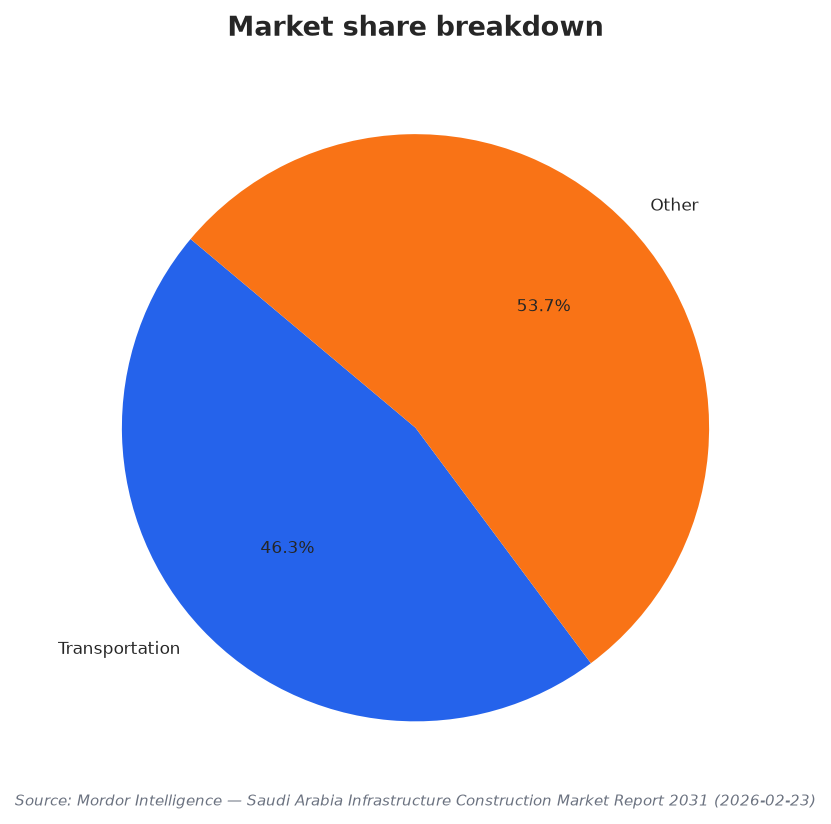
All of this sits inside an unusually large national build cycle. Futurism states Vision 2030 transport transformation is backed by SAR 500 billion in investments, with targets including 4,500 kilometers of highway expansions and 5,000 kilometers of new railways under the National Transport and Logistics Strategy. Mordor Intelligence values the Saudi Arabia infrastructure construction market at USD 65.14 billion in 2025, estimating growth from USD 68.47 billion in 2026 to USD 87.89 billion by 2031 at a 5.12% CAGR. It also reports transportation captured 46.3% of the infrastructure construction market share in 2025, and public funding held 69.1% of spending. For Riyadh, this mix of scale, funding, and urban priority increases the likelihood that tunnels and underpasses remain part of the congestion playbook through 2030.
How does urban road tunnel construction in Riyadh, Saudi Arabia, fit into the wider transport buildout?
What congestion reduction impact do the sources attribute to AI-based traffic management?
What figures are given for Saudi Arabia’s highway and rail expansion targets under Vision 2030?
What is a key Riyadh Metro project detail connected to congestion relief in the sources?
What does the Riyadh Economic Forum emphasize besides new construction to address congestion?
Talk to us for your needs in:
-
Sustainable Construction Solutions
-
Strategic Construction Planning
-
Customer-Centric Construction Services
-
Operational Excellence in Construction
-
Leadership and Change Management for Construction
-
Digital Transformation in Construction
-
Saudi Construction Market Research
-
In-Depth Market Study for Construction
-
Market Intelligence and Insights in Construction
-
Feasibility Study and Assessment in Construction
-
Saudi Construction Benchmarking