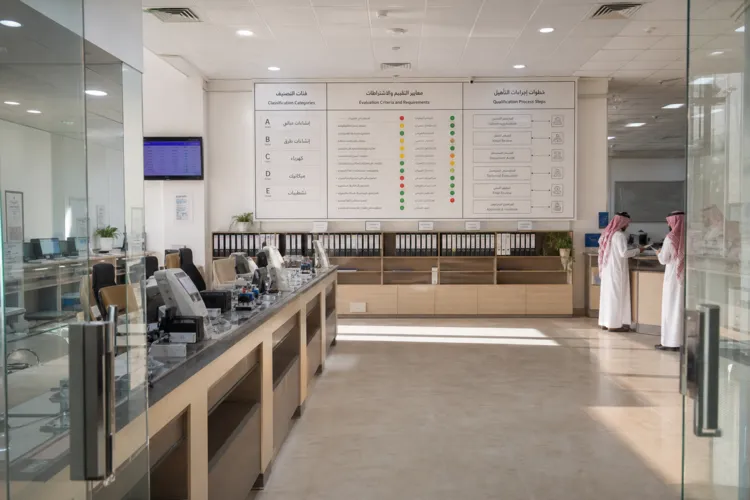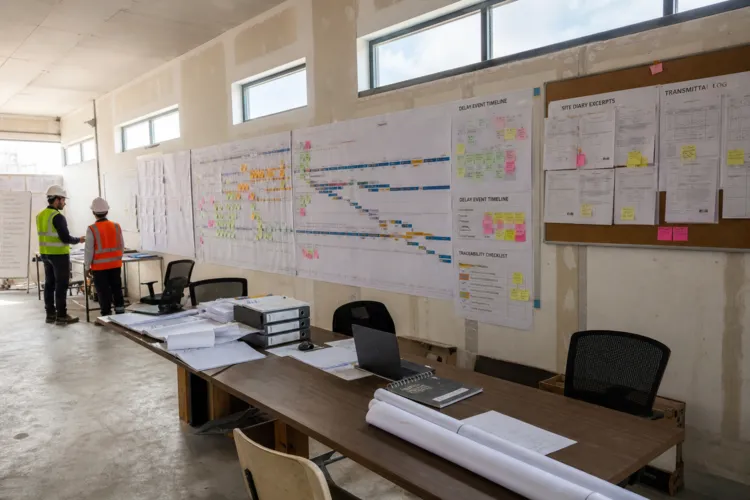
Saudi Arabia’s construction environment is being reshaped by Vision 2030 megaprojects and a procurement mix that tilts toward government infrastructure agencies rather than private residential developers. That shift matters because public tenders increasingly tighten technical requirements through the Saudi Building Code, while imported inputs face conformity checks under SASO, and specialty construction chemicals can add SFDA oversight layers. In practice, the planning problem is not just buying materials. It is sequencing compliance, approvals, and deliveries so that site work does not stall while critical packages wait offshore or in customs.
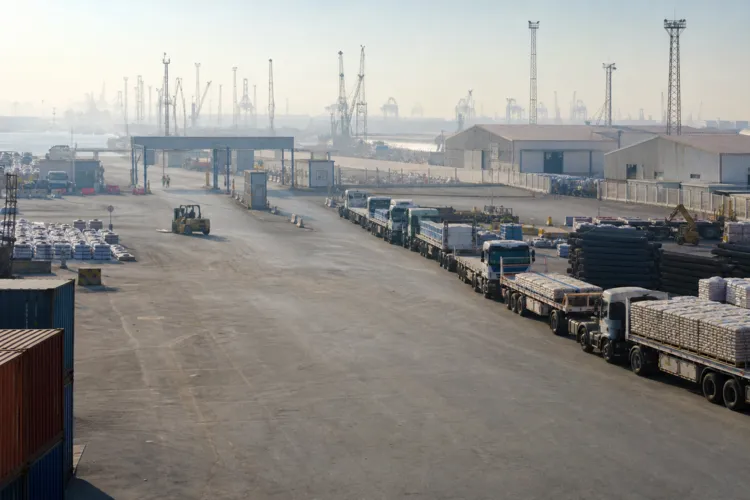
In a disrupted Gulf, procurement also has to account for macro and logistics uncertainty beyond any single project. Fitch Solutions flags disruption to trade through the Strait of Hormuz linked to escalating regional conflict risk, alongside MENA inflation moving from a GDP-weighted 6.4% in 2025 to 7.0% in 2026 before easing to 5.1% in 2027. At the same time, Saudi logistics capacity is expanding. IMARC values the Saudi Arabia logistics market at USD 55.29 Billion in 2025 and projects USD 83.41 Billion by 2034, with 3PL holding a 46.12% share in 2025 and roadways accounting for 59.08% of transport. The takeaway is simple: shipping and warehousing options are improving, but volatility still makes schedule protection essential.
Where Long-Lead Risk Concentrates—and How to Buffer It
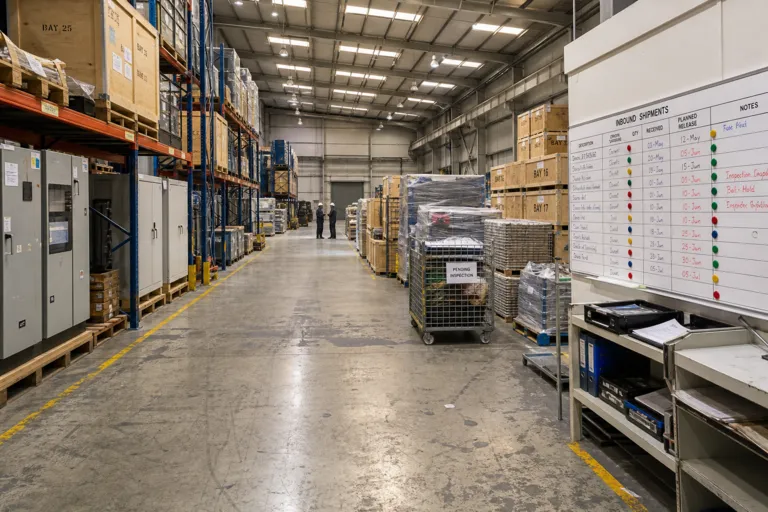
The most practical long lead equipment procurement strategy for Saudi construction is to identify import-dependent packages with repeatable installation patterns and then commit early while building a controlled buffer stock. IndexBox data shows Saudi Arabia’s alarms and signalling equipment market remains highly import-dependent, with an estimated 70–85% of consumption supplied by foreign-manufactured devices. Recent procurement cycles show electronic component and control panel lead times lengthening to 12–20 weeks. Those same systems are increasingly specified as addressable or intelligent, and integration with building management systems is becoming standard, which raises the impact of any missing modules or panels. For contractors, that combination favors early locking of BOMs, certification-ready submittals, and distributor-held stock for the most failure-prone and most schedule-critical items.
Industrial packages show similar exposure. In agitators, vibrators, and mixers, IndexBox estimates overseas equipment represents 70–80% of domestic supply by value. Lead times often range from 12 to 24 weeks for imported high-shear mixers and specialty agitators, and compliance with ATEX/IECEx for hazardous areas plus Saudi SASO certification adds complexity for new suppliers. IndexBox also notes localization of assembly and maintenance is accelerating, with service hubs and spare-part stocking points emerging in Dammam, Jubail, and Yanbu to reduce lead times. Buffer stock here is not about warehousing whole machines. It is about spares, wear parts, and standardized subassemblies that keep commissioning and early operations from slipping while OEM support is scheduled.
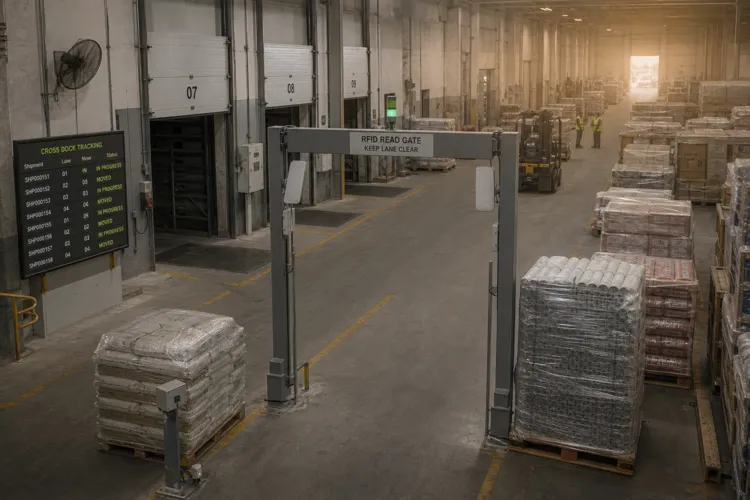
Execution should combine early ordering with smarter sourcing discipline. RarEquip emphasizes diversified sourcing strategies to reduce dependence on a single vendor, plus accurate forecasting to reduce emergency purchases and inventory waste. It also notes industrial procurement increasingly emphasizes compliance and quality assurance, and that the lowest purchase price is not always the most economical option. Applied to Saudi sites, this means pre-qualifying alternates, using framework contracts where possible, and aligning inventory strategy with logistics reality—especially as outsourcing to 3PL is already a major feature of the Saudi logistics model. Ordering early protects the schedule; storing smart protects the budget and reduces rework triggered by late design changes or certification gaps.
What is a practical long lead equipment procurement strategy for Saudi construction projects?
Which equipment categories show clear long-lead risk in Saudi Arabia?
Why does buffer stock matter more when imports dominate supply?
How can teams reduce single-supplier risk without overbuying inventory?
What Saudi logistics signals support a store-smart approach?
Talk to us for your needs in:
-
Sustainable Construction Solutions
-
Strategic Construction Planning
-
Customer-Centric Construction Services
-
Operational Excellence in Construction
-
Leadership and Change Management for Construction
-
Digital Transformation in Construction
-
Saudi Construction Market Research
-
In-Depth Market Study for Construction
-
Market Intelligence and Insights in Construction
-
Feasibility Study and Assessment in Construction
-
Saudi Construction Benchmarking