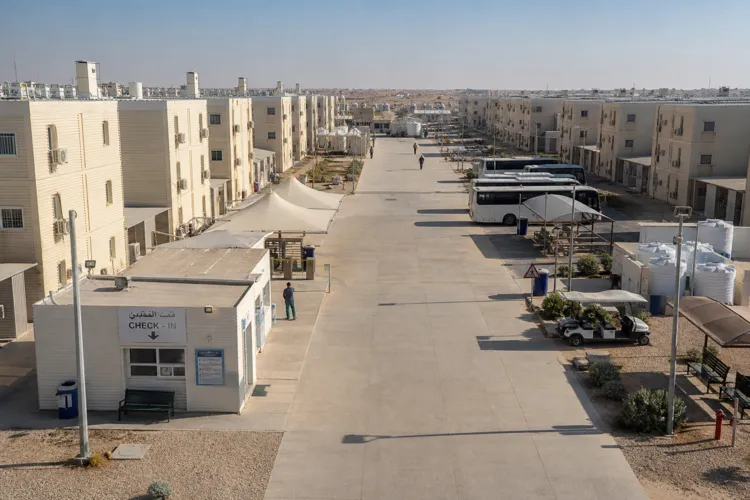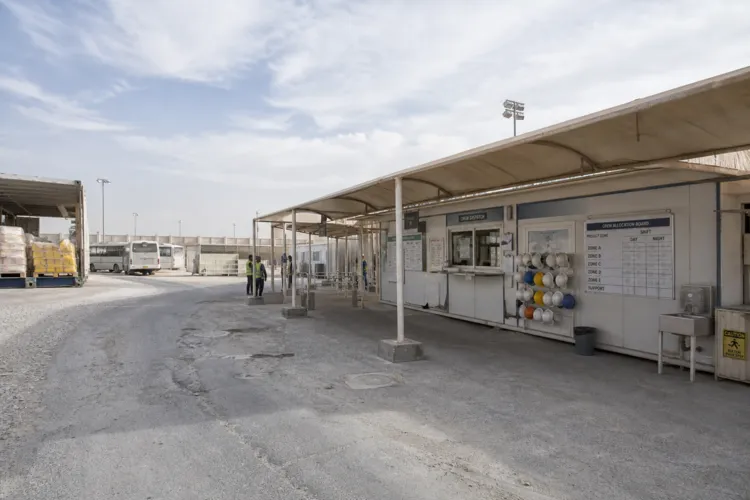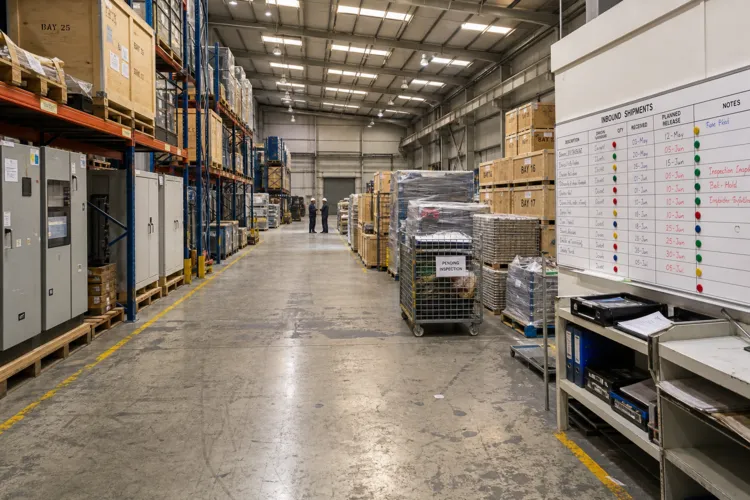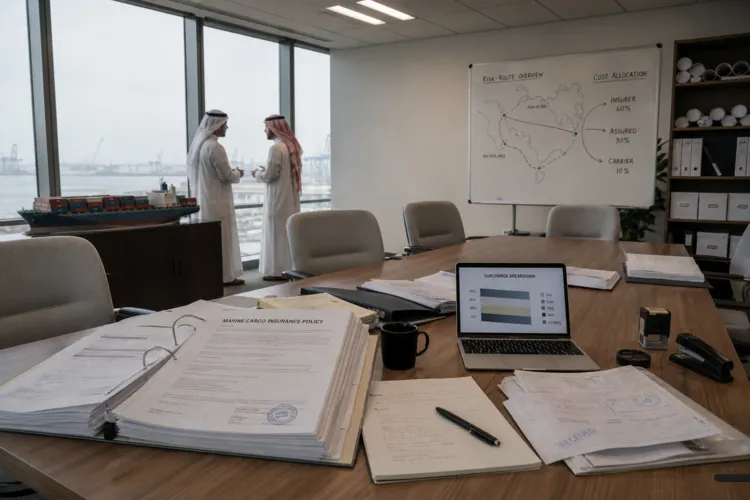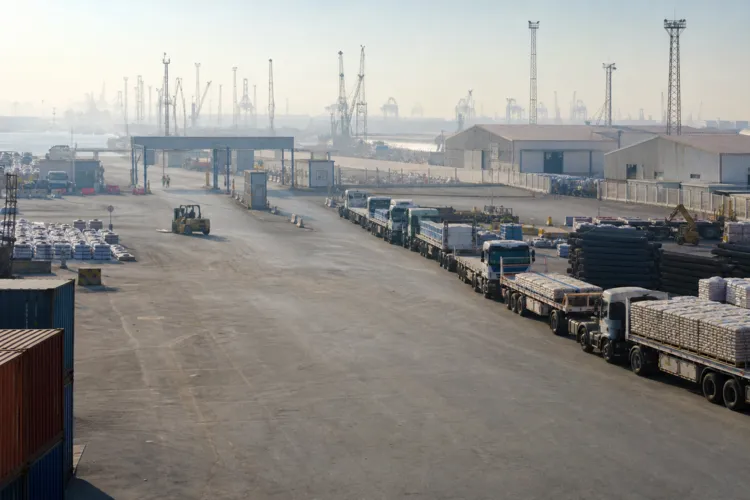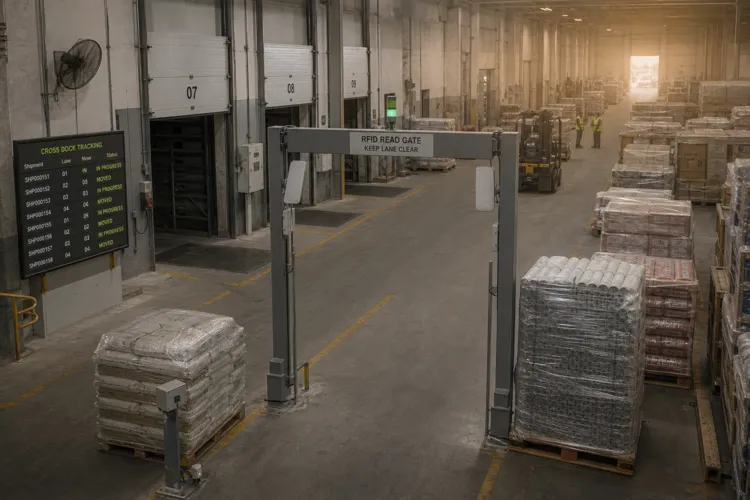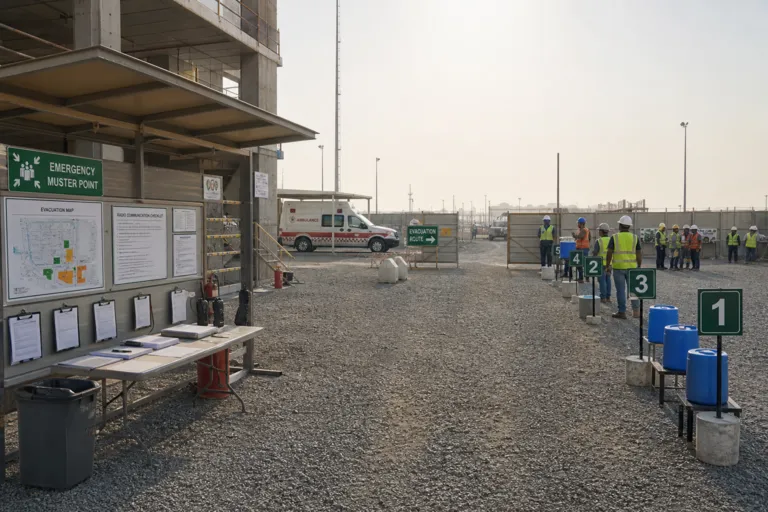
In 2026, Saudi construction teams are operating in a market Mordor Intelligence values at USD 82.80 billion, up from USD 78.60 billion in 2025. That scale matters because more active packages mean more workers, interfaces, and simultaneous operations to manage when disruption hits. In 2025, infrastructure led with 60.13% of revenue, and new construction dominated with an 85.08% share, while conventional on-site work accounted for 90.92% of value. These mixes influence evacuation design. New-build, infrastructure-heavy sites often stretch across corridors and compounds, so evacuation routes, muster points, and accountability procedures must be planned for long travel distances and segmented work fronts.
Preparedness in Saudi Arabia is also moving toward smarter, faster decisions. Security Middle East reports that artificial intelligence and big data analytics are being integrated to support decision-making, forecast disaster paths, determine evacuation routes, and allocate resources quickly and effectively. For contractors, this is a clear cue to treat evacuation planning as a dynamic routing problem, not a static map posted on a gate. The same source stresses that emergency systems require qualified and trained personnel, and that authorities conduct awareness campaigns about evacuation plans, safety procedures, first aid, and emergency protocols. Site plans should align with that reality by building role-based training, refreshers, and clear communication routines into the workweek.
A 2026 Blueprint for Site Evacuation: Scale, Tech, and Accountability
For construction site emergency evacuation planning in Saudi Arabia, 2026 is defined by mega-project execution and the need to control complexity. Mordor Intelligence highlights giga- and mega-project pipelines including NEOM, Red Sea, Diriyah, and Qiddiya, with examples such as a NEOM green-hydrogen plant at 80% completion in 2025, and Red Sea Global awarding USD 3.9 billion in early 2026 for 16 island resorts using modular hotel blocks. Qiddiya includes a 320,000-square-meter indoor venue alongside a Six Flags park. Large footprints like these call for zone-based evacuation, redundant routes, and clear triggers for partial versus full-site evacuation, so supervisors can move people without creating choke points or cross-traffic with emergency access.
National investments in crisis systems provide more context for contractor planning. Mordor Intelligence’s emergency and disaster response coverage says Saudi Arabia allocated SAR 1.8 billion (approximately USD 480 million) in 2024 for an integrated national system, underscoring demand for vendor-managed, sovereign-hosted solutions with data residency and multilevel cyber certification. Contractors can mirror that emphasis at the project level by treating evacuation communications, accountability lists, and incident logs as controlled operational data, not informal messaging. In parallel, the same source notes that natural disasters resulted in USD 280 billion in global economic losses in 2024, and that procurement officers are prioritizing “fly-ready” containerized and flat-pack solutions that can be airlifted and operational within three days. For remote or logistics-constrained sites, pre-positioned emergency supplies and rapidly deployable shelter can shorten downtime after an evacuation.
Finally, evacuation planning should reflect where and how the Kingdom is building. Mordor Intelligence reports public spending accounted for 63.35% of 2025 activity, while “rest of Saudi Arabia” represented 49.31% of 2025 construction value, implying many sites will sit outside a single metro core. IMARC Group adds that the construction market reached USD 101.4 billion in 2025 and projects USD 140.4 billion by 2034, while also describing a skilled labor shortage in mid-tier supervisors and skilled trades. In practice, this pushes contractors to standardize drills and signage across multilingual crews and rotating subcontractors. The goal is simple: every worker must know the nearest safe route, the correct assembly point, and how the headcount will be verified under pressure.
How should contractors approach construction site emergency evacuation planning in Saudi Arabia for 2026?
Why does the 2025 construction mix matter for evacuation planning?
Which mega-project signals in Saudi Arabia affect site evacuation design?
What national investment signal suggests stronger crisis-system expectations on projects?
Talk to us for your needs in:
-
Sustainable Construction Solutions
-
Strategic Construction Planning
-
Customer-Centric Construction Services
-
Operational Excellence in Construction
-
Leadership and Change Management for Construction
-
Digital Transformation in Construction
-
Saudi Construction Market Research
-
In-Depth Market Study for Construction
-
Market Intelligence and Insights in Construction
-
Feasibility Study and Assessment in Construction
-
Saudi Construction Benchmarking