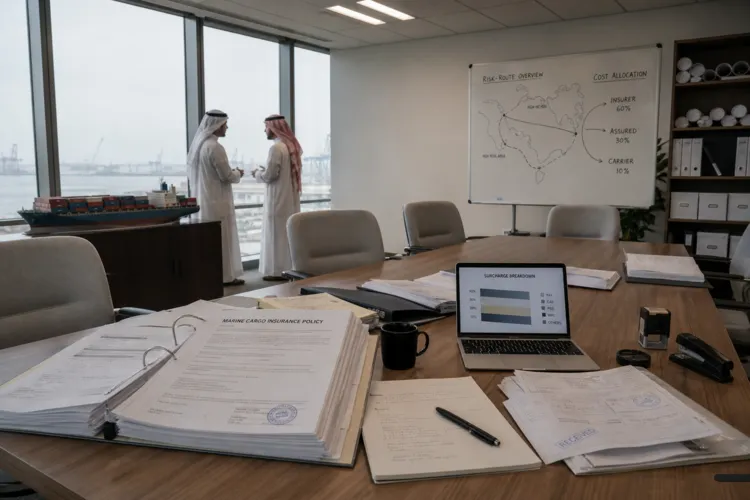
In Saudi Arabia, construction materials are expected to meet technical standards that are developed, published, and enforced under the national framework led by the Saudi Standards, Metrology and Quality Organization (SASO). In trade terms, SASO is described as the only Saudi organization responsible for setting national standards for commodities and products, as well as measurements, testing methods, safety measures, and other requirements. For market access, SASO defines the “what” by determining the applicable standards and regulations for specific product categories entering the Kingdom. SABER is the “how” for certification, because it is the official electronic platform used to register products, submit documents, and obtain the required conformity certificates for entry.
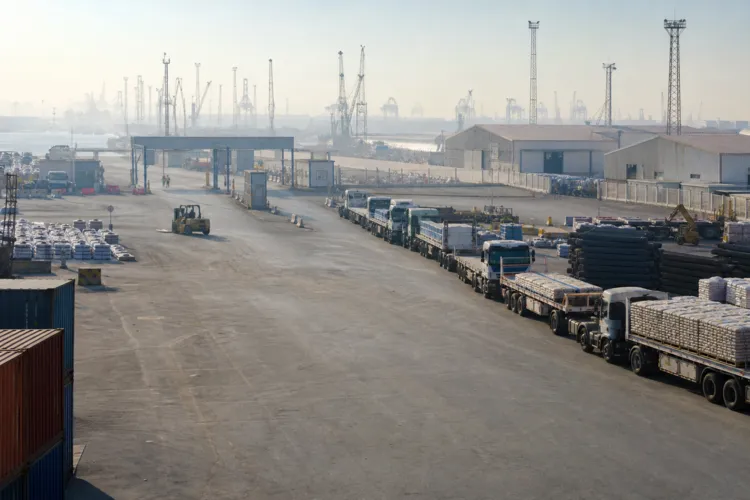
The clearance implications are explicit in the guidance around SABER certification. One source states that without a SABER certificate, products will not clear Saudi customs, and that non-compliant products face immediate rejection at Saudi customs. The U.S. government trade guidance adds a timeline anchor for how the system became embedded in import processes: in January 2018, SASO rolled out Saleem Saber as an electronic certification and conformity assessment system replacing CoC, and it became mandatory for all imported goods entering Saudi Arabia as of July 2018. That same guidance describes SABER as an online verification tool that connects importers, SASO-approved certification bodies, and Saudi customs and related trade authorities in one online system.
From SASO Rules to SABER Workflow: What Construction Teams Do
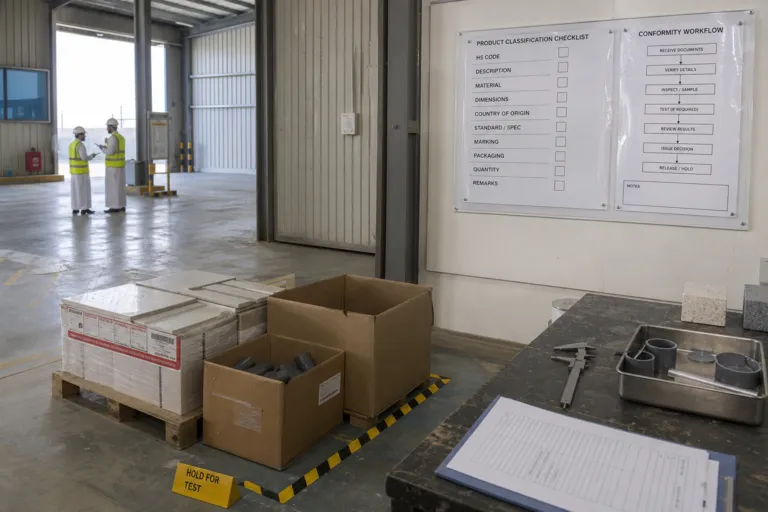
Construction procurement teams often feel the system is complex because it mixes technical regulation, product testing, and platform steps. Practically, exporters and importers are advised to first identify which SASO technical regulation governs the product category, because that determines what safety or quality testing is needed. The next step is testing the product in an accredited laboratory in accordance with SASO technical regulations to confirm it conforms to the relevant SASO standard. On the platform side, trade guidance explains that to submit a regulated product for importation, the importer initiates the request by registering the product in SABER, entering product details, selecting classification, assigning a SASO-approved certification body for conformity assessment, and awaiting an approval certificate. If approval is granted, the importer is then issued a shipment certificate for import movements.
For Saudi construction materials specifically, the SALEEM programme is presented as the framework behind the SABER platform. Under SALEEM, products are categorized into regulated and non-regulated groups based on risk, and regulated products are classified as low, medium, or high risk based on nature, application, safety, and performance aspects, including risks to consumers and the environment. Construction materials are explicitly included among the wide range of regulated categories covered by SASO technical regulations. In practice, SASO technical regulations for building materials can demand detailed test reports from accredited laboratories, risk assessment profiles, and proof that materials are free from hazardous substances. This is where the keyword topic matters: SABER product conformity certification for Saudi construction materials is not just paperwork; it is the practical gate to customs clearance and site acceptance.
Teams can also reduce friction by understanding the common standards and the ways compliance is verified in the market. One construction-focused guide points to concrete examples of Saudi standards used in procurement, such as Cement standards SASO 34 and SASO 143, reinforcement steel standard SASO 2, and electrical cables and wires standard SASO 217, alongside SASO standards for insulation products and for plumbing and drainage products such as CPVC, PPR, and HDPE pipes. It also notes that importers must register products on SABER and obtain a Certificate of Conformity (CoC) before customs clearance, and that construction professionals can use SABER to verify the compliance status of imported materials. Separately, the Saudi Quality Mark (SQM) is described as a certification for products that consistently meet applicable SASO standards, supported by factory inspections and product testing, and buyers are advised to look for the SQM logo on packaging and documentation for construction materials.
What does SASO do, and what does SABER do for imports?
When did SABER become mandatory for imported goods entering Saudi Arabia?
How does the SALEEM framework affect conformity steps for construction materials?
Which SASO standards are commonly referenced for Saudi construction materials?
How should a buyer think about SABER product conformity certification for Saudi construction materials?
Talk to us for your needs in:
-
Sustainable Construction Solutions
-
Strategic Construction Planning
-
Customer-Centric Construction Services
-
Operational Excellence in Construction
-
Leadership and Change Management for Construction
-
Digital Transformation in Construction
-
Saudi Construction Market Research
-
In-Depth Market Study for Construction
-
Market Intelligence and Insights in Construction
-
Feasibility Study and Assessment in Construction
-
Saudi Construction Benchmarking