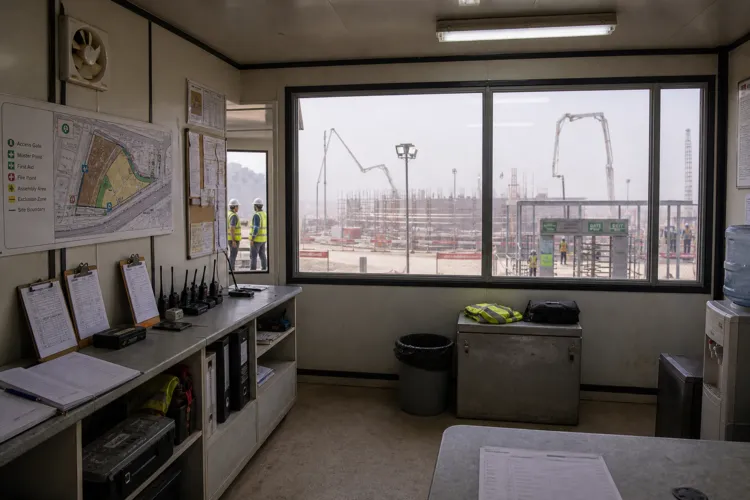
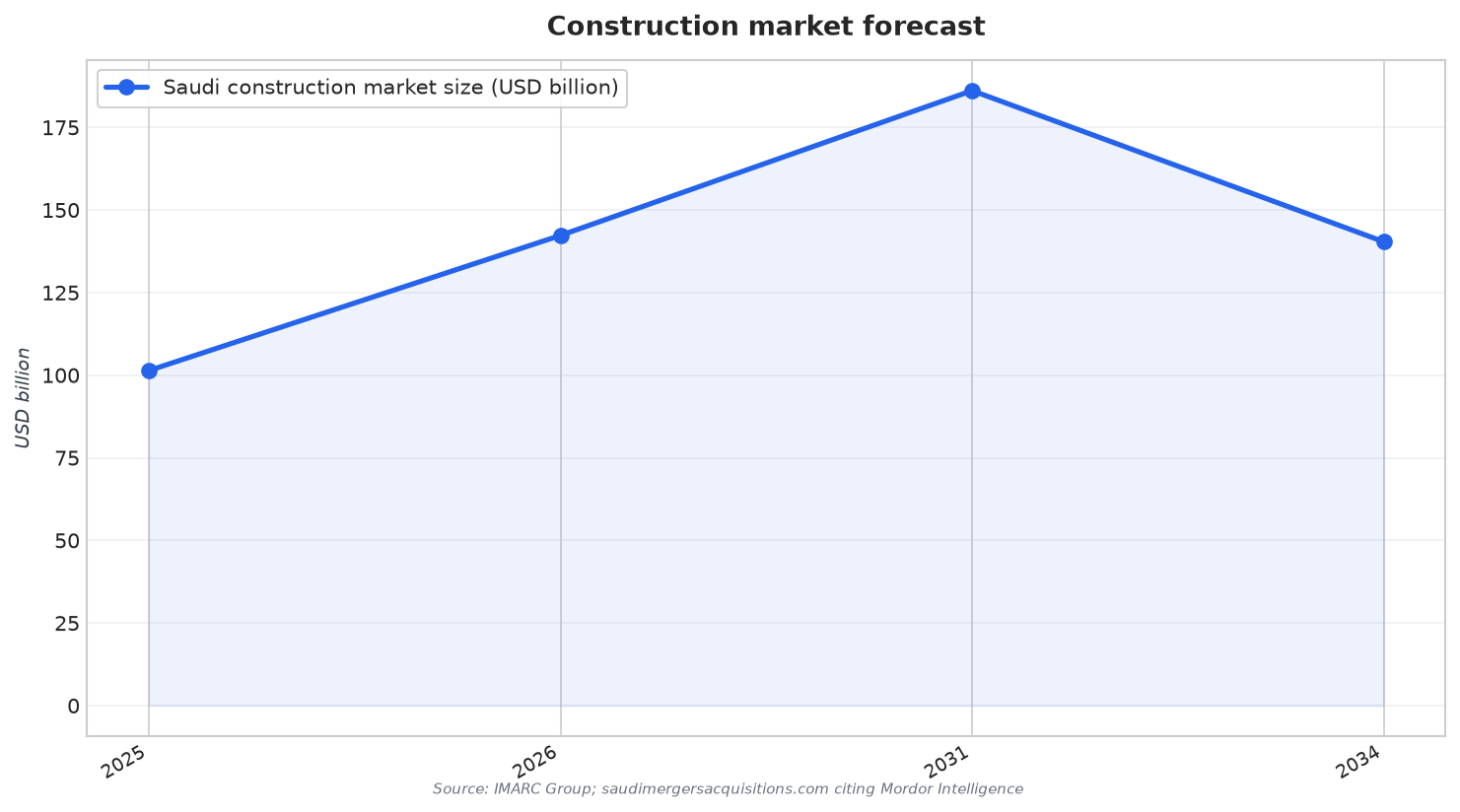
Saudi Arabia’s giga-project pipeline is still vast, but the operating reality has shifted toward tighter governance and sharper scope choices. In 2025, Saudi giga-project contract awards reached USD 196 billion, up 20% on 2024, according to Knight Frank’s 2025 Saudi construction outlook cited by Powerweave. At the same time, the broader market context is mixed across sources: IMARC reports the Saudi Arabia construction market reached USD 101.4 billion in 2025 and projects USD 140.4 billion by 2034, while another source citing Mordor Intelligence places the 2025 market at USD 133.79 billion and 2026 at USD 142.30 billion. For delivery teams, these signals matter less as a debate and more as a reminder: commitments are large, scrutiny is higher, and value engineering must be designed to survive procurement and execution.
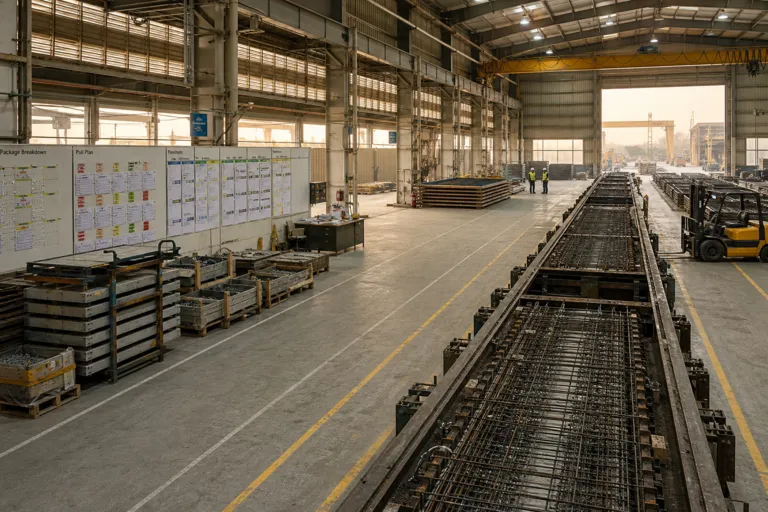
Rescoping pressure is also coming from schedule and input costs. Sumitora Data reports structural steel and concrete prices are elevated by 20–35% above 2021 baselines, and it identifies an average delay of 8.5 months across tracked giga-project packages. When delays and price inflation stack, “cutting” becomes a blunt instrument that can trigger rework, claims, and interface risk. Better value engineering starts by protecting the functional outcomes and compressing waste in design, procurement, and delivery. That includes clarifying what is truly scope-defining, what can be deferred, and what can be standardized across multiple assets without undermining performance requirements.
Package-Level Value Engineering Tactics That Fit Saudi Procurement
Saudi giga-projects already structure work in ways that support disciplined rescoping—if teams use the packaging logic deliberately. The Vision2030.ai procurement guide describes mega-packages exceeding USD 1 billion, mid-range packages of USD 50 million to USD 1 billion, and smaller packages below USD 50 million. A practical tactic is to re-scope by package boundary, not by scattered line items: keep enabling infrastructure and compliance-critical systems stable inside mega-packages, then use mid-range and smaller packages to phase non-critical finishes, niche specialisms, or optional upgrades. This aligns with procurement reality because each giga-project client runs its own vendor management and prequalification processes, and most retain international PMCs—named in the guide as including Bechtel, AECOM, Mace, Jacobs, and WSP—who need clean interfaces to manage change without losing control of milestones.
Contractor capability and financial filters also shape what “value” is achievable during rescoping. The procurement guide notes financial prequalification typically requires annual turnover of at least three times the annual contract value, alongside bonding and guarantee capacity, insurance coverage, and working-capital strength. That reality pushes a value-engineering mindset toward constructability and delivery certainty, not just cheaper specifications. The consolidation narrative in the Saudi contractor M&A analysis reinforces why: it cites Mordor Intelligence figures that public spending accounted for 71.5% of 2025 activity in Saudi Arabia, infrastructure led with 36.6% of 2025 revenue, and new construction held an 81.2% share in 2025. Under public-led infrastructure delivery, changes that simplify execution systems and reduce interface complexity can be more “valuable” than short-term capex cuts that increase schedule risk.
Finally, rescoping decisions must reflect updated demand assumptions and portfolio interdependencies. Vision2030.ai analysis states PIF formally cut construction commitments from USD 71 billion to USD 30 billion, and that The Line’s 2030 resident target was reduced from 1.5 million to fewer than 300,000, described as an 80% cut. It also reports the Mukaab cube was suspended on 28 January 2026 and that the 2029 Asian Winter Games were stripped from Trojena and awarded to Almaty, Kazakhstan. In this environment, value engineering for Saudi giga-project rescoping should prioritize what remains mission-critical and fundable, then use procurement controls that map directly to packages, BOQs, milestones, and project codes, echoing Powerweave’s point that procurement must align to program structure. The goal is not to build less; it is to build what still matters, with fewer avoidable surprises.
How can value engineering support giga-project rescoping in Saudi Arabia without breaking delivery?
What cost and schedule signals are pushing teams toward rescoping?
What procurement packaging sizes do Saudi giga-projects commonly use?
What prequalification constraint can affect rescoping choices for contractors?
What scope recalibrations have been reported for NEOM-related plans?
Talk to us for your needs in:
-
Sustainable Construction Solutions
-
Strategic Construction Planning
-
Customer-Centric Construction Services
-
Operational Excellence in Construction
-
Leadership and Change Management for Construction
-
Digital Transformation in Construction
-
Saudi Construction Market Research
-
In-Depth Market Study for Construction
-
Market Intelligence and Insights in Construction
-
Feasibility Study and Assessment in Construction
-
Saudi Construction Benchmarking