Demand pressure is a recurring theme in student housing, and global signals help explain why developers keep targeting university-adjacent sites. Cross-border capital flowing into student property markets worldwide increased by 52% over the last three years (IPE, 2024), even as the private sector and institutions of higher education are still described as unable to supply enough accommodation to meet demand. Research.com also notes a projection of 594 million higher education students by 2040, alongside a middle class of about 4 billion people today, projected to reach 5.3 billion by 2030. Saudi Arabia is specifically listed among international student destinations, which matters because more international mobility adds to housing requirements around campuses.
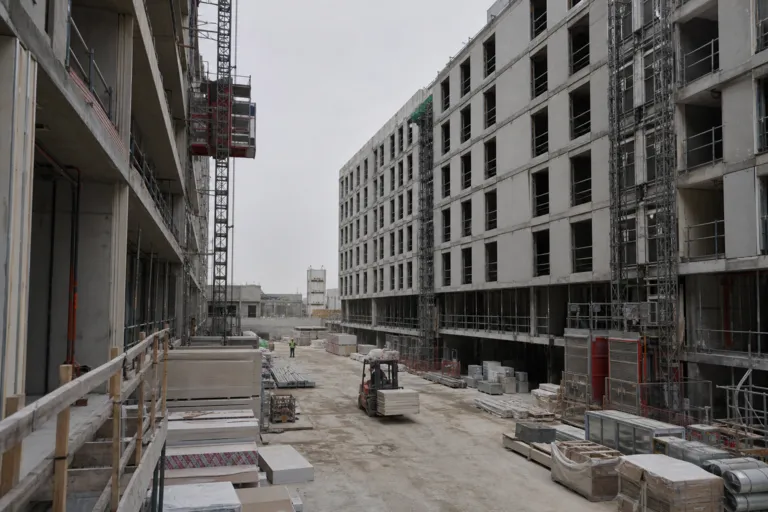
In parallel, the local construction backdrop in the Kingdom points to an environment where new student beds can compete for contractors, materials, and delivery capacity. Mordor Intelligence projects the Saudi Arabia construction market will reach USD 186.13 billion by 2031, expanding at a CAGR of 5.52%. New construction captured 81.2% of the market in 2025, reflecting how greenfield work remains dominant while giga-projects and housing drive activity. Riyadh accounted for 36.1% of 2025 construction value, and the “Rest of Saudi Arabia” cluster is expected to grow at a 7.81% CAGR through 2031. For purpose built student housing construction Saudi Arabia, those figures frame both opportunity and competition for build resources near major university cities and emerging regional hubs.
From Global PBSA Momentum to Saudi Delivery Realities
Global PBSA development patterns show what “modern” delivery can look like when demand and funding align. Grand View Research values the student accommodation market at USD 12.4 billion in 2025 and projects growth from USD 12.9 billion in 2026 to USD 19.1 billion by 2033, at a CAGR of 5.7%. As an example of premium positioning, Centurion Corporation launched the EPIISOD PBSA brand in Sydney, and its EPIISOD Macquarie Park development near Macquarie University is planned to provide approximately 732 student beds, scheduled to welcome residents by Semester 1 of 2026. Saudi developers can read this as a signal that experience-led, convenience-led product is becoming the benchmark, while still adapting layouts, operations, and budgets to local construction conditions.
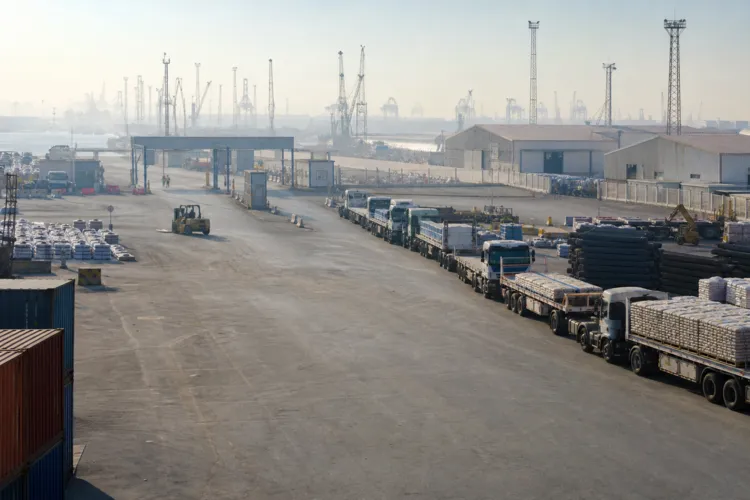
Fit-out and procurement details also influence how quickly student beds come online, and Saudi-specific furniture supply dynamics can shape project planning. IndexBox describes the Saudi twin bed frame market as heavily import-dependent, with an estimated 85–95% of unit supply sourced from China, Vietnam, and Malaysia, while local production is limited to small-scale carpentry and custom workshops. It also outlines price bands that affect dorm and contract buying: value platform frames at SAR 150–400 and premium wooden or storage frames at SAR 800–2,500, noting that premium frames can appear in contract procurement for student housing and hotels. Logistics can matter as well: a 40-ft container from China to Jeddah is cited at USD 2,500–3,500 during non-peak months. On the channel side, online retail accounts for 30–40% of consumer twin bed frame purchases, and return rates for online flat-pack frames are estimated at 8–12%, which can influence specification and QA decisions for large student housing operators.
The investor logic behind student housing is also reinforced by market-level supply constraints and operating performance signals—though they vary by country and should be treated as context, not Saudi pricing. MarketReportsWorld reports an average rent of USD 1,005 per bed in the U.S. in July 2025 and says the U.S. pipeline for new purpose-built beds is expected to shrink by about 42% in 2025 (22,000 beds) compared with 2024 (38,000 beds). Business Research Insights adds that “University Accommodation” is 20% of market, or approximately USD 2.54 billion in 2024, with a CAGR of 4.4%. For Saudi Arabia, the practical takeaway is straightforward: when universities and cities expand faster than bed delivery, purpose-built supply tends to attract capital—yet project teams still have to manage high construction costs, regulatory constraints, and the fit-out supply chain to deliver beds on time.
What signals stronger demand for purpose-built student housing near universities?
How does Saudi Arabia’s construction outlook affect purpose-built student housing construction?
What example shows how PBSA projects are being positioned globally?
What procurement constraints can shape student housing fit-outs in Saudi Arabia?
Are U.S. student housing rents and pipelines relevant to Saudi Arabia?
Talk to us for your needs in:
-
Sustainable Construction Solutions
-
Strategic Construction Planning
-
Customer-Centric Construction Services
-
Operational Excellence in Construction
-
Leadership and Change Management for Construction
-
Digital Transformation in Construction
-
Saudi Construction Market Research
-
In-Depth Market Study for Construction
-
Market Intelligence and Insights in Construction
-
Feasibility Study and Assessment in Construction
-
Saudi Construction Benchmarking