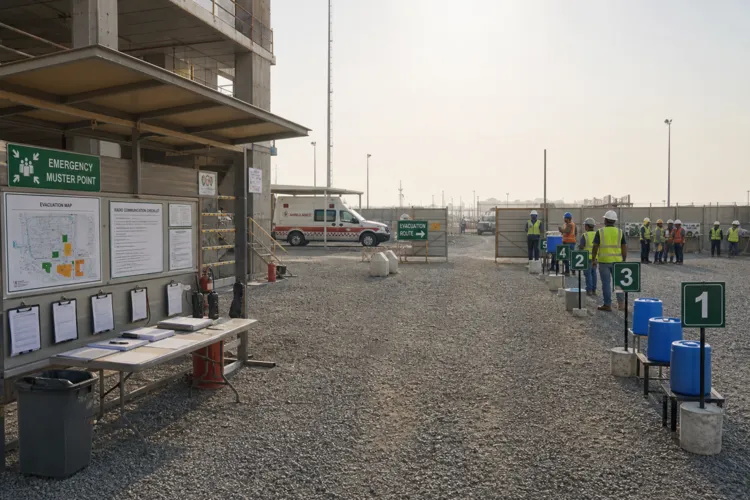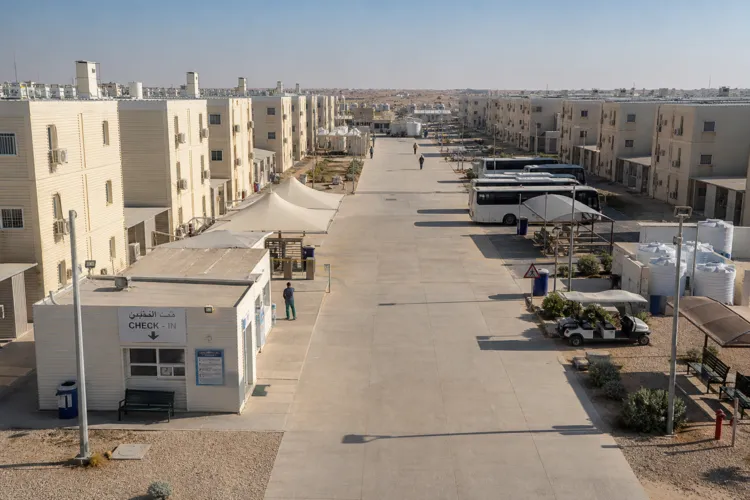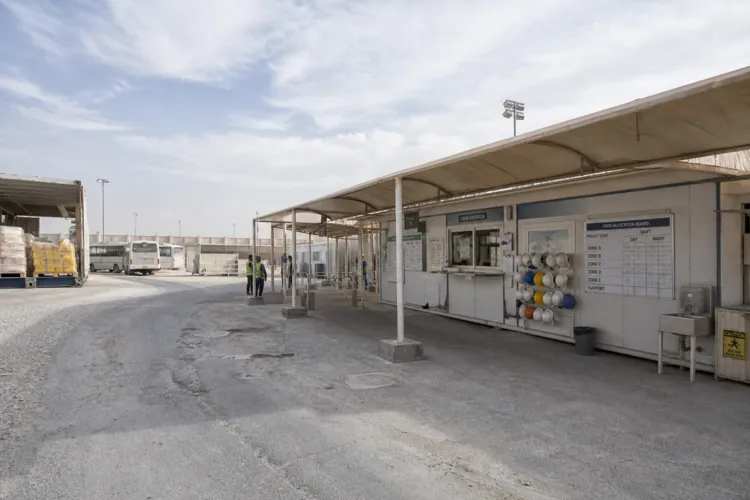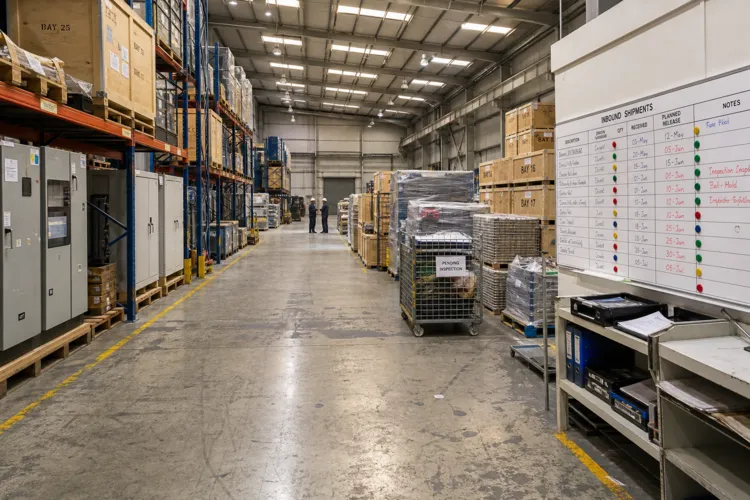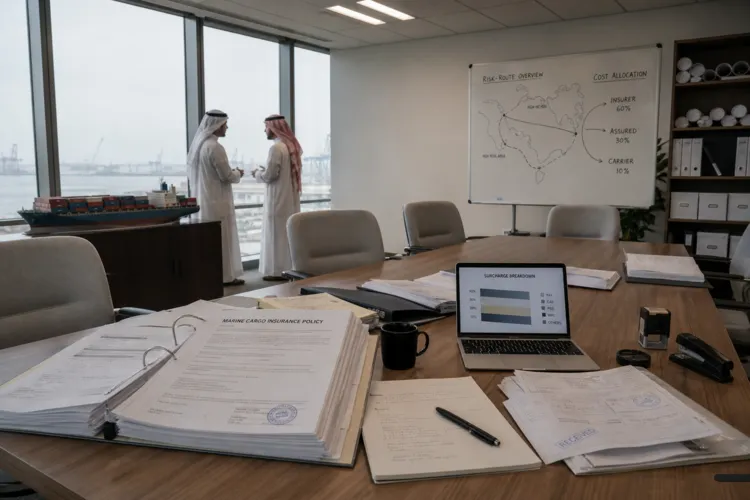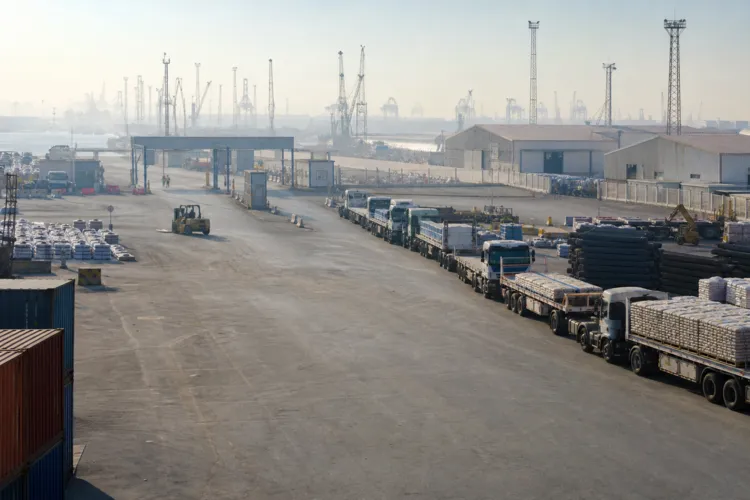
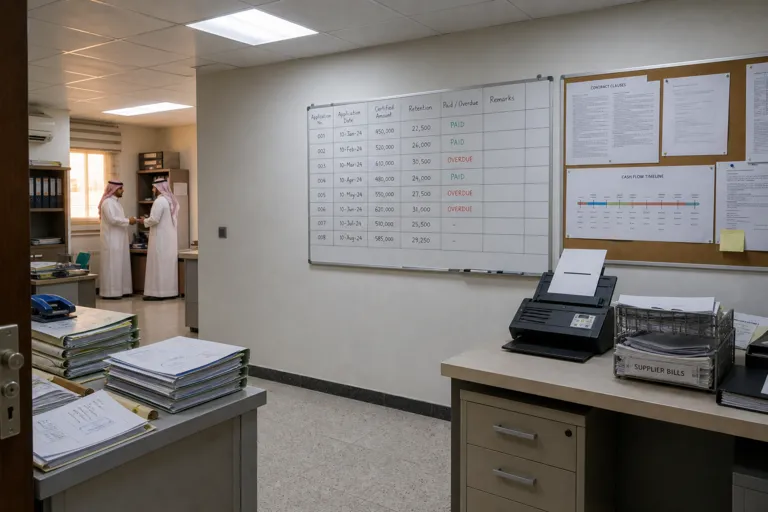
Saudi Arabia’s construction boom is being framed as a defining delivery test for Vision 2030, with a combined value of announced projects exceeding USD 1.3 trillion. The same pipeline also concentrates risk. A Vision 2030 risk assessment notes peak workforce demand of an estimated 1.5–2 million construction workers, and highlights that recruitment competition and remote logistics raise wages and costs. In this environment, subcontractors can be exposed when a main contractor’s cash conversion cycle breaks. The result is not only slower payments, but also higher dispute frequency and a sharper need to understand how insolvency is handled in the Kingdom.
That pressure is showing up in formal processes. An AGBI analysis reports that bankruptcy filings in Saudi Arabia almost doubled in the first quarter, driven by higher financing costs, tighter bank credit, and weaker economic activity. It also says strain is most visible in the construction contracting sector, where “deep-rooted liquidity and profitability stress” persists. Project cancellations or delays, partly due to reprioritisation, can hit contractors and their supply chains. Fixed-price contracts are singled out as a trigger because contractors can be unable to absorb rising labour, material, and logistics costs. For subcontractors, these conditions translate into heightened non-payment and variation risk.
Where Contract Terms and Regulation Raise Subcontractor Exposure
Contract structure matters because it defines how fast stress travels downstream. Chambers and Partners notes that the most common construction contracts used in Saudi Arabia stem from FIDIC, and that FIDIC contracts are commonly modified, often in favour of the employer. The redistribution of risk can be extensive, and the engineer’s role is often limited, with employer approval required for various important decisions. At the same time, the legal and compliance backdrop is evolving. Chambers points to the New Civil Transactions Law enacted by Royal Decree No. M/191/2023 and the Saudi Building Code enacted by Royal Decree No. M/43/2017, amended by Royal Decree M/15/2019 and Royal Decree M/88/2024, with the 2024 update mandatory from 30 June 2025 after a 180-day transitional period. These shifts can add cost and schedule sensitivity that magnifies payment-chain tension.
Market reports describe how these pressures can culminate in contractor failures. Mordor Intelligence’s real estate overview states contractor margins compressed to mid-single digits and that three Riyadh mid-tier builders filed for bankruptcy in 2024. The same source says international contractors now demand escalation clauses that add 15% contingencies to giga-project packages, reflecting an attempt to hedge volatility. In parallel, AGBI notes Saudi Arabia’s bankruptcy regime was introduced in 2018 as part of Vision 2030, and quotes the view that a contractor entering preventive settlement can be one “the market can potentially recover tomorrow,” which is the outcome the 2018 Bankruptcy Law was designed to produce. For subcontractors, the practical takeaway is that distress may move into formal procedures earlier than in the past, making early monitoring essential.
Subcontractor risk also rises when macro expansion meets execution bottlenecks. GlobalData expects the construction industry in Saudi Arabia to grow by 3.6% in real terms in 2026, supported by foreign direct investment, and reports GaStat data showing a net FDI inflow of SAR 72.3 billion (USD 19.3 billion) in the first nine months of 2025, up 32.7% year on year. Growth, however, does not eliminate insolvency risk when costs and capacity constraints bite. A separate Saudi boom assessment stresses that extreme heat can require mandatory rest during peak hours, reducing effective working hours, while remote sites require camps and logistics that add cost and complexity. In that context, subcontractors should treat contractor insolvency and bankruptcy law in Saudi Arabia as a live operational risk, not a rare legal event.
Why are subcontractors more exposed when a main contractor is under fixed-price terms?
What evidence is there that contractor failures are becoming more visible in Saudi Arabia?
How does Saudi Arabia’s 2018 Bankruptcy Law relate to contractor insolvency risk?
What contract trends can increase downstream risk for subcontractors on Saudi projects?
What does the keyword topic—contractor insolvency, bankruptcy law, and subcontractor risk in Saudi Arabia—mean in practice on giga-projects?
Talk to us for your needs in:
-
Sustainable Construction Solutions
-
Strategic Construction Planning
-
Customer-Centric Construction Services
-
Operational Excellence in Construction
-
Leadership and Change Management for Construction
-
Digital Transformation in Construction
-
Saudi Construction Market Research
-
In-Depth Market Study for Construction
-
Market Intelligence and Insights in Construction
-
Feasibility Study and Assessment in Construction
-
Saudi Construction Benchmarking