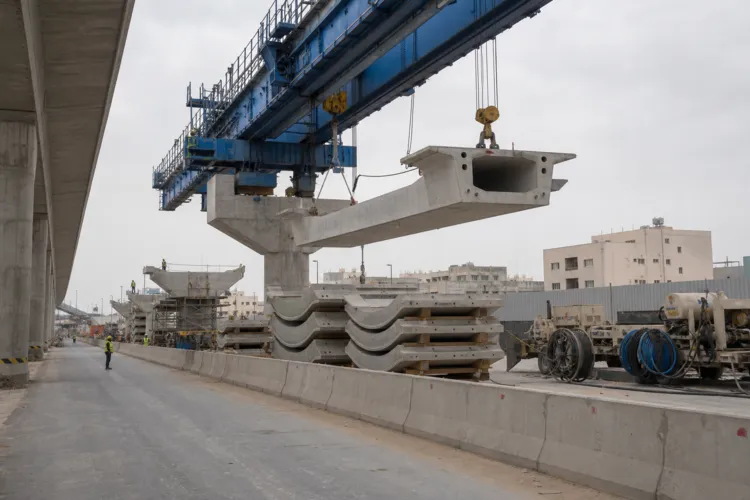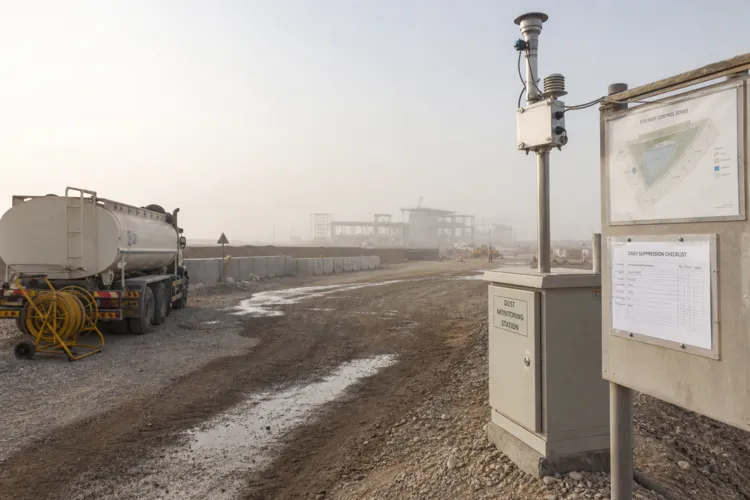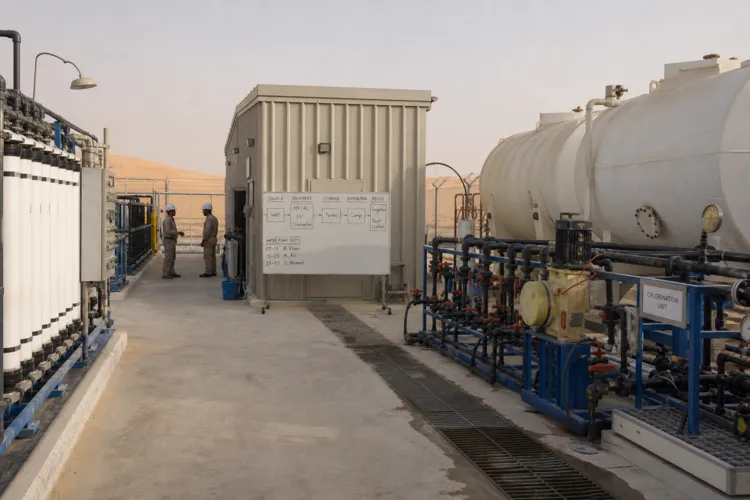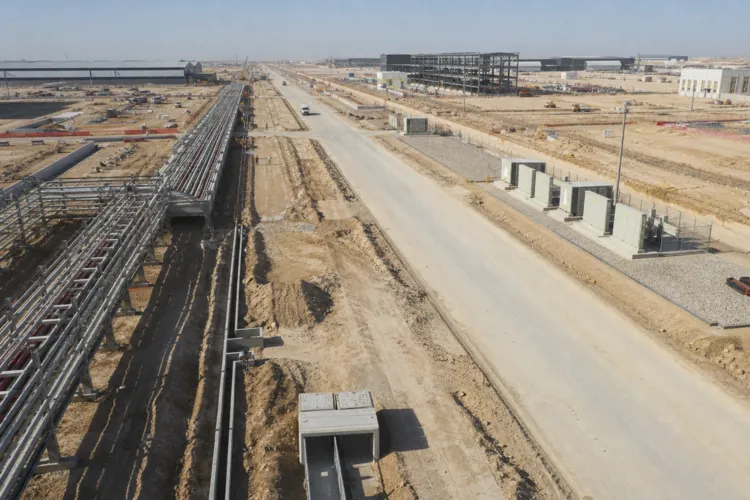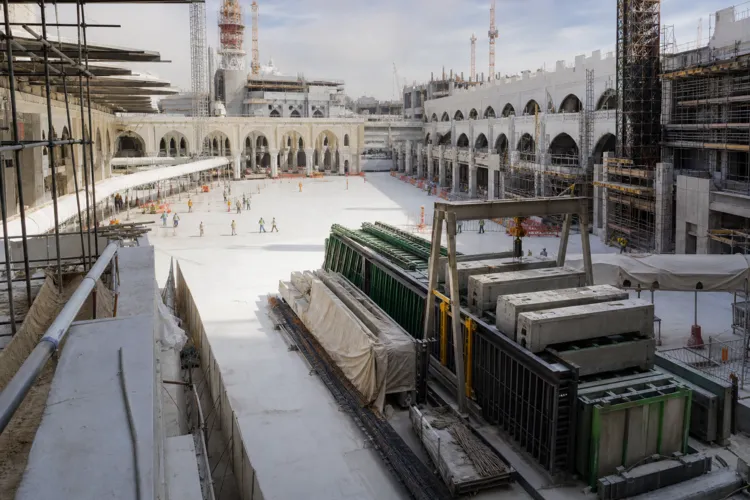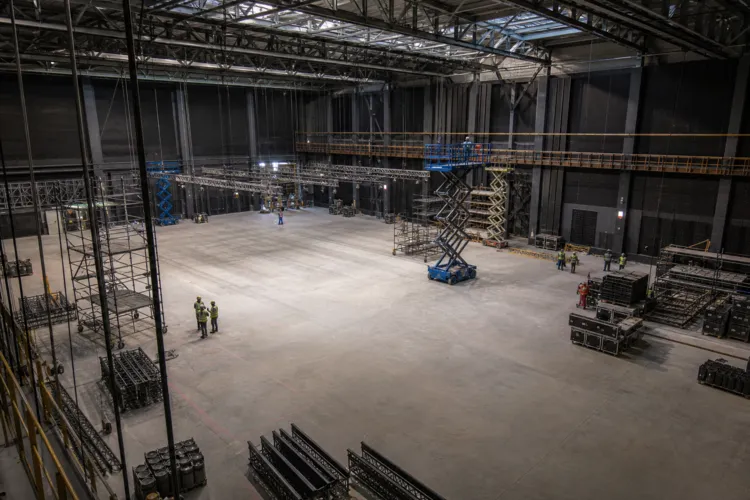
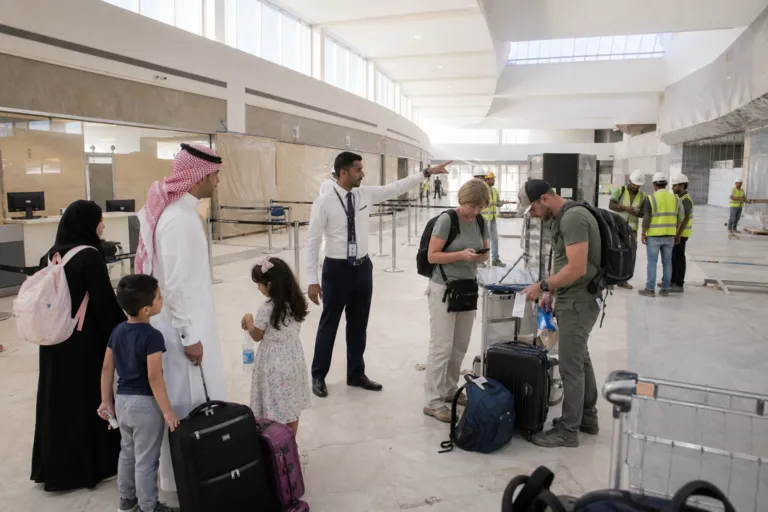
In the Vision 2030 era, Saudi Arabia’s aviation story is not only about building headline hubs. It is also about regional gateways that connect new destinations and distribute demand beyond the traditional entry points. The National Transport and Logistics Strategy frames transport as an integrated system linking airports with rail, ports, logistics zones, and road freight, with the practical goal of reducing trade friction and moving pilgrims and visitors at scale. Within that network logic, regional airports play a distinct role: they support tourism and regional development rather than functioning only as domestic connectors, and they help emerging destinations compete for high-value travel flows.
The measurable scale of aviation demand puts urgency behind this regional focus. GACA reported Saudi airports handled about 140.9 million passengers in 2025, including 76 million international and 65 million domestic travelers, while air cargo reached about 1.18 million tons. Those figures sit alongside tourism momentum. In 2025, Saudi Arabia welcomed approximately 122 million domestic and international visitors, a five percent year-on-year increase. International arrivals reached 30.4 million, up 18.2 percent from the previous year, generating SAR 300 billion in tourism spending, a six percent increase. Tourism’s total contribution to GDP climbed to approximately SAR 318 billion, accounting for 7.1 percent of GDP in 2025, compared with 5.8 percent in 2024.
Red Sea and AlUla: Growth That Depends on Sensitive Planning and Access
Stakeholder narratives tie destination success to how access is built and managed, especially in places defined by environmental and heritage value. Respondents associated the Red Sea Project with marine conservation, low-density development, renewable-energy systems, and careful visitor management. Several participants acknowledged tension between large-scale construction and ecological sensitivity, but argued environmental constraints had been institutionalized within planning rather than treated as public-relations add-ons. AlUla also featured prominently in those narratives as an illustration of how giga-project destinations become part of a wider repositioning strategy. In that same discussion, interviewees described airport modernization as especially consequential because aviation is the enabling layer that makes rapid hotel and destination scaling plausible.
External demand signals are reinforcing that logic, raising the value of reliable long-haul connectivity to the Kingdom’s gateway system. Direct flight capacity between Greater China and Saudi Arabia surged by approximately 91% in 2025 compared with 2024, described as one of the fastest intercontinental aviation expansions in global tourism. The same source frames premium destinations such as AlUla and Red Sea developments as well positioned to capture that demand. It also points to structured routes linking major Chinese hubs—Beijing, Shanghai, Guangzhou, and Shenzhen—with Saudi destinations including Riyadh, Jeddah, and Dammam. In practice, that kind of network growth increases pressure to make secondary and regional access pathways seamless once visitors arrive.
That is why the conversation around regional airport construction in Saudi Arabia cannot be separated from system integration and visitor distribution. The transport and logistics agenda explicitly emphasizes connecting airports with other modes and services so the network performs end-to-end, not just as standalone assets. It also singles out regional airports such as Abha airport and AlUla airport as supporting tourism and regional development. In parallel, Vision 2030 tourism narratives describe investments that expand airport infrastructure and strengthen the overall visitor ecosystem, while digital technologies, including AI-driven tools, are presented as a way to distribute demand beyond Riyadh, Jeddah, or Makkah by guiding travelers toward emerging destinations that match their interests.
Why does regional airport construction matter for Saudi Arabia’s Vision 2030 tourism push?
What 2025 figures show the scale of Saudi aviation demand?
How strong was Saudi Arabia’s tourism momentum in 2025?
What signal suggests rising long-haul connectivity relevant to Red Sea and AlUla demand?
How do strategy documents describe the role of regional gateways like AlUla and Abha?
Talk to us for your needs in:
-
Sustainable Construction Solutions
-
Strategic Construction Planning
-
Customer-Centric Construction Services
-
Operational Excellence in Construction
-
Leadership and Change Management for Construction
-
Digital Transformation in Construction
-
Saudi Construction Market Research
-
In-Depth Market Study for Construction
-
Market Intelligence and Insights in Construction
-
Feasibility Study and Assessment in Construction
-
Saudi Construction Benchmarking