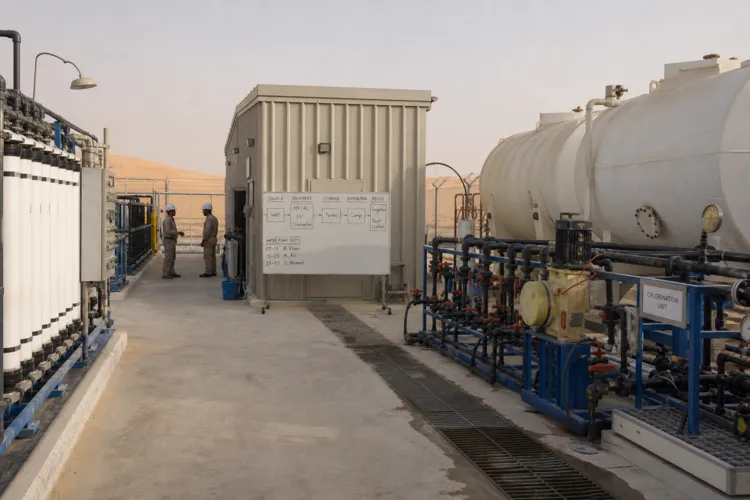
Saudi Arabia’s water buildout is being shaped by a simple constraint: limited natural water resources, paired with demand growth. Multiple sources frame the Kingdom as the world’s largest desalination market and the world’s largest producer of desalinated water. Desalination already supplies a large share of national water needs, including figures of 70% of total supply from desalinated seawater and 79% of urban requirements met by desalination. By 2030, one projection puts desalination at 92% of urban needs, while another states a plan to meet 90% of total water demand using desalinated water, with 10% from ground and surface water. This shift keeps EPC delivery and heavy civil packages central to the pipeline of projects.
In the near-term, capacity expansion is being organized through structured procurement. SHARAKAT (the new name of Saudi Water Partnerships Company) is described as the Kingdom’s designated offtaker of desalinated water, and as a key procurer across water assets. Under one plan, its IWP portfolio is projected to almost double from 3.88 million m³/day in 2025 to 7.18 million m³/day by 2031. Projects already under construction include Rabigh 4 at 600,000 m³/day, targeted for commercial operations in 2026, and Ras Mohaisen Phase 1 at 100,000 m³/day targeted for 2028, followed by a second phase adding 200,000 m³/day in 2030. A separate market source also points to mega-scale plants such as Ras Al Khair and Rabigh 3, each producing more than 1 million cubic meters per day.
EPC Meets PPP: Civil Works Extend Beyond the Plant Fence
Saudi delivery models are evolving from conventional EPC-only approaches toward PPP structures that still rely on strong construction execution. Since 2019, SWPC has rolled out IWPs and standardised contracts, with 20- to 30-year concessions where the private side finances, builds, and operates while SWPC commits to offtake and pays under long-term contracts. For transmission pipelines and strategic reservoirs, procurement historically used conventional EPC, but a World Construction Network report states the government is using PPPs for these assets for the first time in the Kingdom and the region. These frameworks include Independent Water Transmission Pipeline (IWTP) and Independent Strategic Water Reservoir (ISWR) models, with availability-based payments and concession periods typically 30–35 years. SHARAKAT’s pre-qualification approach has also scaled participation, with more than 50 local, regional, and international developers prequalified.
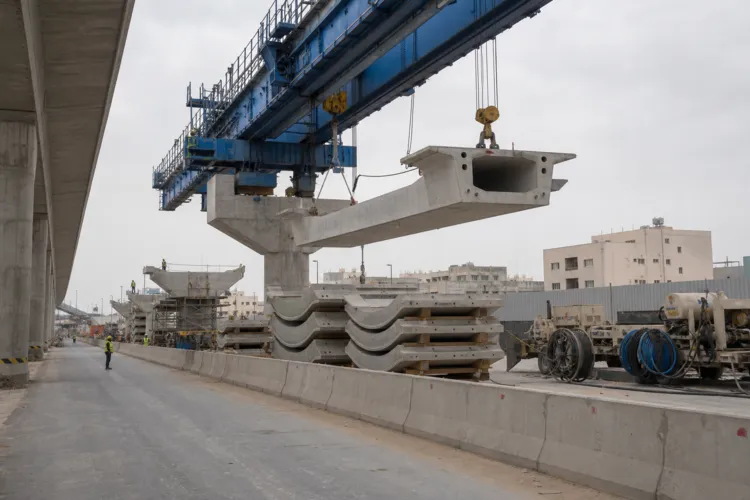
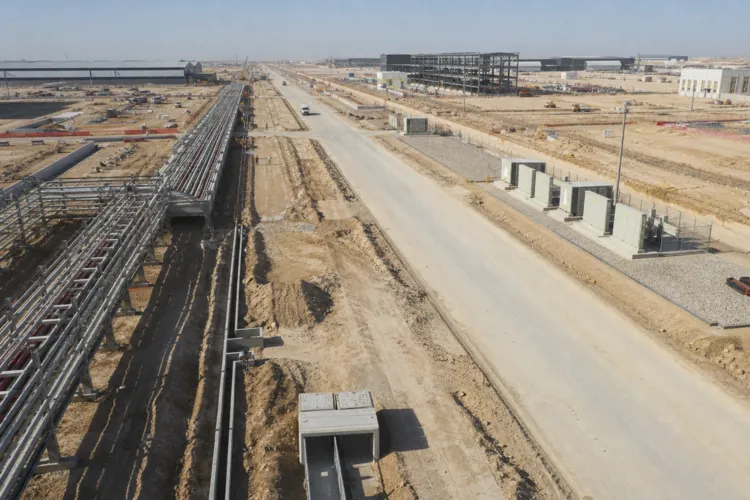
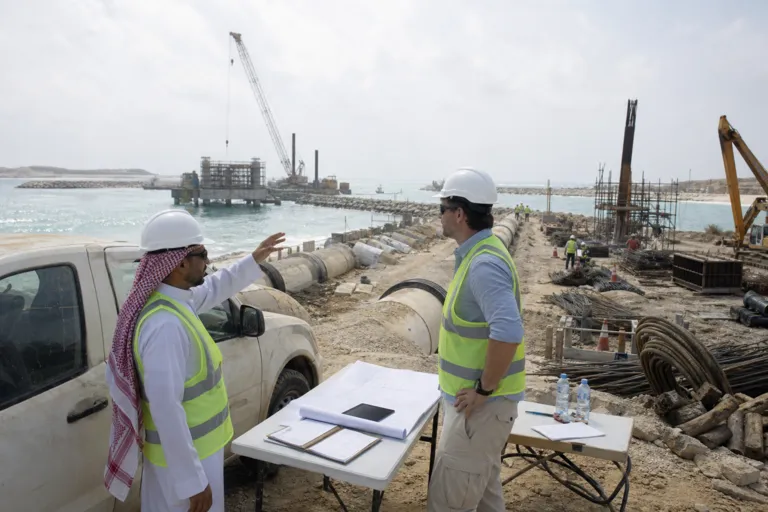
For seawater desalination plant construction Saudi Arabia, the “backbone” is not only membranes and process buildings but the long-distance civil works that move water to where it is consumed. One report highlights that much of the bulk production is on the Gulf coast, over 400 km from Riyadh and its 7 million residents, while Jeddah, Mecca, and Medina are served by Red Sea plants. Potable water demand is projected to reach 17.08 million m³/day by 2030, which increases the importance of transmission lines and storage that can absorb demand spikes, including peak periods such as the pilgrimage season when Mecca’s population surges. In CAPEX terms, a Middle East market report estimates civil and marine works at approximately 18% of total expenditure, reinforcing why groundworks, intake/outfall interfaces, and enabling infrastructure remain decisive for schedule and risk.
Investment framing reinforces why procurement and construction trends matter. One investment guide estimates cumulative water sector investment requirements through 2030 at SAR 80 to 100 billion. A separate report ties the National Water Strategy 2030 to a target of attracting over SAR 204 billion ($64 billion) in private-sector investment across five water asset classes by 2030, including transmission and storage. Another source states it is anticipated that the supply of desalinated water will deliver 2.18 billion m3/year, while also noting opportunities for consultants and contractors across networks, pipelines, tanks, pumps, and meters. Put together, the picture is of a market where EPC capability, civil-works scale, and PPP bankability are converging into a single delivery system, linking coastal production to inland demand.
How is Saudi Arabia expanding desalination capacity under SHARAKAT’s IWP program?
Why are transmission pipelines and reservoirs becoming central to project delivery?
What PPP terms are being used for Saudi water transmission and storage projects?
How significant are civil and marine works in desalination project CAPEX?
What is driving seawater desalination plant construction in Saudi Arabia and its related civil works?
Talk to us for your needs in:
-
Sustainable Construction Solutions
-
Strategic Construction Planning
-
Customer-Centric Construction Services
-
Operational Excellence in Construction
-
Leadership and Change Management for Construction
-
Digital Transformation in Construction
-
Saudi Construction Market Research
-
In-Depth Market Study for Construction
-
Market Intelligence and Insights in Construction
-
Feasibility Study and Assessment in Construction
-
Saudi Construction Benchmarking