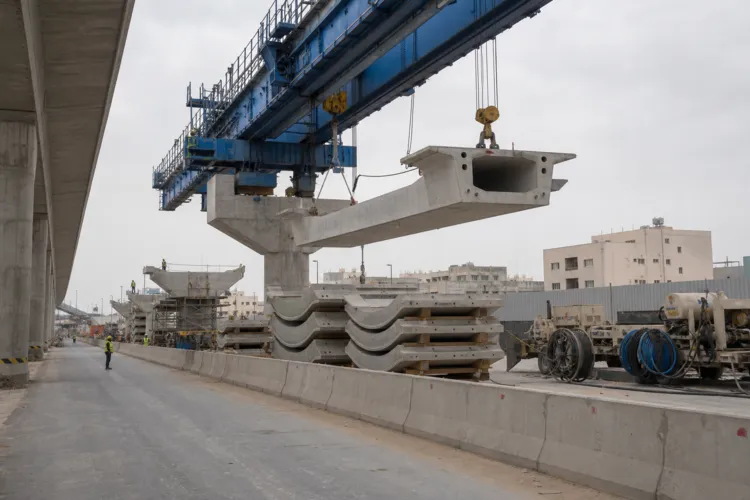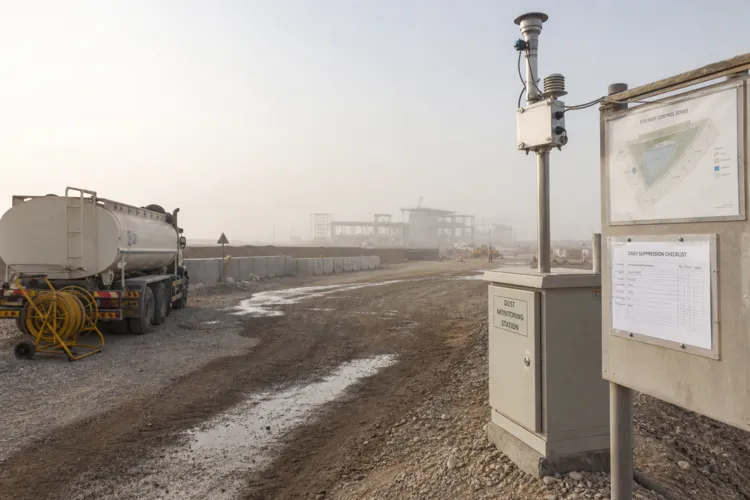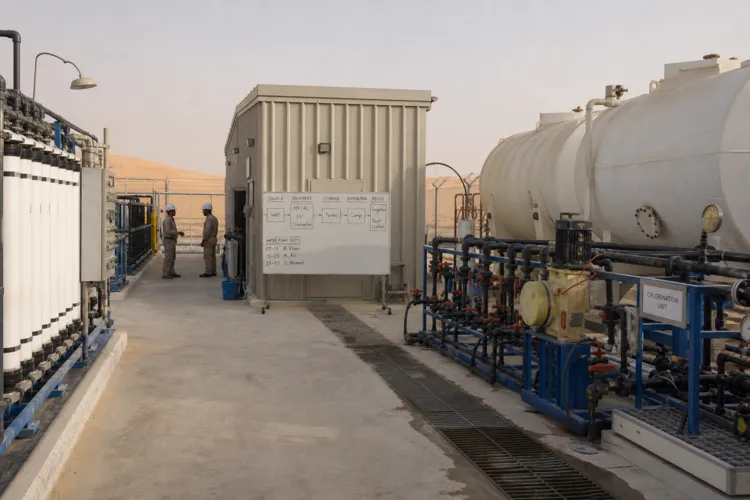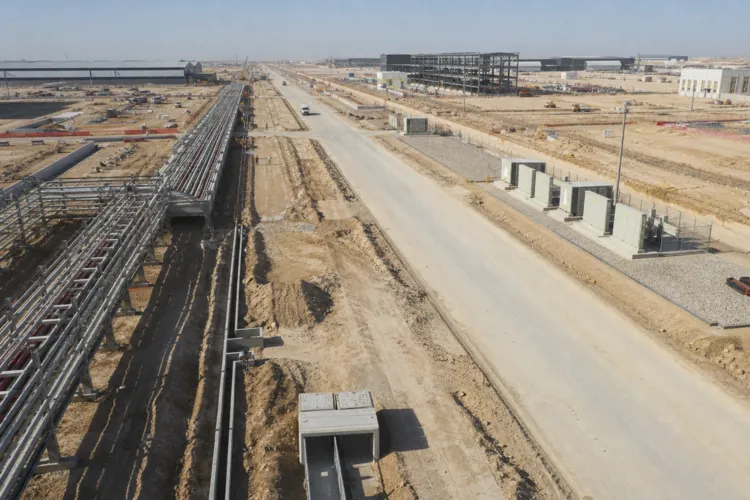
Saudi Arabia’s CCUS agenda is moving into a new phase. A Mindsets-led discussion hosted with AmCham stated that the concept phase is now over and the technology has entered the execution phase. That matters for civil and construction teams. Execution requires corridors, constructability, and interfaces across multiple industrial sites. The same discussion also noted that the Eastern Province is leading the way in building capacity. For contractors, that points to near-term workpackages in the province, plus a wider push to translate engineering readiness into on-the-ground delivery.
One central delivery idea is to build CCUS “hubs” rather than standalone projects. The Mindsets report recommended integrated projects because single sites can be relatively cost-ineffective. Shared infrastructure, including pipelines across multiple industries, can drive down costs and improve commercial viability. That is a civil-heavy strategy. It pulls forward scope such as corridor planning, crossings, tie-ins, and interface management between emitters and shared CO₂ transport. It also increases the value of clear packages, because multiple owners and contractors must align on specifications, schedules, and access to common rights-of-way.
What the Workpackages Look Like on the Ground
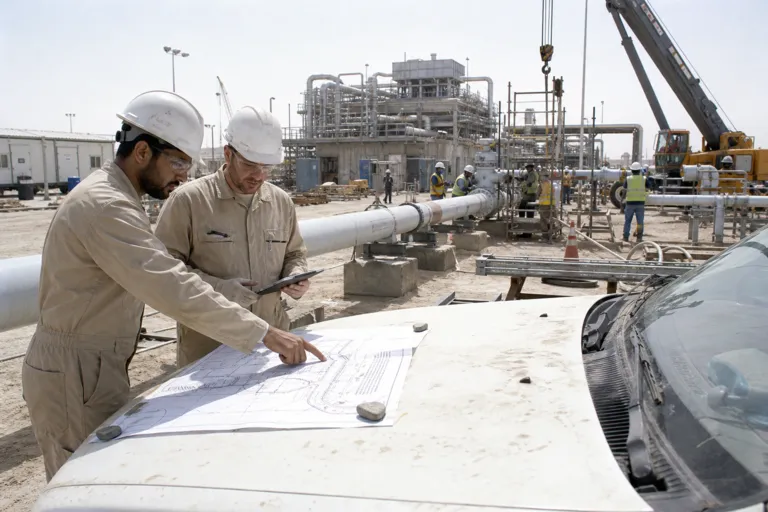
Pipeline and construction language already dominates major awards in the Kingdom, even outside CO₂ service. World Oil reported that Aramco awarded Subsea7 an offshore EPCI contract valued between $750 million and $1.25 billion. The scope covers 106 kilometers of infield and export pipelines, modifications to existing topsides, and associated hook-up activities. Saipem also received two offshore CRPO contracts under its long-term agreement with Aramco. One includes EPCI of approximately 34 km of pipeline with 20” and 30" diameters, plus related topside works at Berri and Abu Safah. The other includes subsea interventions at Marjan and EPC of 300 m of onshore pipeline and associated tie-ins.
For CCUS pipeline corridors, pre-commissioning becomes a visible line item rather than an afterthought. On the UK’s Northern Endurance Partnership CO₂ transport and storage project, IKM Testing’s scope under main contractor Saipem included pipeline flooding, cleaning, gauging, and hydrotesting. The same report described these as core pre-commissioning activities required to verify integrity and ensure systems are ready for safe CO₂ injection and long-term operation. The detail is useful for Saudi planning. It shows how CO₂ transport systems translate into discrete packages, from test plans and temporary systems to documentation, safety controls, and acceptance gates.
Digital delivery also shapes how CCUS civil scope gets built and coordinated, especially where multiple industries converge on shared infrastructure. A KSA-focused press release from GBS cited outcomes from integrated workflows, including up to 30% reduction in design rework through model coordination and clash detection, and 20% faster project delivery enabled by real-time collaboration and digital review workflows. It also noted enhanced cost control using cloud-based document management, version tracking, and connected issue resolution. In a hub-and-corridor CCUS model, these gains can reduce interface risk between emitters, pipeline packages, and tie-in points that must align on geometry and as-built data.
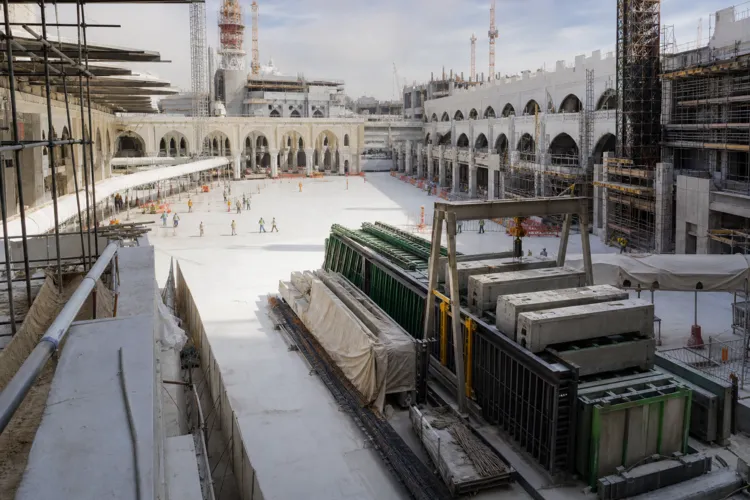
CCUS execution also sits inside a broader construction surge driven by Vision 2030. Global Construction Review reported Diriyah’s $63.2bn transformation, with a first phase designed to host 100,000 residents and attract up to 50 million annual visits. While this is not a CCUS project, it illustrates the scale of multi-package delivery already underway in the Kingdom. For carbon capture construction projects Saudi Arabia, the takeaway is practical. Contractors will need to package work for shared pipelines, topsides modifications, tie-ins, and testing, while also operating in a market where mega-schemes compete for the same talent, yards, and construction management capacity.
Why are CCUS hubs important for carbon capture construction projects Saudi Arabia?
Which Saudi region is highlighted as leading CCUS capacity building?
What types of construction scope show up in major Saudi pipeline contracts that resemble CCUS corridor work?
What pre-commissioning activities are cited for CO₂ pipeline infrastructure?
What digital delivery gains are cited in KSA construction programs that could matter for CCUS interfaces?
Talk to us for your needs in:
-
Sustainable Construction Solutions
-
Strategic Construction Planning
-
Customer-Centric Construction Services
-
Operational Excellence in Construction
-
Leadership and Change Management for Construction
-
Digital Transformation in Construction
-
Saudi Construction Market Research
-
In-Depth Market Study for Construction
-
Market Intelligence and Insights in Construction
-
Feasibility Study and Assessment in Construction
-
Saudi Construction Benchmarking