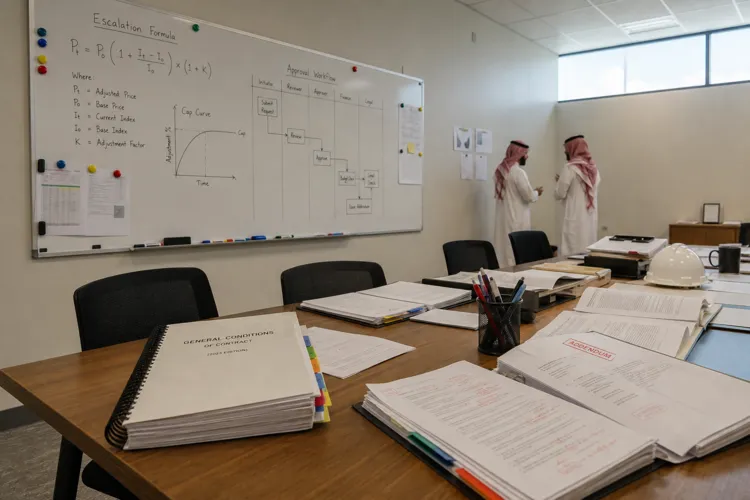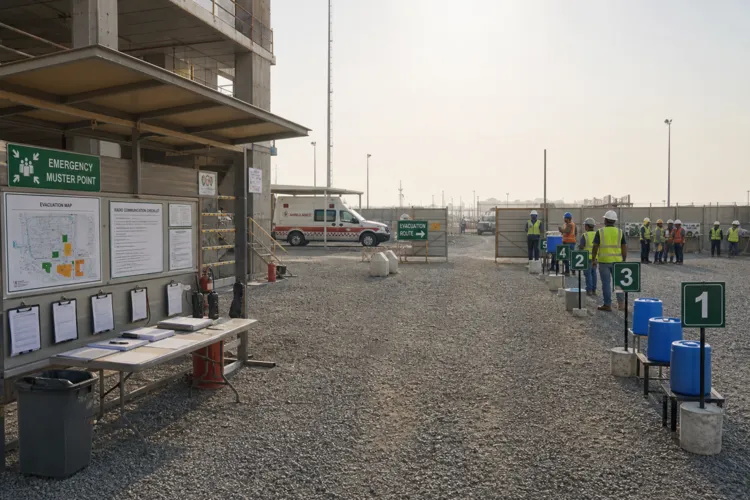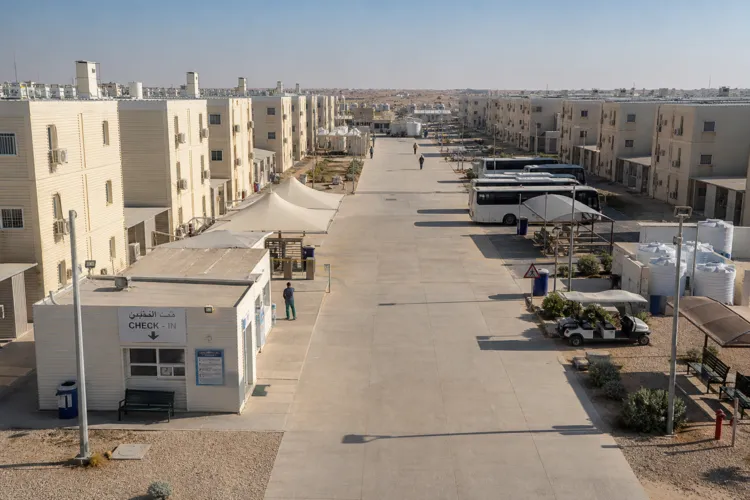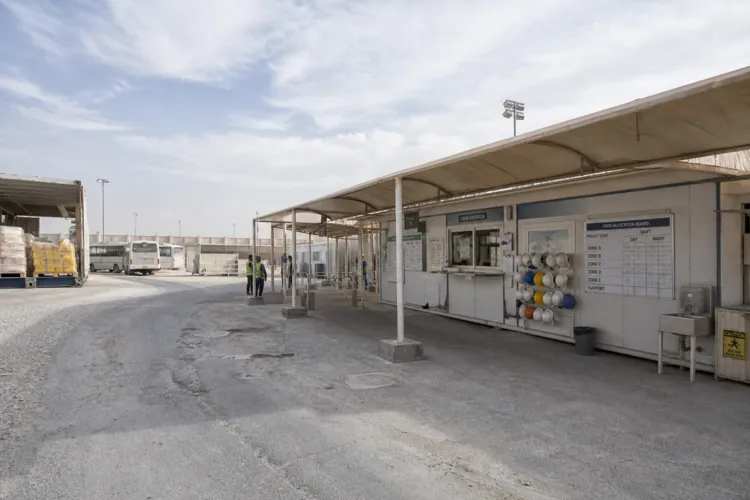
Construction cost inflation Saudi Arabia 2026 cannot be explained by one lever. It is a mix of imported materials exposure, labor market adjustments, and a risk premium that grows when cashflows and schedules feel less predictable. Saudi Arabia’s Minister of Finance said the government will continue expansionary spending in the 2026 budget, with total expenditure expected to reach SR1.31 trillion in 2026. He also noted that some phases may show temporary negative returns due to the import of equipment and materials. That import dependence matters when global volatility hits transport, energy, and trade flows.
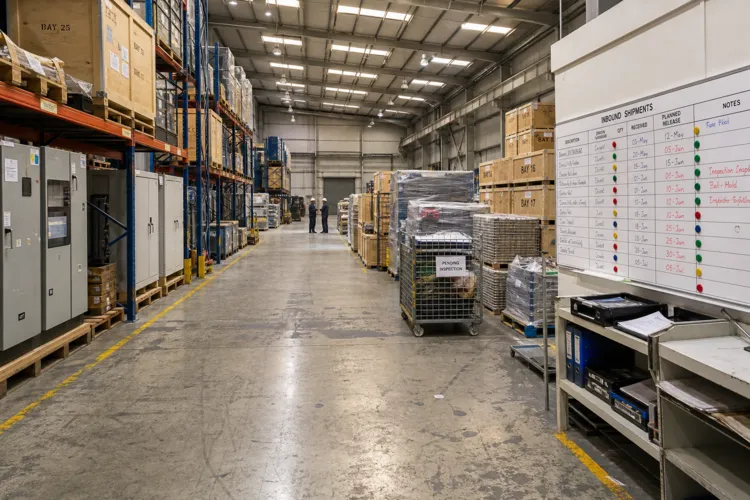
Imported materials are the first transmission channel for inflation. A Construction News analysis tied current conflict fallout to higher costs for imported materials, with steel specifically flagged as an area that may come under additional pressure. Another Construction News report showed how fast individual material lines can move in a stressed market: aggregates were up 8.4%, fabricated structural steel 8.2%, and non-aqueous paint 6.1% in the year to end-March 2026, based on government figures in that report. Those figures are not Saudi data, but they illustrate why import-heavy packages can reprice quickly and why contingencies become harder to defend.
Labor and Energy: Two Different Stories
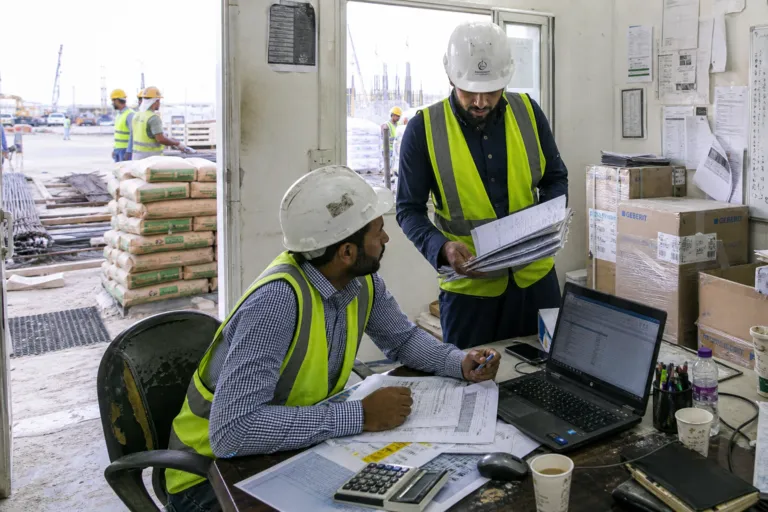
Labor costs are not purely about shortages. Reuters reported that Saudi firms are scaling back generous salary premiums that once lured top foreign talent, with recruiters saying premiums were reduced amid a cost-cutting drive and increased competition. Reuters also said Saudi private sector salaries are now comparable to the UAE. That shift can reduce headline premium pressure for some imported roles, but it does not remove execution risk. If packages are less “sticky,” retention risk can rise, and contractors may price in extra management and productivity buffers instead of direct wage escalation.
Energy reforms add a second layer because they hit materials and logistics simultaneously. A MarketMinute report said Saudi Aramco’s 2026 adjustments include a 35% spike in diesel and HFO costs, and noted this would likely force cement companies to raise retail prices, potentially cooling construction demand. The same report described the change as a “normalization” of industrial costs, emphasizing that Saudi ethane prices converging with global benchmarks levels the playing field. For projects, that translates into higher input uncertainty for energy-intensive materials and more conservative tender allowances.
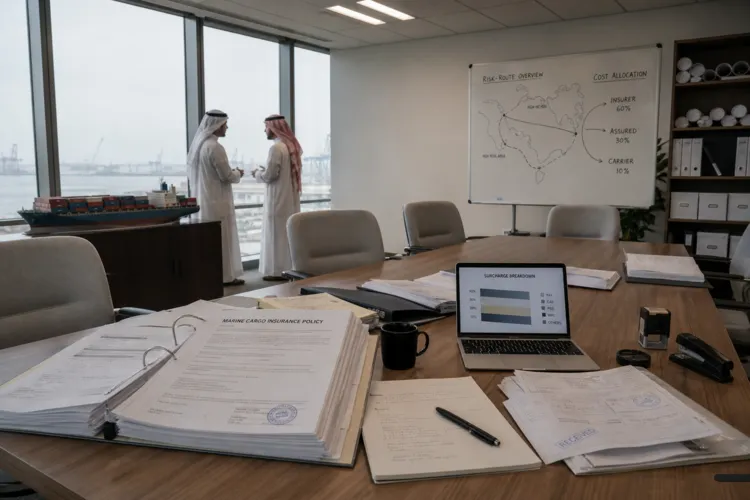
The final component is the risk premium, driven by uncertainty and liquidity. Construction News described how conflict-related uncertainty can soften confidence and create a more challenging environment, with input costs rising while demand weakens, sometimes leading to work being secured at less sustainable levels. In Saudi-related market commentary, the Architects’ Journal said consultants and contractors are waiting longer for payments and many projects are being financially recalibrated due to rising construction costs and timeline pressures. It also noted a squeeze on liquidity tied to hydrocarbons funding. When payment timing and scope certainty deteriorate, pricing shifts from “cost plus margin” to “cost plus margin plus risk.”
So the decoding is practical. Imported materials create rapid repricing exposure, especially in steel-linked scopes. Labor costs may not surge through premiums in the same way if salary premiums are scaled back, but delivery risk can still rise and be priced indirectly. Energy price normalization, including the 35% diesel and HFO cost spike cited, pressures cement and transport-sensitive packages. And when projects are recalibrated and payments slow, the risk premium becomes the silent driver of construction cost inflation Saudi Arabia 2026, even before any single line item spikes.
What is driving construction cost inflation Saudi Arabia 2026?
How do imported materials affect project budgets in 2026?
Are labor costs still rising through expatriate salary premiums?
Why does energy reform matter to construction pricing?
What is a “risk premium” in today’s Saudi construction tenders?
Talk to us for your needs in:
-
Sustainable Construction Solutions
-
Strategic Construction Planning
-
Customer-Centric Construction Services
-
Operational Excellence in Construction
-
Leadership and Change Management for Construction
-
Digital Transformation in Construction
-
Saudi Construction Market Research
-
In-Depth Market Study for Construction
-
Market Intelligence and Insights in Construction
-
Feasibility Study and Assessment in Construction
-
Saudi Construction Benchmarking