
Real estate developer licensing Saudi Arabia is becoming a key topic for anyone selling or funding off-plan projects. Licensing rules can shape who is allowed to market a project, what checks are required, and how buyers and lenders judge risk. If the rules tighten, the impact often shows up first in off-plan sales speed and in how easily a project can raise money.
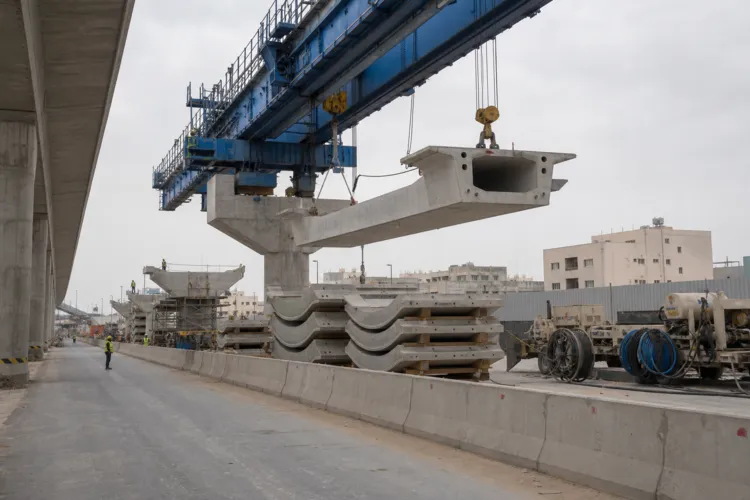
To understand why, it helps to define the developer’s role. A real estate developer turns land or an existing property into a new project. The work includes acquiring land, evaluating feasibility, securing financing, and coordinating the construction team. Developers also work with lenders, investors, architects, engineers, contractors, and planning authorities to move a project from concept to completion.
Licensing and compliance rules can also affect what paperwork sits behind an off-plan sales plan. In some markets, off-plan systems use escrow accounts that are closely monitored by regulators and managed by approved trustee banks. In Dubai, buyer payments must be deposited into escrow, and developers can access funds in stages aligned with project completion. Dubai Law No. (9) of 2007 also requires developers to deposit at least 20% of the project’s construction cost upfront in cash or via a bank guarantee before marketing or sales, and violations can bring heavy fines and potential imprisonment.
How Licensing Pressure Spills Into Project Financing
Financing is where licensing discipline can become a direct test of “bankability.” Real estate development financing is a multi-tiered capital arrangement that must sustain a project through land acquisition, entitlements, vertical construction, and eventual stabilization. If a project completes but fails to meet stabilization targets, the developer may not secure permanent financing. This is described as “Gap Risk,” and some lenders manage it through “mini-perm” extensions that give more time to stabilize.
Lenders also tend to ask for detailed project documentation. One developer-loan process describes a full dossier that can include a technical and financial feasibility study, building licence (or its procedural status), approved architectural plans, a detailed budget, a sales programme, and corporate documentation. Banks often require a minimum level of pre-sales, typically 30–50%, before the first drawdown. Some well-structured deals with alternative capital can finance up to 70–75% of total project cost (land plus construction).
Licensing and compliance can influence the sales side, too. A separate rule change discussed in the context of home sales highlights that more complex transactions, such as cash deals, an investment property held in an LLC, or an inherited home going into a trust, may need new disclosures or paperwork. The stated goal is to prevent illegal financial activity like money laundering, but it can still add steps for legitimate deals. For off-plan projects, extra checks can affect timelines unless the developer plans for them early.
Why does real estate developer licensing Saudi Arabia matter for off-plan projects?
What do lenders commonly ask for in a developer loan application?
How do pre-sales affect construction loan drawdowns?
What is “Gap Risk” in real estate development financing?
Talk to us for your needs in:
-
Sustainable Construction Solutions
-
Strategic Construction Planning
-
Customer-Centric Construction Services
-
Operational Excellence in Construction
-
Leadership and Change Management for Construction
-
Digital Transformation in Construction
-
Saudi Construction Market Research
-
In-Depth Market Study for Construction
-
Market Intelligence and Insights in Construction
-
Feasibility Study and Assessment in Construction
-
Saudi Construction Benchmarking