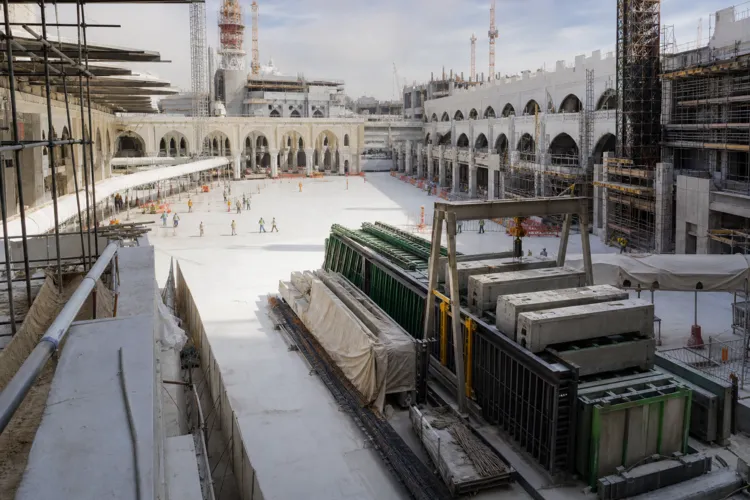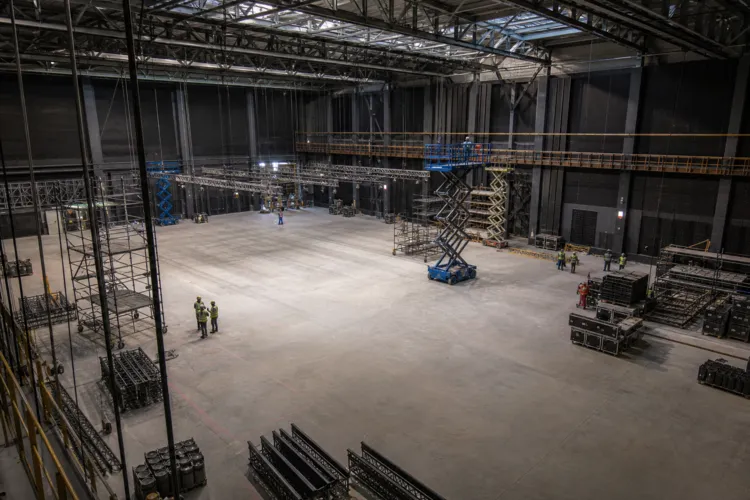
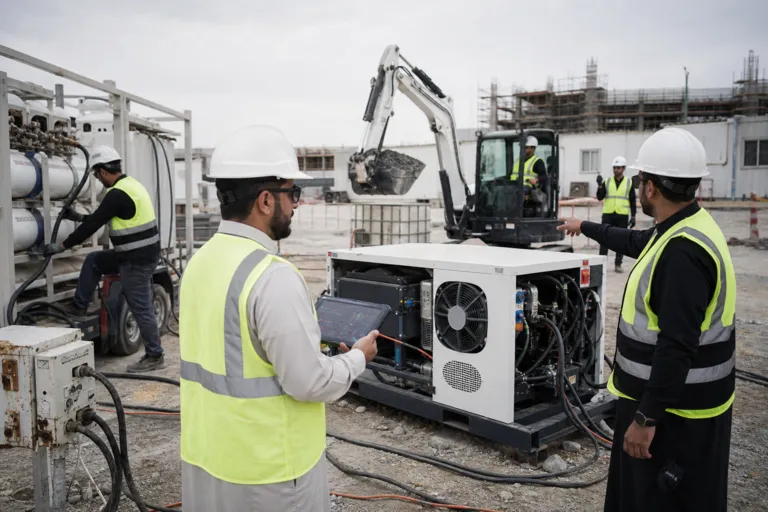
Pilots for hydrogen fuel cell construction equipment in Saudi Arabia are getting a lift from the country’s expanding green-hydrogen project pipeline and the practical needs of large jobsites. A recurring reference point is the NEOM Green Hydrogen Project, where Air Products reported construction milestone progress in September 2025. Grand View Research describes the project as integrating large-scale renewable power generation with electrolysis-based hydrogen production to supply green ammonia for global export markets. Precedence Research also frames Saudi Arabia as a regional leader, citing massive giga-projects, government backing, and early launches such as NEOM. For contractors, this matters less as a headline and more as a signal that hydrogen supply and related infrastructure are being built around where construction activity is concentrated.
One way hydrogen shows up first on a jobsite is power, not propulsion. IndexBox’s view of the portable hydrogen powered generator market in Saudi Arabia describes mobile units that convert hydrogen into electricity via fuel cells (PEMFC or SOFC), hydrogen internal combustion engines (Hydrogen ICE), or hybrids with a battery buffer. It reports that the typical unit deployed in 2026 is in the 30–80 kW range, up from 10–50 kW in 2023. The same source says Air Products is active, leveraging its involvement in the NEOM green hydrogen project, while diesel genset manufacturers such as Caterpillar, Cummins, and Kohler have introduced hydrogen-capable generator models or hydrogen fuel cell integration kits. The message for site managers is straightforward: hydrogen pilots can start by replacing or supplementing diesel temporary power, then expand into off-road equipment as systems and fuel logistics mature.
NEOM-Linked Scale, Logistics, and What Construction Can Pilot Next
Scale and schedule shape what is realistic to pilot. Market.us states that Saudi Arabia’s NEOM project is targeting 2 GW operational capacity by 2027, and it also describes the project as designed with 1.6 GW wind, 2.2 GW solar, and 4 GW renewable transmission capacity, and over 80% complete. The same source adds a valuation of around USD 8.4 billion and says it is expected to produce nearly 600 tons of clean hydrogen per day once fully operational. Separately, Grand View Research highlights the project’s purpose of producing green ammonia for global export markets, which implies large-volume hydrogen handling and conversion on-site. For construction pilots, this kind of hub can de-risk early deployments by concentrating supply, storage experience, and skilled system integration near major builds.
Even with flagship projects, barriers remain at the jobsite level. IndexBox lists constraints such as high-cost, low-volume fuel cell stack production, limited availability of certified mobile hydrogen storage vessels, specialized system integration and safety engineering expertise, and immature hydrogen logistics for remote refueling. It also notes an expected acceleration period between 2028 and 2031, tied to commissioning of Saudi Arabia’s first large-scale green hydrogen production facilities and tighter emissions standards for off-road mobile machinery. The same report says the average selling price per kW is declining at a rate of 4–6% per year, and points to the development of hydrogen refueling stations in Riyadh, Jeddah, and Dammam as gradually reducing the fuel-supply bottleneck for portable generators. For contractors, these details suggest a phased approach: start with contained-duty cycles and centralized refueling, then expand where logistics are strongest.
Global market direction also reinforces why pilots are happening now, even if most jobsite deployments remain early. Mordor Intelligence values the hydrogen generation market at USD 185.49 billion in 2025 and projects growth to USD 242.55 billion by 2031. It reports that transportation fuel applications are expected to grow at a 19.89% CAGR through 2031, while electrolysis is projected to expand at a 10.44% CAGR to 2031. Its segmentation also shows grey hydrogen held 97.62% share in 2025, while green hydrogen is expected to advance at a 34.30% CAGR through 2031. These figures are global, not Saudi-specific, but they align with what Saudi mega-projects are trying to enable: more low-carbon supply and more end-use cases. On the ground, that translates into more reason to trial hydrogen-fueled power modules, refueling workflows, and eventually heavy equipment packages that can work within Saudi Arabia’s emerging hydrogen corridors and industrial clusters.
What is the NEOM Green Hydrogen Project described as in the sources?
What generator sizes are being deployed for portable hydrogen jobsite power in Saudi Arabia?
Which companies are mentioned as offering hydrogen-capable generator models or fuel cell integration kits?
How does NEOM’s planned scale relate to piloting hydrogen fuel-cell construction equipment in Saudi Arabia?
What are the key barriers to wider hydrogen jobsite deployments in Saudi Arabia?
Talk to us for your needs in:
-
Sustainable Construction Solutions
-
Strategic Construction Planning
-
Customer-Centric Construction Services
-
Operational Excellence in Construction
-
Leadership and Change Management for Construction
-
Digital Transformation in Construction
-
Saudi Construction Market Research
-
In-Depth Market Study for Construction
-
Market Intelligence and Insights in Construction
-
Feasibility Study and Assessment in Construction
-
Saudi Construction Benchmarking