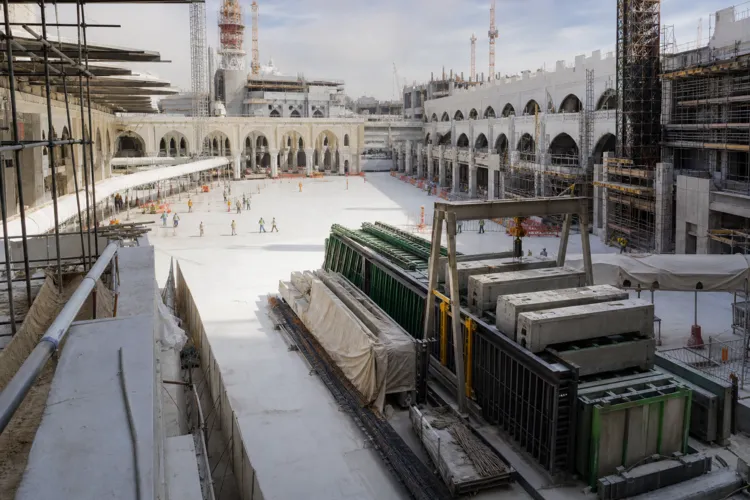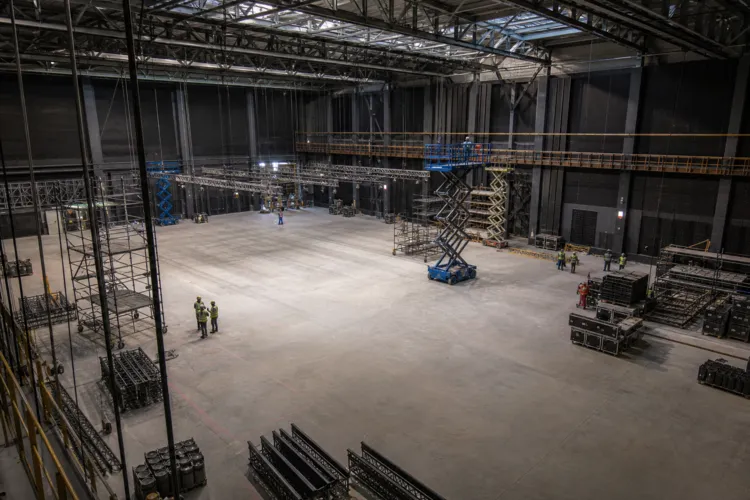
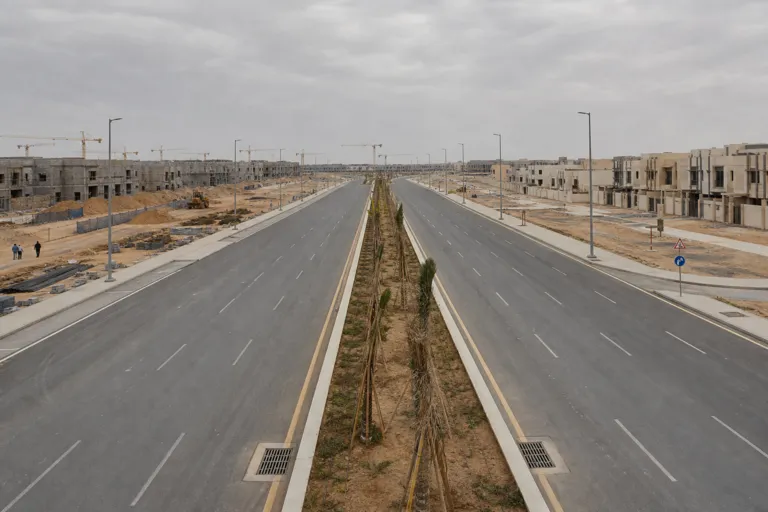
Saudi Arabia’s residential market is in an active build cycle, with demand and policy both pushing supply forward. In H1 2025, nearly 93,700 housing transactions were completed, up 7% year-on-year, with a total value of US$20.6 billion (SAR 77.5 billion). In the same period, the Sakani platform introduced around 26,000 new off-plan units, and nearly 9,200 units were delivered to beneficiaries. Over 5,200 residential plots were also made available, bringing the total to more than 170,000 plots, while over 48,000 Saudi families moved into their first homes. These signals matter for contractors because master-planned delivery depends on sequencing utilities, roads, and community services in parallel with housing.
NHC sits at the center of this shift from “land delivery” to community delivery. The company was established by royal decree in 2016 as the investment and development arm of what is now the Ministry of Municipalities and Housing, and a 2020 royal order transferred ownership to the state. NHC manages residential suburbs and assets accounting for around 20% of total real estate product sales in Saudi Arabia. It also states it has over 39 major projects across 25 urban destinations in 17 cities, with a 62% off-plan market share. In project naming, it leads large-scale residential and mixed-use development such as Dahiyat AlFursan and Dahiyat Khuzam in Riyadh and Dahiyat Makkah Gate in Makkah, positioning infrastructure as part of the unit offer.
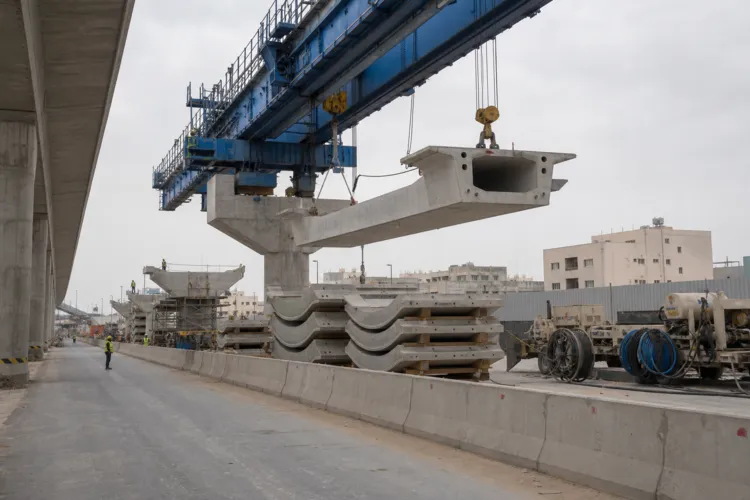
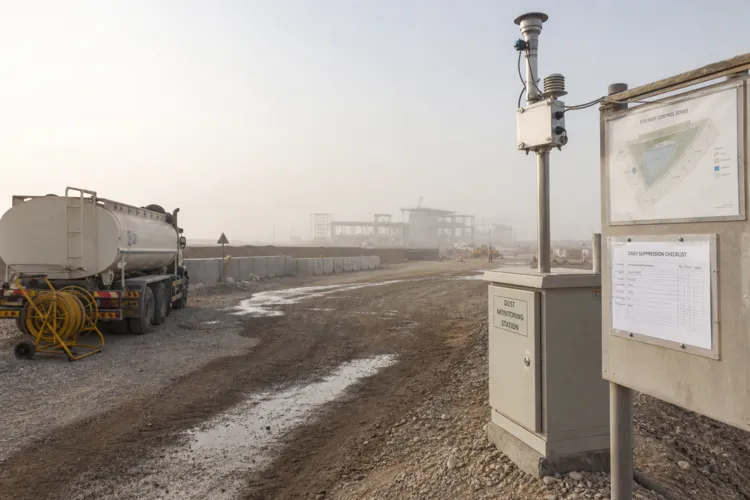
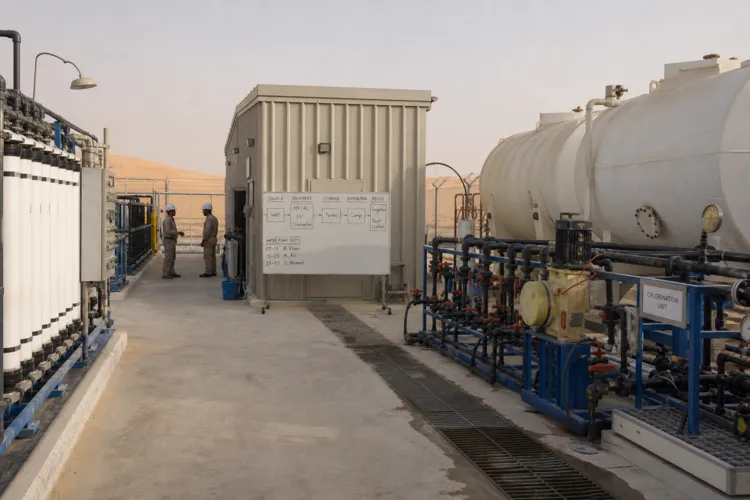
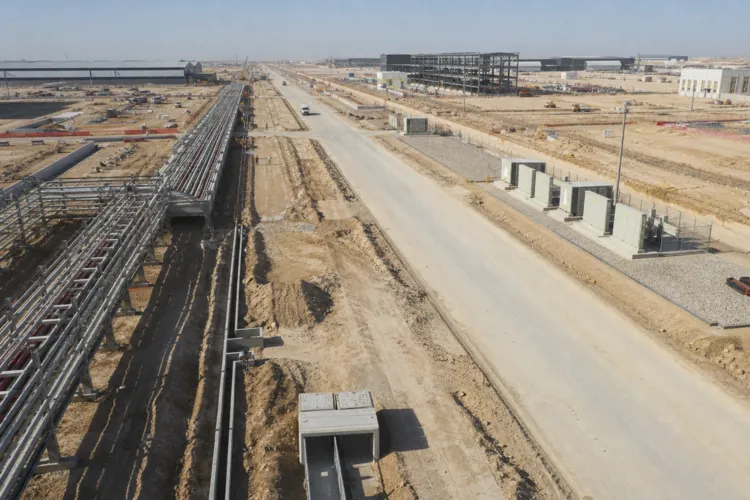
Infrastructure-First Master Planning: What It Changes for Contractors
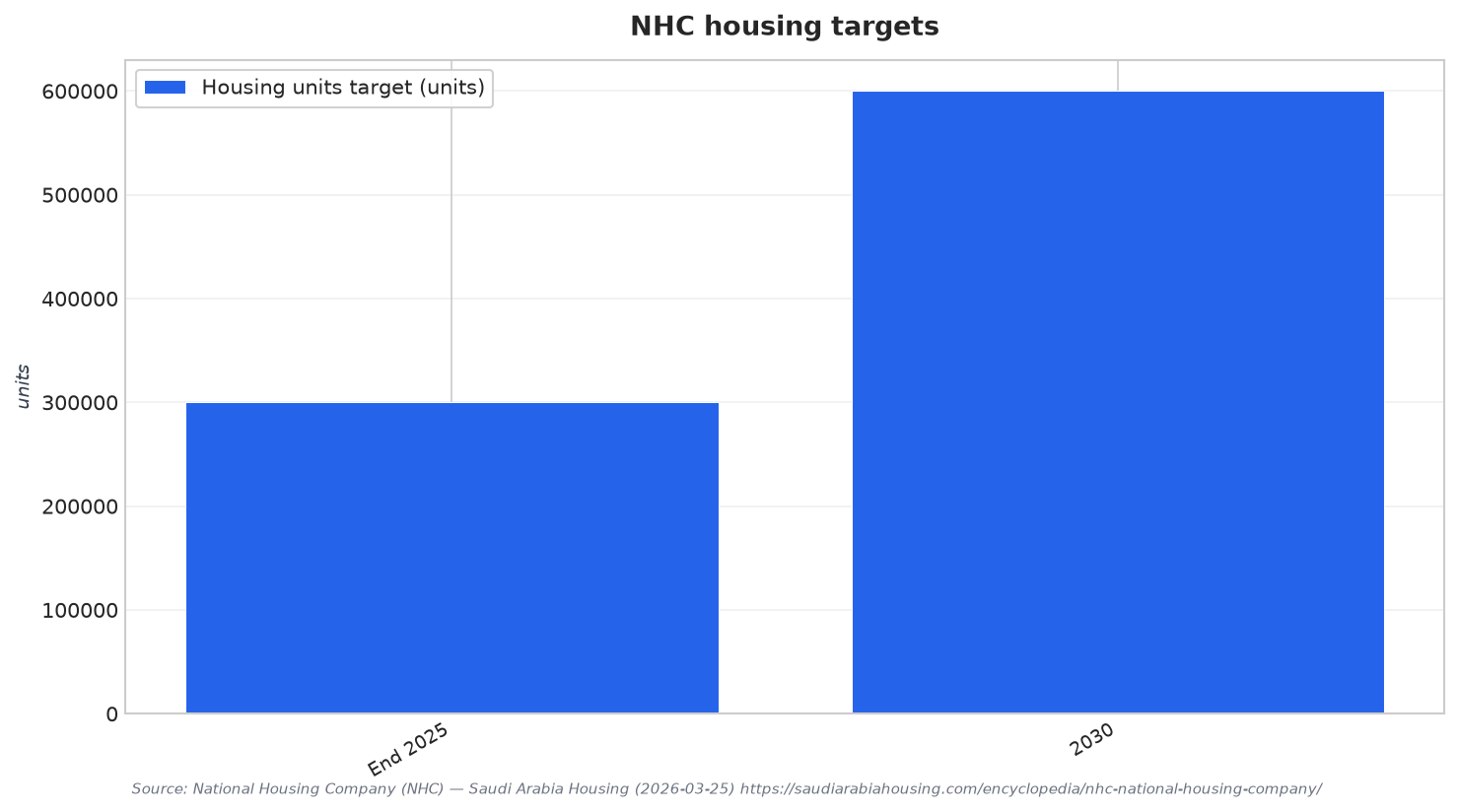
NHC’s leadership frames the shift clearly: master planning is meant to raise living standards by planning infrastructure, and to “sell a unit, not a land,” executed through private-sector developers and NHC itself. For delivery scale, NHC targets 300,000 units by end 2025 and 600,000 by 2030, backed by a SAR 220 billion government allocation, and it has said over 60,000 families have moved into NHC developments. A flagship example is SEDRA in Riyadh, described as spanning 20 million square metres with 30,000 homes across eight phases, projected to house over 130,000 people. That kind of phasing creates repeatable packages for civil works, utilities, public realm, and housing shells, with handovers tied to infrastructure readiness.
Contractor pathways also run through procurement and localization. NHC’s Supply Pro platform links developers directly with manufacturers and suppliers and currently offers more than 1,500 products from 129 factories and 45 suppliers; NHC says this helps reduce development costs by around 20%. At a supply-chain level, NHC cited supply chain localization agreements and industrial partnerships worth more than SAR 21 billion, including SAR 8 billion in supply chain service agreements, SAR 5 billion in industrial localization initiatives, and 15 supply contracts worth more than SAR 8 billion. Supply Pro handled transactions exceeding SAR 2 billion over the past two years, with Saudi factories and SMEs accounting for 95% of the activity. For firms competing in NHC master planned community construction in Saudi Arabia, that mix rewards contractors who can align with localized materials, standardized specifications, and transparent purchasing.
Broader market indicators reinforce why suburban master plans are being scaled now. The homeownership rate reached 65.4% by end 2024 in one report, while another cited the 2025 Vision 2030 annual report showing 66.24%, both above the interim 65% target for 2025, with a 70% goal by 2030. Mordor Intelligence estimates the Saudi residential real estate market at USD 44.85 billion in 2025, forecasting USD 47.58 billion in 2026 and USD 65.58 billion by 2031, with a CAGR of 6.63% over 2026–2031. In delivery commitments, NHC signed a USD 665 million agreement with China State Construction Engineering to deliver 20,000 housing units. Meanwhile, NHC is described as having a US$40 billion development pipeline, and it launched more than 134,000 housing units with a total value exceeding SAR 100 billion, within its broader plan to make 300,000 units available by end 2025.
What is driving Saudi Arabia’s suburban housing push through NHC?
How big is NHC’s delivery plan for new housing units?
What does “master planning the infrastructure” mean in NHC communities?
Where can contractors plug into NHC’s supply chain and procurement model?
What should firms know about NHC master planned community construction in Saudi Arabia?
Talk to us for your needs in:
-
Sustainable Construction Solutions
-
Strategic Construction Planning
-
Customer-Centric Construction Services
-
Operational Excellence in Construction
-
Leadership and Change Management for Construction
-
Digital Transformation in Construction
-
Saudi Construction Market Research
-
In-Depth Market Study for Construction
-
Market Intelligence and Insights in Construction
-
Feasibility Study and Assessment in Construction
-
Saudi Construction Benchmarking