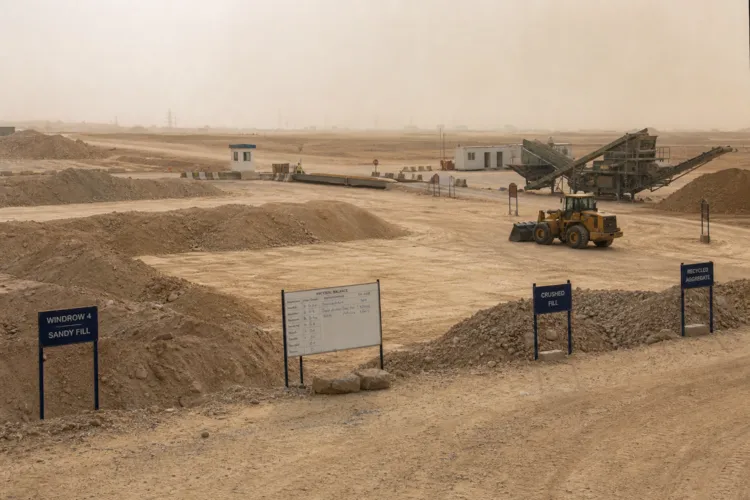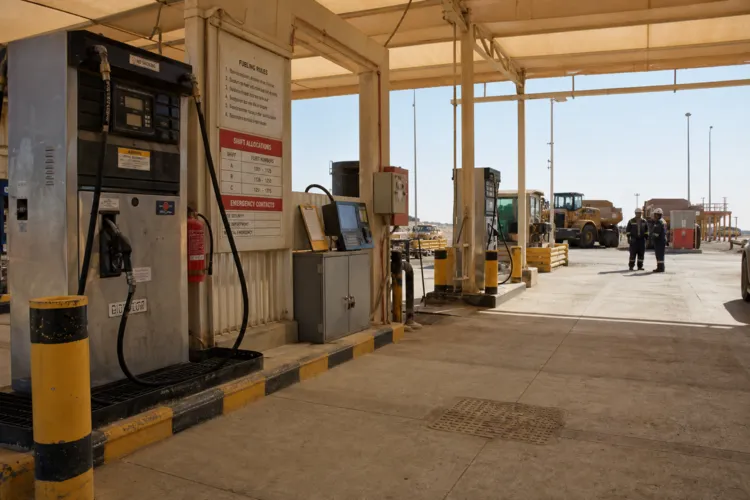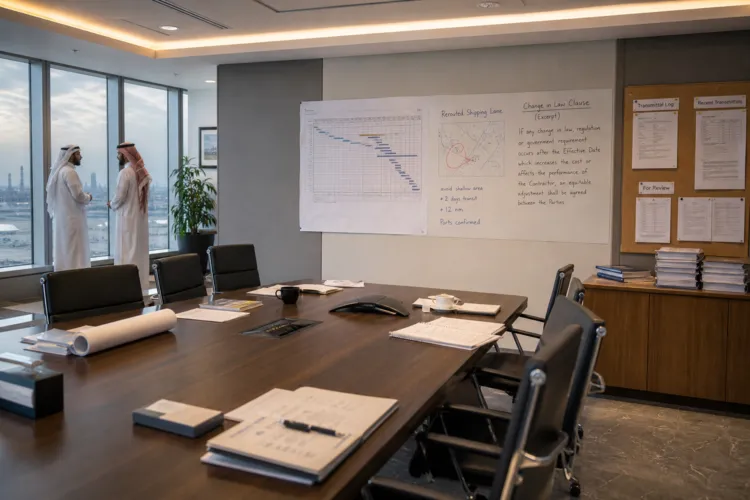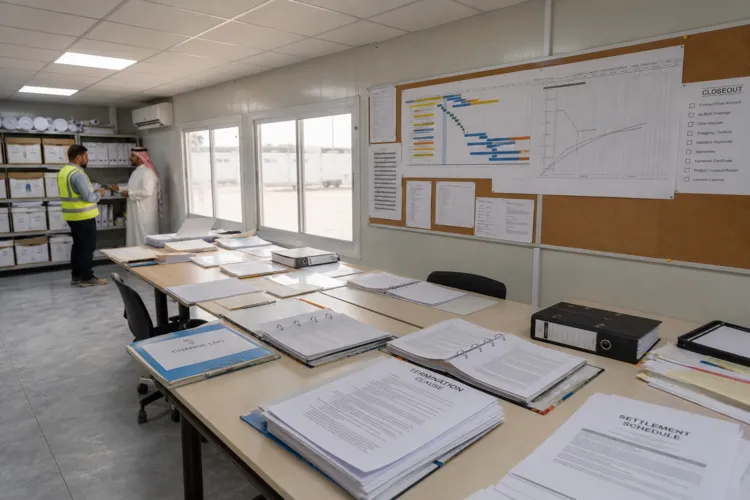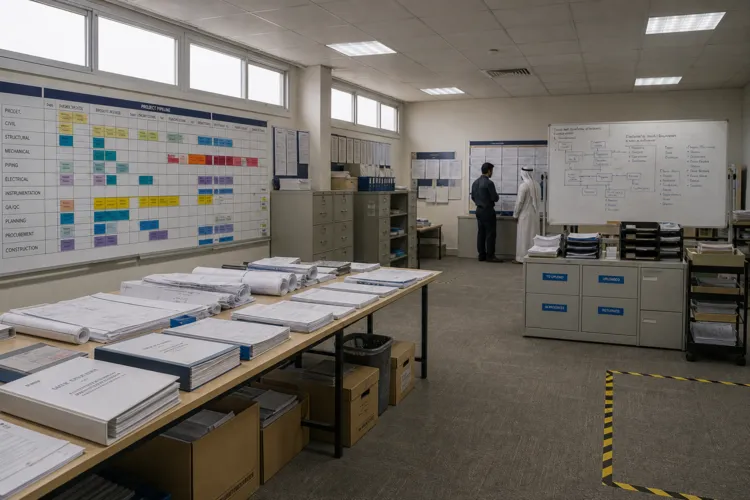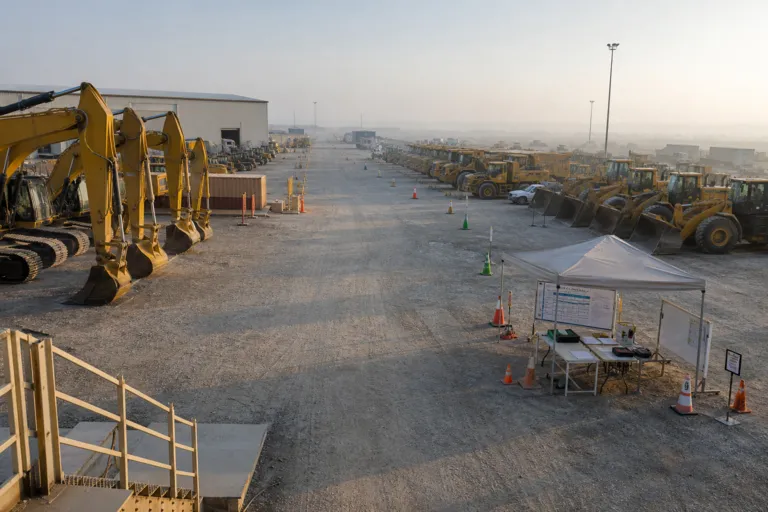
Project suspensions force urgent choices on plant, fleet, and site equipment. The decision is rarely only operational. It is financial, legal, and reputational at the same time. A structured approach to construction equipment demobilization after cancelled projects in Saudi Arabia starts by defining an end state for each asset: return to a controlled yard, redeploy into another active package, or exit through sale. The highest-risk path is improvisation. A plant decommissioning workflow described by Maascompanies frames closure as a senior-led, Program Management Office (PMO)-governed program that sequences inventory and valuation, compliance remediation, targeted marketing and sale, logistics and demobilization, and escrowed closing. The same logic applies to construction fleets when a job stops midstream.
Governance is the first recovery lever. Maascompanies notes that divided ownership is a leading cause of schedule slippage and value leakage in closures, and recommends assigning a single program manager with authority to escalate across legal, operations, and finance. It also outlines an operating rhythm: daily operational standups during active removal phases, weekly cross-functional reviews, and a weekly executive summary to the sponsor and lender, supported by a lightweight risk register that keeps decisions traceable. For equipment, that governance prevents duplicated transport bookings, missing paperwork, and inconsistent disposition decisions that weaken negotiating power when you finally market surplus units.
Inventory, Compliance, and Digital Control Before You Sell
Inventory quality controls everything downstream, from redeployment feasibility to sale timing. Maascompanies emphasizes a credible inventory as the foundation of every downstream decision and recommends centralizing title documents, lien searches, condition reports, and correspondence in a shared repository with version control. It also specifies what each asset record should carry: serial number or VIN, model and manufacturer, physical location, photographic documentation (including a serial plate close-up), maintenance history, OEM documentation, current depreciation basis, and lien or encumbrance status. Compliance should be addressed before marketing. Maascompanies cites Baker McKenzie’s advice to resolve regulatory deficiencies before marketing begins, reducing friction that can delay closings or shrink buyer confidence.
When the plan is “sell,” segment the fleet instead of listing everything at once. Maascompanies recommends immediate triage into three buckets: priority lots for private negotiated sale, mid-tier lots for timed or live auction, and bulk items for liquidator purchase. That sequencing matters in Saudi Arabia because the equipment ecosystem is large and evolving. Ken Research values the KSA Machinery and Equipment Market at USD 25.6 billion in 2025 and projects growth to USD 39.9 billion by 2031 at a forecast CAGR of 7.67%. The same report notes that machinery and electrical equipment imports represented 30.0% of total imports in Q3 2025, signaling how equipment-intensive the investment cycle is. In that environment, targeted marketing and controlled closing mechanics can help sellers avoid rushed discounts when projects pause.
Redeploy decisions benefit from better asset lifecycle tools, not just dispatching. MarketsandMarkets values the Saudi Arabia Enterprise Asset Management (EAM) market at $84.7 million in 2025 and projects it to reach $147.7 million by 2030, a CAGR of 11.8%. That growth aligns with the need to manage physical assets across their lifecycle, including compliance, reporting, and analytics. In parallel, Custom Market Insights expects the Saudi Arabia Construction Equipment Market to post a CAGR of 4.5% from 2024 to 2033 and projects a 2024 valuation of USD 27,025.9 million. For owners navigating a suspension, these signals support a disciplined “demobilize, redeploy, or sell” playbook where data quality, governance cadence, and compliance-first readiness protect recovery outcomes.
What is the safest first step after a Saudi project suspension when equipment is on site?
What should an equipment inventory include before redeploying or selling?
How should surplus fleet be segmented for sale to protect recovery value?
How does the Saudi market context support better asset recovery planning?
How do you approach construction equipment demobilization after cancelled projects in Saudi Arabia without creating compliance risk?
Talk to us for your needs in:
-
Sustainable Construction Solutions
-
Strategic Construction Planning
-
Customer-Centric Construction Services
-
Operational Excellence in Construction
-
Leadership and Change Management for Construction
-
Digital Transformation in Construction
-
Saudi Construction Market Research
-
In-Depth Market Study for Construction
-
Market Intelligence and Insights in Construction
-
Feasibility Study and Assessment in Construction
-
Saudi Construction Benchmarking