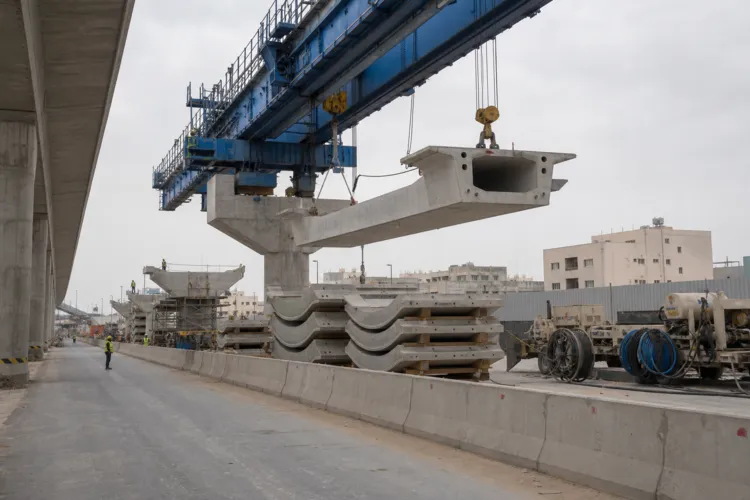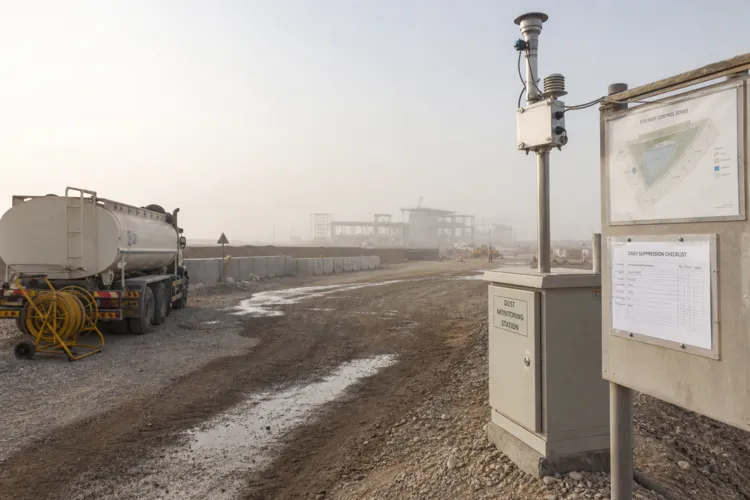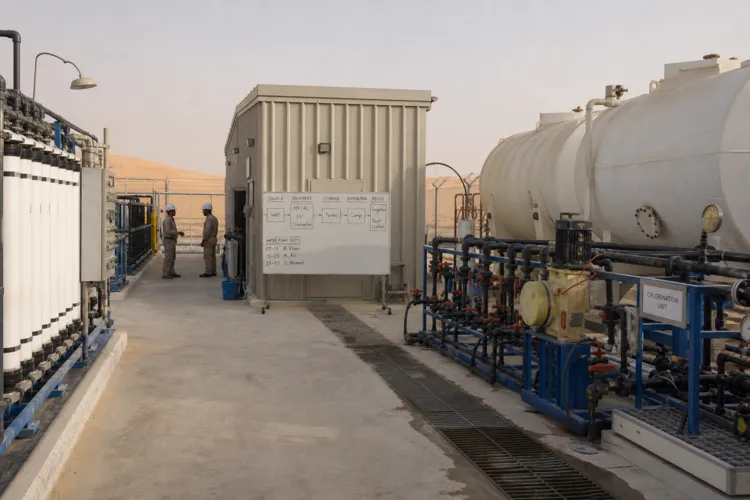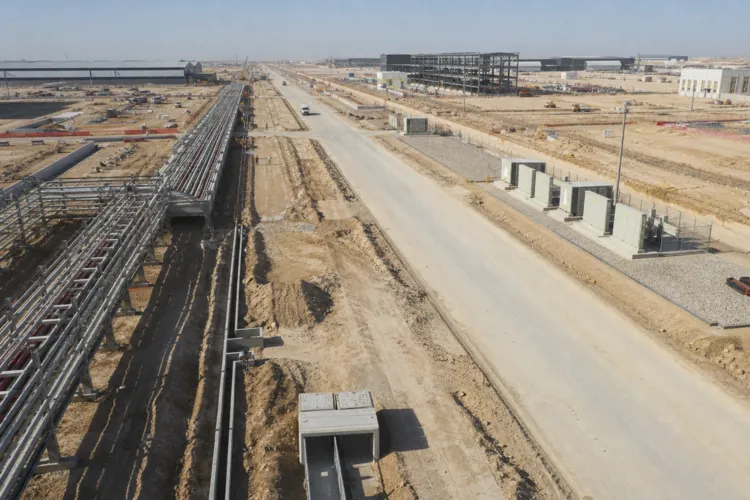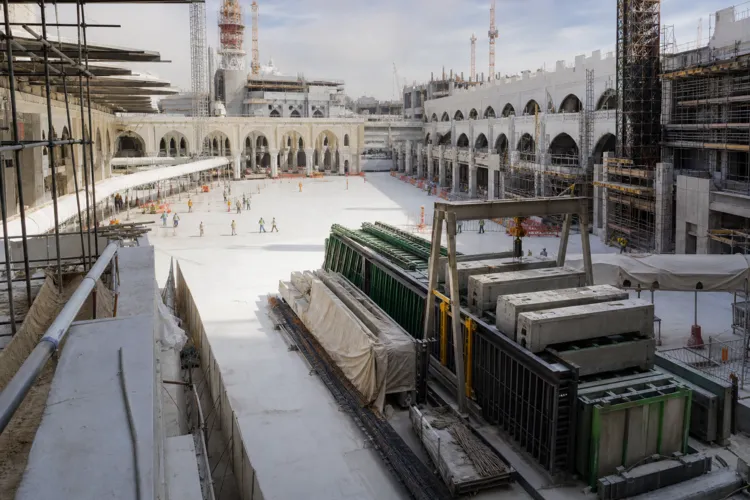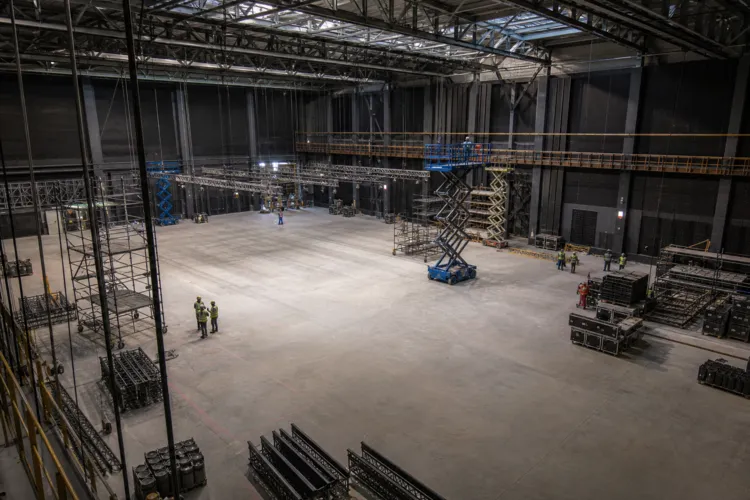
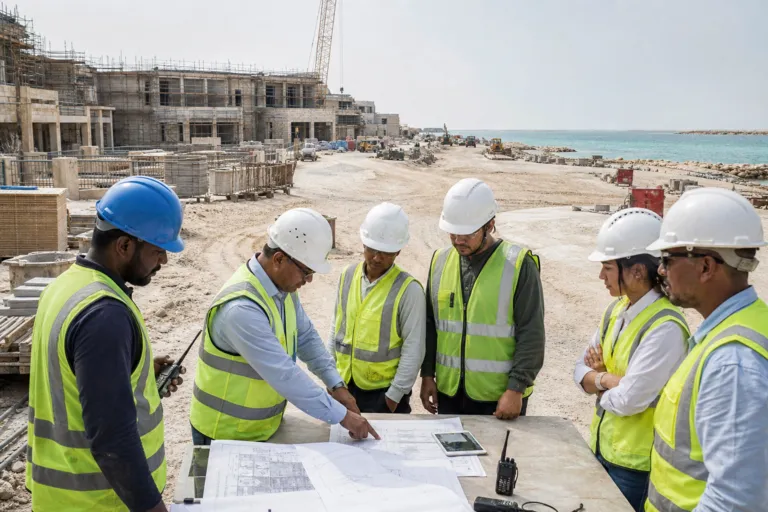
Sindalah’s completion push is best understood in the context of what NEOM represents and what public reporting says about its delivery pressure. NEOM is positioned as a central part of Vision 2030, a long-term plan to diversify the economy away from energy revenues, in part through urbanization and international tourism. At the same time, reporting has described NEOM as facing scaling adjustments, cost concerns, engineering hurdles, workforce issues, and criticism over forced displacement. These constraints shape how any luxury island opening must be staged, staffed, and sequenced so that the guest experience is protected while construction realities are managed.
Recent contract actions show why planning for volatility belongs in the hospitality construction playbook around Sindalah Island NEOM hospitality construction. Newsweek reported that Malaysian firm Eversendai said its contract to provide steel to Trojena had been terminated, and separately that Italian multinational Webuild said its contract to help construct three dams and a freshwater lake to support the Trojena resort had been cancelled. Webuild said it had already completed around 30 percent of the works on Trojena at a cost of €2.8 billion, and that termination would become effective on a Sunday. Dezeen also reported cancellations tied to Trojena and a tunnel for The Line, and linked the Trojena steel contract to March 2024.
The Hospitality Construction Playbook: Build for Phasing, Access, and Scope Shifts
A practical playbook starts with scope discipline, because The Line has been publicly described as being scaled back. Dezeen reported that plans for the 170-kilometre-long city to house 1.5 million residents by 2030 were scaled back in 2024 to 300,000 people by 2030, and that the Public Investment Fund asked consultants to conduct a review of the feasibility of The Line. For a luxury island, this points to phasing: open what can be operated at the expected luxury level, while ringfencing active works. It also points to resilient procurement plans that assume contract changes and re-packaging of work packages.
Access and arrival logistics are another core lesson from nearby Red Sea delivery examples, because islands amplify every construction interface. Hospitality Net reported that guests will arrive at Shura Island either by boat to the marina or by electric vehicle across the 3.3km Shura crossing, described as including Saudi Arabia’s longest internal bridge. The same report said Shura Island will eventually be home to 11 world-class resorts and that phase one includes SLS, EDITION, and InterContinental hotels, alongside Shura Links, described as Saudi Arabia’s first island golf course. Even if Sindalah differs, the pattern is transferable: control the arrival corridor, separate construction traffic, and protect first impressions.
Finally, delivery teams can benchmark how other PIF-backed destinations frame milestones and investment, while acknowledging broader reprioritization pressures. Hospitality Net reported that Red Sea Global invested SAR 51.04bn into Phase One of AMAALA, and that when complete it will feature a total of nine resorts encompassing more than 1,600 keys, including branded and unbranded residences. Newsweek also reported that in 2024 the PIF wrote down about US$8 billion in value from its portfolio of giga-projects amid cost pressures and reassessment of priorities. For Sindalah, the implication is to tie opening readiness to operations, not renderings: staffing, commissioning, and guest-ready zones must lead the critical path.
What does “Sindalah Island NEOM hospitality construction” need to prioritize during a completion push?
What public signals show NEOM has faced delivery pressure?
What happened to Webuild’s Trojena-related contract, according to reporting?
How has The Line’s 2030 population plan been reported to change?
What nearby island-access detail can inform luxury hospitality delivery planning?
Talk to us for your needs in:
-
Sustainable Construction Solutions
-
Strategic Construction Planning
-
Customer-Centric Construction Services
-
Operational Excellence in Construction
-
Leadership and Change Management for Construction
-
Digital Transformation in Construction
-
Saudi Construction Market Research
-
In-Depth Market Study for Construction
-
Market Intelligence and Insights in Construction
-
Feasibility Study and Assessment in Construction
-
Saudi Construction Benchmarking