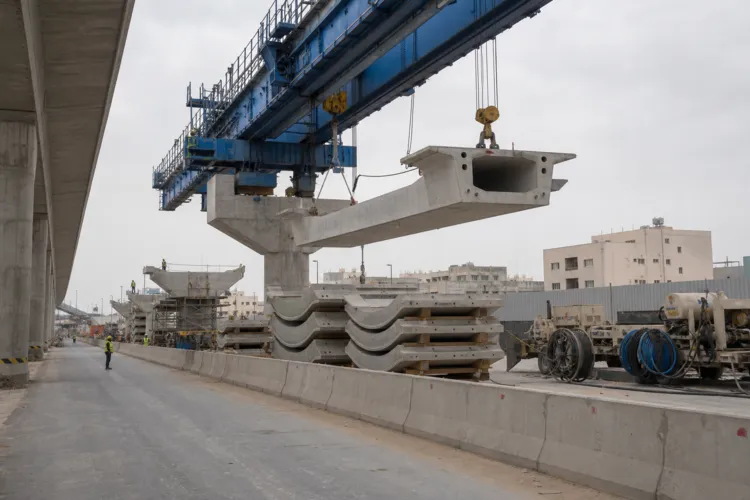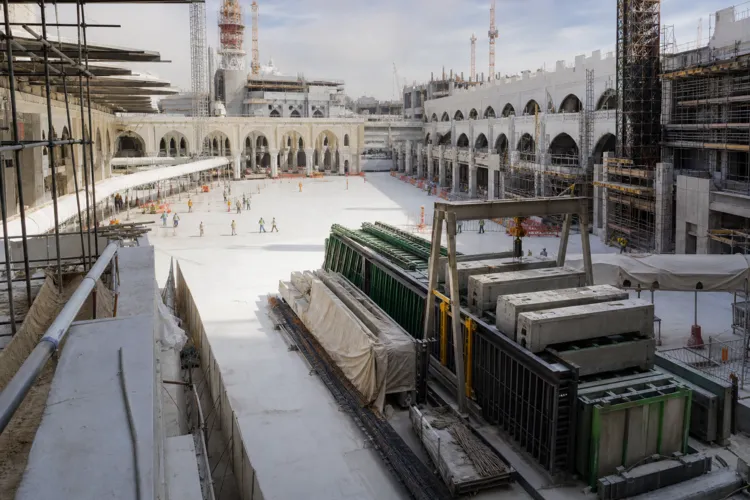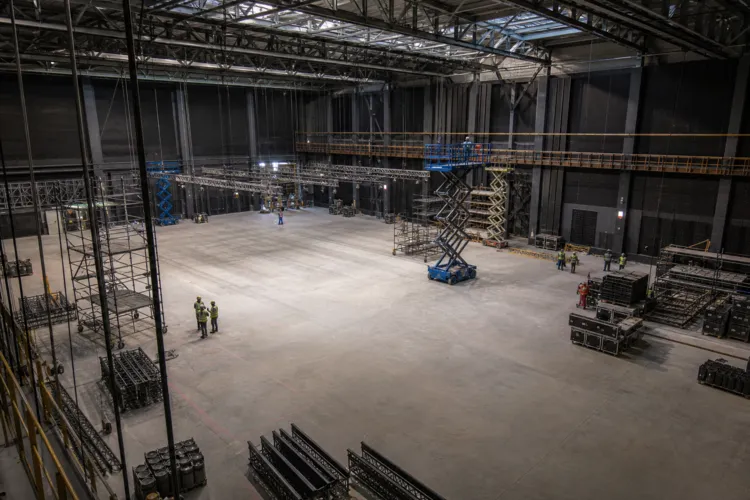
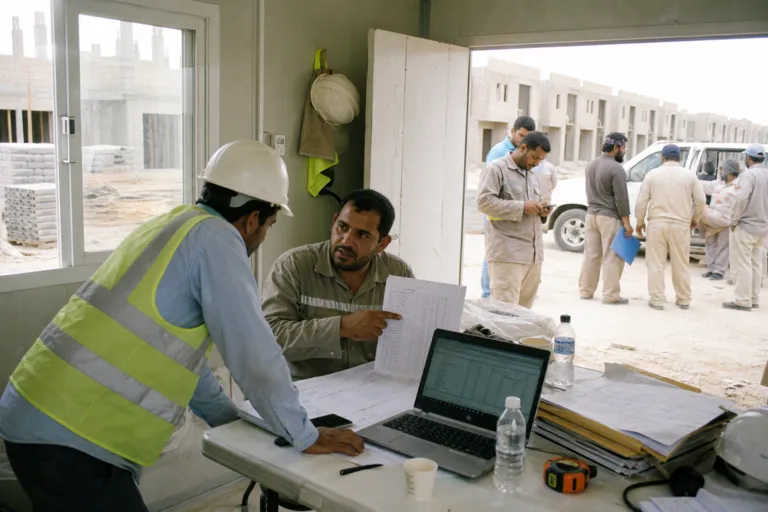
The Sakani affordable housing program 2026 sits inside a construction market that feels both busy and constrained. In Saudi Arabia, the Sakani program has already facilitated the construction of hundreds of thousands of housing units. That scale lifts demand for concrete, bricks, and finishing materials. At the same time, the broader construction industry is described as “transitional,” with strong demand held back by high material costs, shifting policies and economic conditions, and stubborn supply chain complications.
Residential builders also face a second pressure: uncertainty. In 2026, tariff policy is called “the largest unknown,” because it is unclear which level of the supply chain will absorb higher costs. Housing leaders also describe a market shaped by buyer hesitation linked to macro uncertainty. That matters because volume plans depend on predictable delivery times and predictable costs.
Several 2026 data points show why builders can feel squeezed even when demand exists. In the U.S., October housing starts fell 4.6% to a 1.25 million seasonally adjusted annual rate. Single-family starts rose 5.4% month over month to 874,000 units, but were down 7.8% year over year. Single-family homes under construction fell to 596,000 units, down 7.0% year over year, and the lowest level since November 2020.
Why Land Release and Volume Goals Can Clash With Reality
When governments push affordability, builders often absorb costs through lower prices and higher incentives. One housing analysis describes a “transactional” policy posture where affordability is the headline goal and “everything else is in play.” In that kind of environment, volume targets can rise while builder margins erode. Builders may respond by limiting new risk and focusing on finishing what is already committed.
Supply chain and labor constraints can turn land release into a bottleneck. Construction leaders point to limited capacity of qualified electrical and mechanical craft workers as a gating factor as project scale grows in 2026. Other industry commentary adds that high material costs, shifting policies, and stubborn supply chain complications are still holding the market in check. If materials arrive late or skilled labor is scarce, cycle times can stretch and delivery dates can slip.
For the Sakani affordable housing program 2026, the key risk is not only demand. It is execution under stress. The Sakani program has already increased demand for core inputs like concrete and finishing materials. If tariffs raise costs somewhere in the chain, or if supply chains remain complicated, builders may face difficult tradeoffs between speed, price, and quality. That is the squeeze: ambitious housing volume goals moving forward while the building system struggles to stay predictable.
What is driving materials demand around the Sakani affordable housing program 2026?
Why are builders worried about supply-chain costs in 2026?
What labor issue can slow large residential project delivery in 2026?
What do the latest housing activity numbers suggest about builder risk-taking?
Talk to us for your needs in:
-
Sustainable Construction Solutions
-
Strategic Construction Planning
-
Customer-Centric Construction Services
-
Operational Excellence in Construction
-
Leadership and Change Management for Construction
-
Digital Transformation in Construction
-
Saudi Construction Market Research
-
In-Depth Market Study for Construction
-
Market Intelligence and Insights in Construction
-
Feasibility Study and Assessment in Construction
-
Saudi Construction Benchmarking