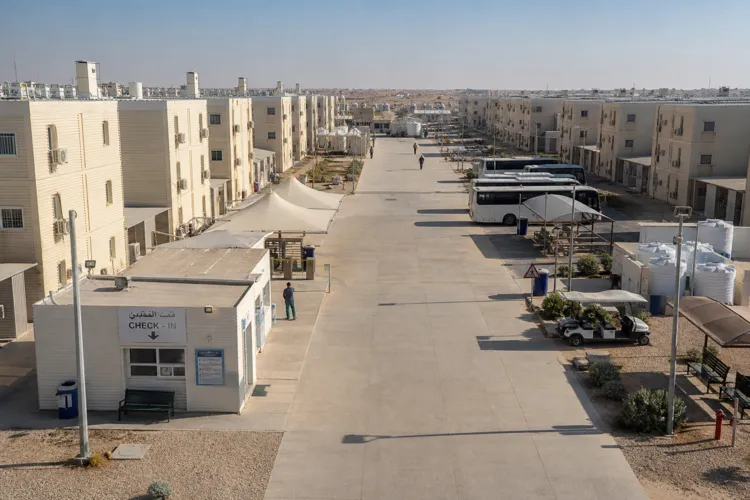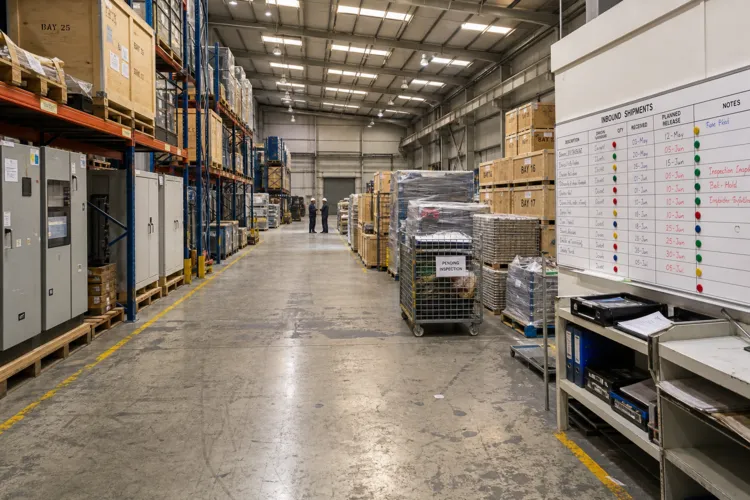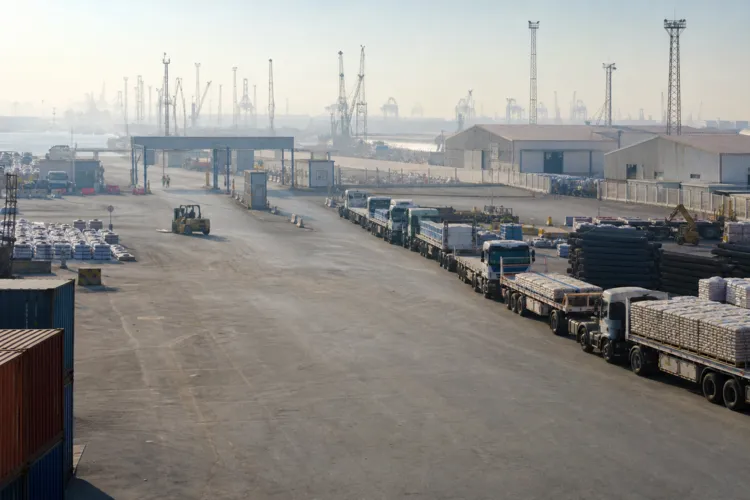
In 2026, Saudi Arabia’s giga-project pipeline is being rebalanced in public view. A status guide tracking PIF-backed developments says the combined announced commitments across projects still exceed USD 1 trillion, but the gap between announcements and execution had become difficult to ignore by May 2026. For workforce planners, this means staffing decisions are no longer only about hiring for “everything everywhere.” They are about redeploying teams from packages that are paused, reduced, or rephased into packages that have clearer near-term milestones and fewer degrees of freedom on delivery.
NEOM is the clearest trigger for this shift. An intelligence brief describes a reduction of The Line’s Phase 1 target to a 2.4-kilometre initial segment targeting approximately 300,000 residents by 2030, versus the original 170-kilometre, 9-million-resident vision. It also states that on September 16, 2025, PIF halted construction entirely pending a strategic review; as of Q1 2026, drilling rigs, pile-driving equipment, and concrete-batching plants remained on site but no active construction was underway. Another analysis adds that a Wall Street Journal-reported internal audit pegged full NEOM completion at USD 8.8 trillion, and that PIF formally cut construction commitments from USD 71 billion to USD 30 billion. That combination pushes contractors toward redeployment planning rather than steady-state mobilisation.
Where the Crews Go Next: Qiddiya, Expo 2030, and Riyadh’s Deadline Logic
Riyadh’s event-driven timeline intensifies the logic of moving people and plant from rescoped NEOM packages to projects closer to a fixed deadline. A Vision 2030 timeline summary states that Riyadh won Expo 2030 and that this created a “non-negotiable deadline” for transport, hotels, and venue infrastructure, while questions grew about how much capacity Saudi Arabia could deploy simultaneously across NEOM, Qiddiya, Diriyah, Red Sea tourism, and Expo infrastructure. In parallel, Qiddiya shows tangible package progression. A construction market report notes that in November 2025, Qiddiya broke ground on a 320,000 m² indoor venue within a USD 8 billion first phase, with completion by 2028. For contractors, that kind of defined scope can absorb teams that were previously tied to uncertain NEOM workfronts.
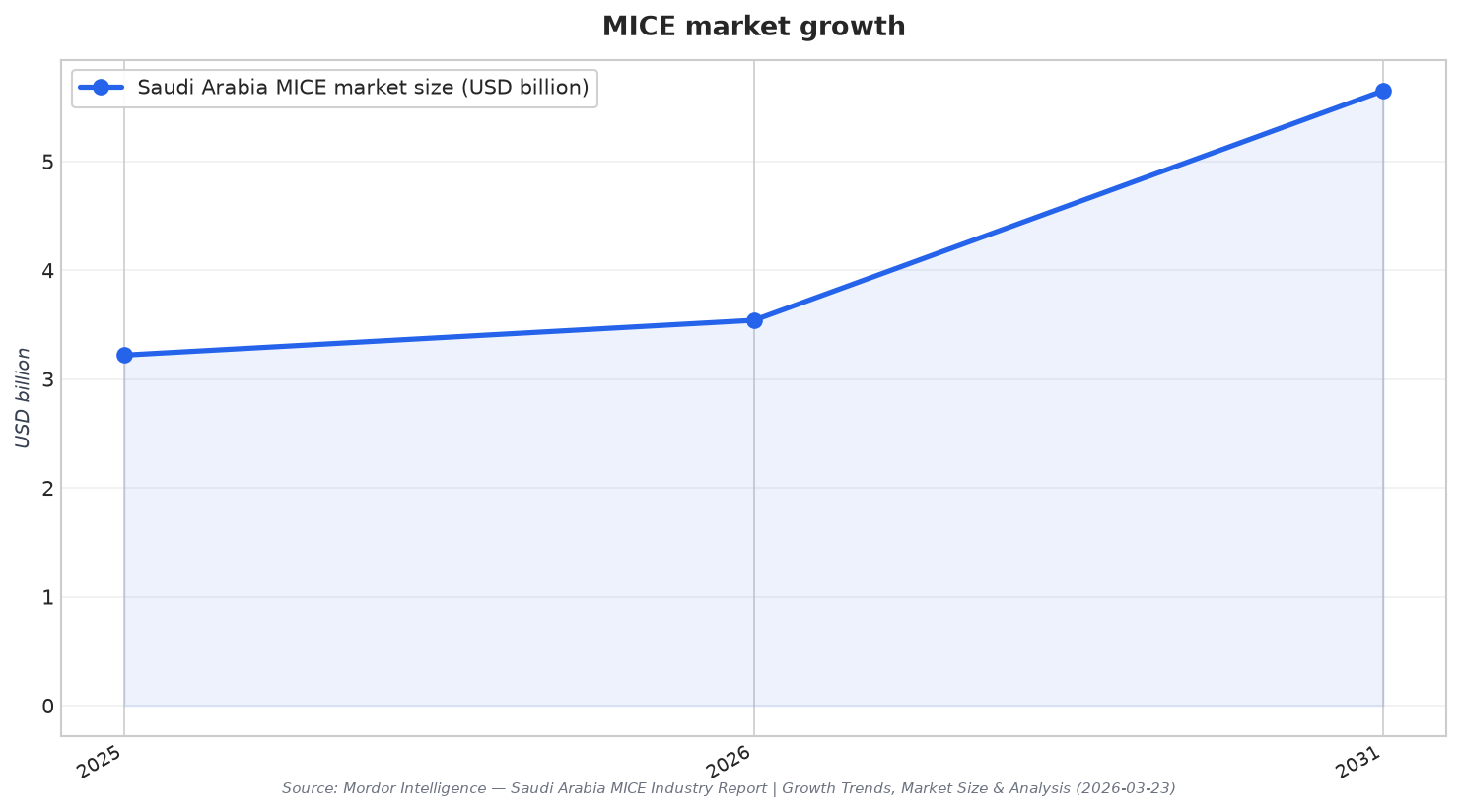
Redeployment also follows demand signals from the events economy. A Saudi Arabia MICE report values the market at USD 3.22 billion in 2025, projects USD 3.54 billion in 2026, and forecasts USD 5.65 billion by 2031 at a 9.82% CAGR. It also notes that projects such as Qiddiya and elements of NEOM are incorporating extensive indoor and climate-controlled venues to host large-scale events year-round, even as mid-2020s seasonality still affects some existing facilities. This is why the keyword topic—construction workforce redeployment Saudi giga projects 2026—maps to practical scheduling: crews most exposed to NEOM’s review cycles can be redirected to venue shells, MEP coordination, and fit-out sequences needed for event-readiness in Riyadh’s broader buildout.
Funding concentration matters for how fast redeployment can happen. The same construction market source states that public bodies funded 63.35% of spending in 2025, and that PIF alone directed USD 40 billion into NEOM, Red Sea, and Qiddiya between 2024 and 2026. That mix suggests workforce flows will track where PIF-backed programmes keep issuing packages on executable timelines. In that environment, redeployment is not only about moving labour. It is also about re-qualifying subcontractors, revalidating method statements for different asset types, and reassigning heavy equipment from paused workfronts to active Riyadh-area schedules that face Expo 2030 expectations.
What changed at NEOM that is driving crew redeployment decisions?
Why is Qiddiya a logical destination for redeployed construction crews in 2026?
How does Expo 2030 affect Saudi Arabia’s construction workforce planning?
What does the MICE market outlook suggest about venue-related construction demand?
What does “construction workforce redeployment across Saudi giga projects in 2026” mean in practice?
Talk to us for your needs in:
-
Sustainable Construction Solutions
-
Strategic Construction Planning
-
Customer-Centric Construction Services
-
Operational Excellence in Construction
-
Leadership and Change Management for Construction
-
Digital Transformation in Construction
-
Saudi Construction Market Research
-
In-Depth Market Study for Construction
-
Market Intelligence and Insights in Construction
-
Feasibility Study and Assessment in Construction
-
Saudi Construction Benchmarking