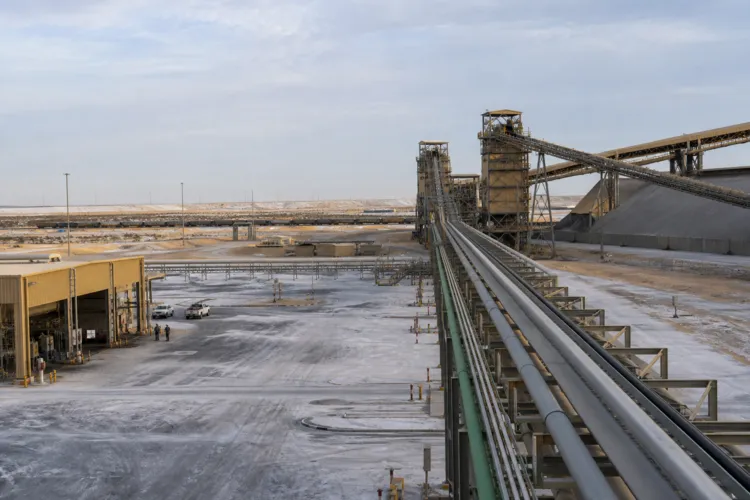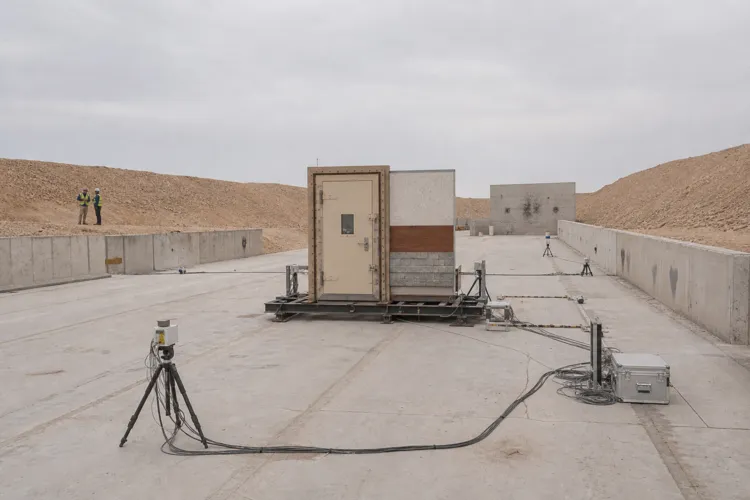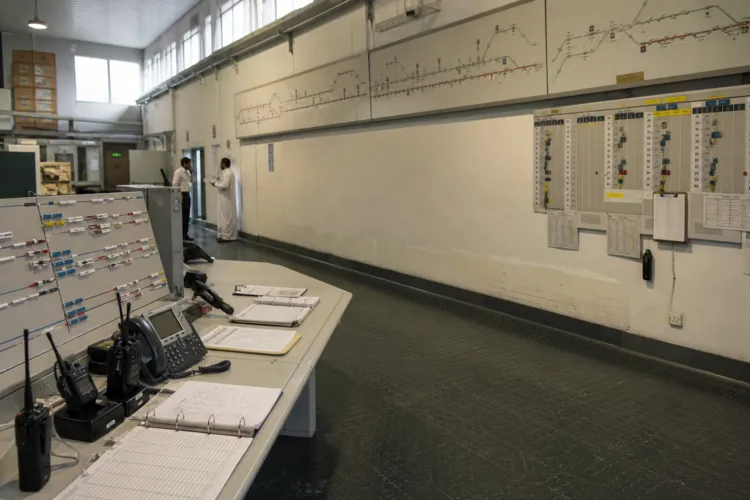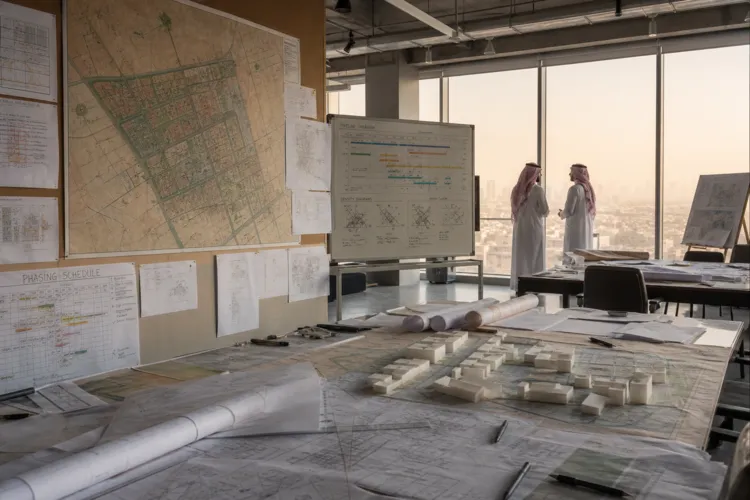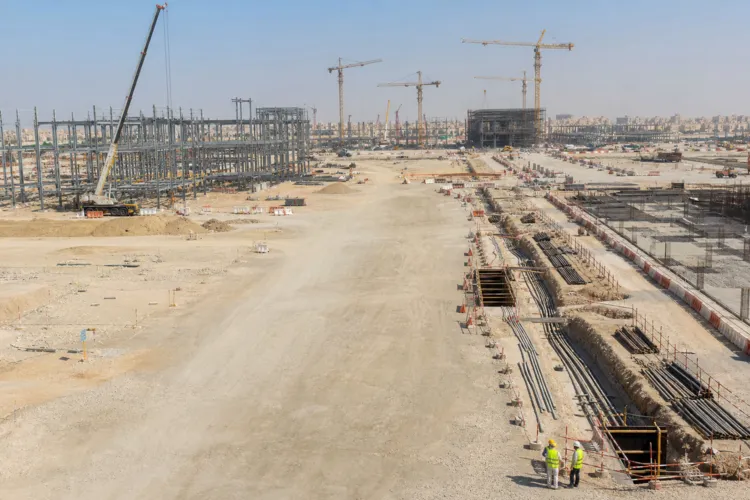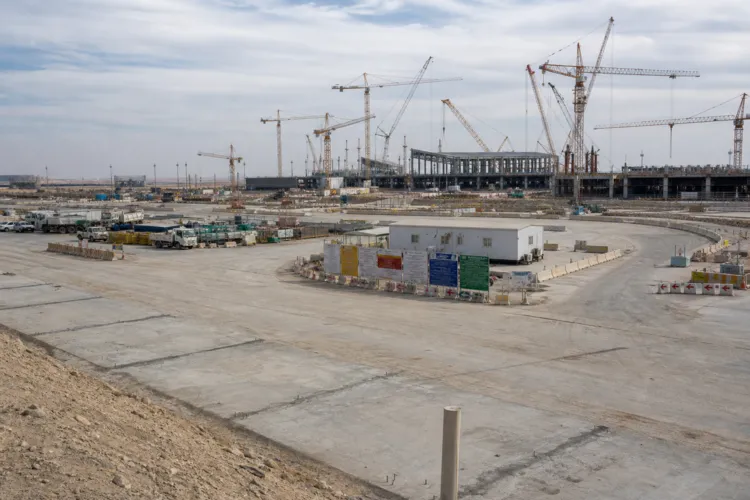
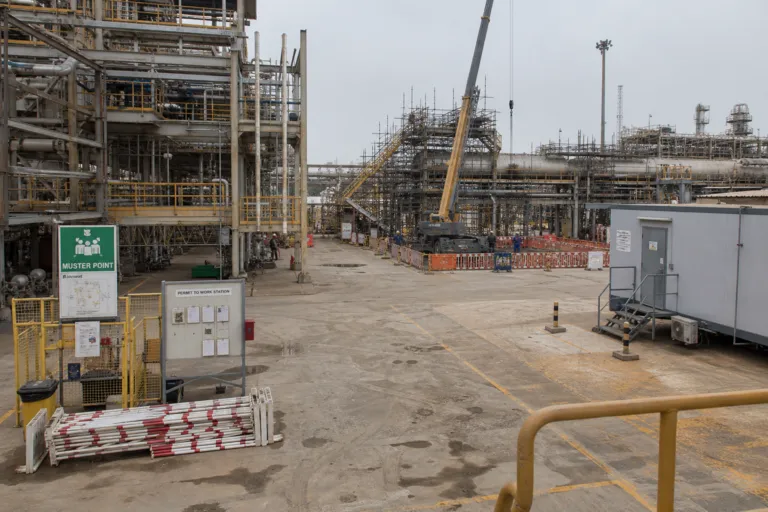
Saudi Aramco is moving to formalize rapid-response delivery for emergency and intervention work at existing assets. Energy Intelligence reported that Aramco is seeking interest from multiple contractors for “Long-Term Agreement Contracts” that include “procurement, construction, start-up and commissioning of selected brownfield oil and gas emergency and intervention projects.” The same reporting said Aramco plans to accelerate the award cycle, inviting bids in mid-October, with a tentative plan to award contracts in November and begin work later that month. The initiative is framed as an emergency contractor support system tied to ongoing attacks on critical infrastructure, and it puts contractor preparedness and mobilization at the center of selection.
Contractors should read this rapid-response push alongside Aramco’s broader move to institutionalize long-term brownfield delivery panels. In May 2026, Aramco selected 18 domestic and international contractors for a dedicated brownfield EPC pool and 11 firms for a specialised PMC and engineering services framework, according to a July 2026 update on Aramco’s long-term brownfield engineering contracting approach. Those Long-Term Agreements (LTAs) run for five years, with an option to extend for a further three. The same source emphasizes that an LTA is a framework rather than a commitment to a fixed project list or budget, and that contractors then compete for individual work packages inside a relationship structure built around delivery consistency, safety performance, and operating-facility knowledge.
What “Rapid-Response” Means in Brownfield EPC Qualification
Brownfield emergency intervention is not the same as greenfield delivery, and Aramco’s LTA logic makes that distinction explicit. The July 2026 LTA description highlights brownfield realities: teams work in live operating environments where production cannot stop; process systems are interconnected; equipment installed decades ago may not match current drawings; and tie-ins must be engineered to avoid disrupting active flows. It also notes construction must be managed with site-specific permits and hot-work authorisations in potentially hazardous environments. For contractors pursuing Aramco brownfield emergency construction contracts 2026, that translates into qualification signals such as proven tie-in planning, safe hot-work execution, and methods that protect operations while accelerating procurement, construction, start-up, and commissioning under intervention conditions.
Evidence of how Aramco uses long-term pools can also be seen offshore, where MEED reported that contractors in Aramco’s Long-Term Agreement pool of offshore service providers submitted bids for five offshore tenders covering EPCI at the Abu Safah, Berri, Manifa, Marjan, Safaniya and Zuluf fields. MEED also reported Aramco spent almost $11bn on offshore EPCI contracts last year, and that in July Aramco selected contractors for five CRPOs—numbers 150, 157, 158, 159 and 160—worth over $3bn. Separate tenders cited include a 12-month scope on CRPO 165, involving subsea interventions at the Marjan field development and the EPCI of 300 metres of onshore pipeline and associated tie-ins, plus a 32-month duration for another referenced contract. For emergency-response bidders, these references underscore the need to be structurally ready for repeated, package-by-package awards once inside an Aramco pool.
Contractors should also calibrate their bid strategy to the wider EPC market and risk profile that sources highlight. Market.us reported that in March 2026, Saudi Aramco reported upstream capital expenditure of USD 37.77 billion for 2025, linked in that source to expanding gas production, maintaining crude oil capacity, developing new fields, upgrading processing facilities, and strengthening pipelines and related infrastructure. In parallel, Straits Research stated the Saudi Arabia oil & gas EPC market was valued at USD 9.94 billion in 2025, driven by investments including upstream expansion, gas processing facilities, refinery upgrades, and petrochemical integration projects under Aramco’s long-term plans. In practice, rapid-response LTAs reward contractors that can carry brownfield operating discipline into compressed schedules, while maintaining rigorous safety systems and repeatable delivery performance across multiple intervention packages.
What is Aramco procuring under its rapid-response EPC initiative?
How fast is Aramco planning to award these emergency-response LTAs?
How do Aramco LTAs change the way contractors win brownfield work?
What operational challenges do contractors need to show they can manage in brownfield emergencies?
What should contractors know about Aramco brownfield emergency construction contracting in 2026?
Talk to us for your needs in:
-
Sustainable Construction Solutions
-
Strategic Construction Planning
-
Customer-Centric Construction Services
-
Operational Excellence in Construction
-
Leadership and Change Management for Construction
-
Digital Transformation in Construction
-
Saudi Construction Market Research
-
In-Depth Market Study for Construction
-
Market Intelligence and Insights in Construction
-
Feasibility Study and Assessment in Construction
-
Saudi Construction Benchmarking