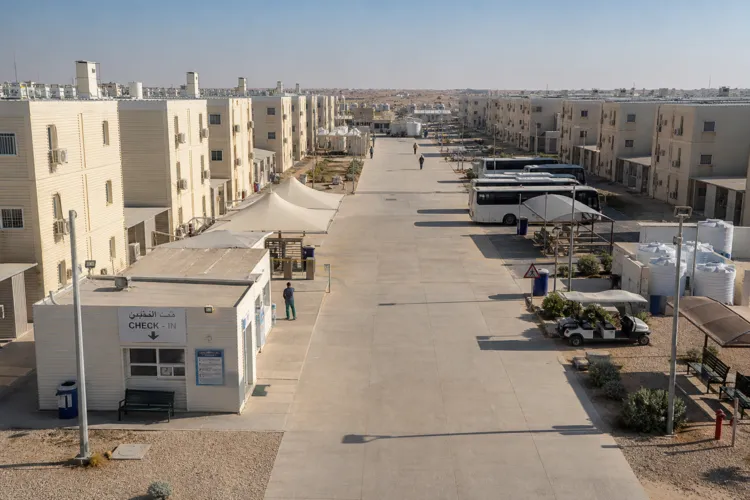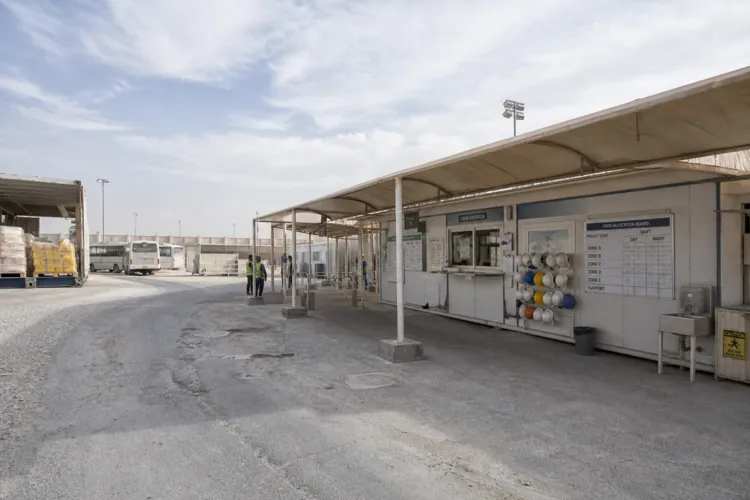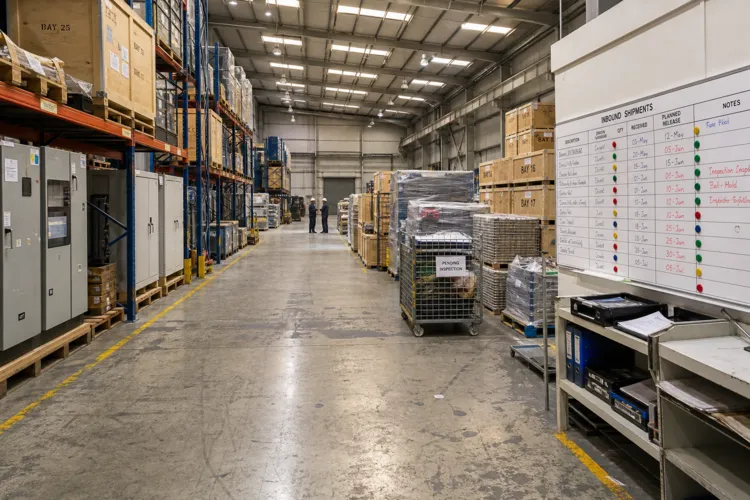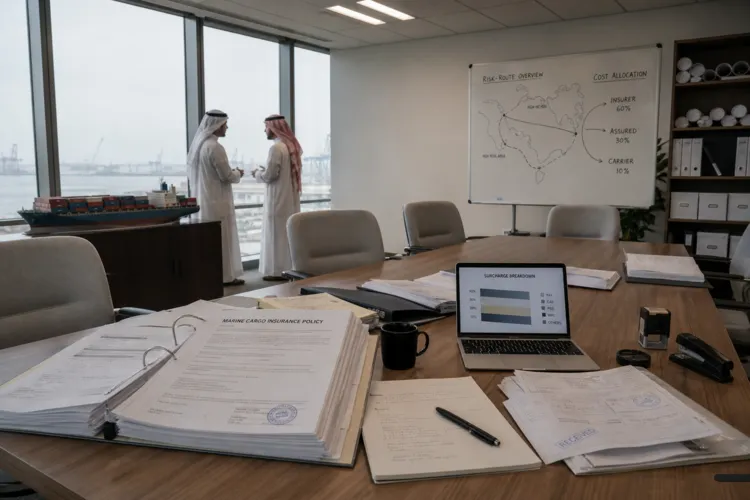
Saudi Arabia’s construction market is already large and still expanding, setting the backdrop for special economic zone industrial construction in Saudi Arabia. Mordor Intelligence values the Saudi Arabia construction market at USD 78.60 billion in 2025, and estimates growth from USD 82.80 billion in 2026 to USD 101.83 billion by 2031, at a CAGR of 4.22% for 2026–2031. In 2025, infrastructure led with 60.13% of revenue, and new construction dominated with an 85.08% share, signaling that net-new assets are the main engine. Public spending accounted for 63.35% of 2025 activity, while “the rest of Saudi Arabia” represented 49.31% of 2025 construction value and is expected to grow at a 4.58% CAGR through 2031, which matters because SEZ activity is not limited to one city.
Industrial demand is also pulled forward by project pipelines that require power, logistics, and specialized facilities that often align with SEZ priorities. Mordor highlights transport corridors, new railway freight lines, airport expansions, and a USD 126 billion grid program as long-run anchors. It also notes that escalation clauses are being used to partly offset cost-inflation risk and protect contractor margins, while competition is rising as local champions form joint ventures with global majors to secure technology and balance-sheet strength for multi-billion-dollar awards. In parallel, Metastat Insights describes an infrastructure market where construction activity expands through metro corridors, industrial zones, logistics parks, housing clusters, airport upgrades, port capacity expansion, and tourism projects, reinforcing a broad-based demand profile that can spill into SEZ-linked industrial development.
Where SEZ Policy Meets the Project Pipeline
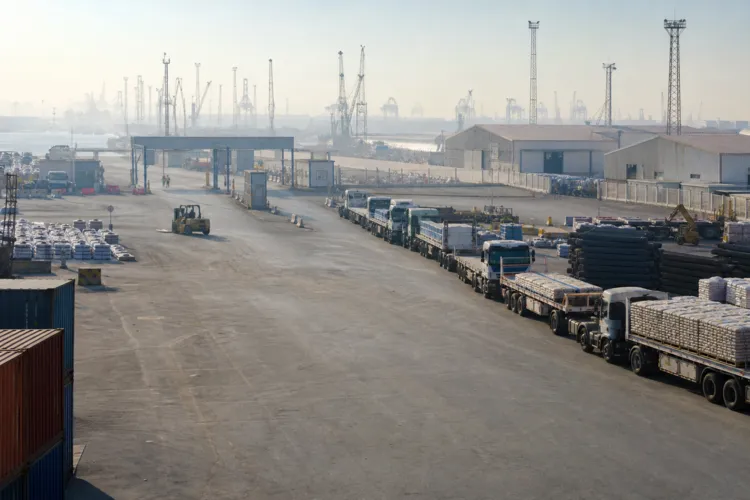
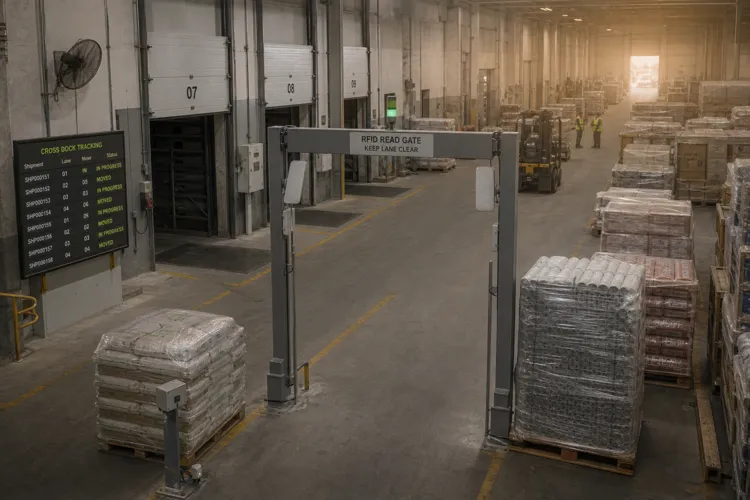
Saudi Arabia’s SEZ investment guide frames the zones as a tool to attract investment through tax incentives and regulatory streamlining, reducing administrative burden for companies. It highlights bonded logistics facilities with customs advantages and points to sector focuses such as e-commerce, logistics, pharmaceutical distribution, perishable goods handling, and light assembly. The guide also notes that the Ras Al-Khair SEZ overlays an existing industrial city and offers enhanced incentives for mining, mineral processing, shipbuilding, and maritime industries. Near-term, it expects the KAFD financial district SEZ and logistics zones to attract immediate interest from international firms seeking regional headquarters and distribution operations, while medium-term industrial and technology SEZs may benefit from manufacturing localisation programmes. For builders, that mix implies demand for warehouses, light industrial plants, specialized maritime and processing facilities, and supporting utilities.
Capacity and delivery methods are evolving as industrial zones and mega-developments increase schedule pressure. MarkWide Research states that the Saudi Arabia prefabricated building and structural steel market is valued at USD 4.8 billion in 2026 and is projected to expand to USD 9.52 billion by 2035, advancing at a 7.90% CAGR. It adds that demand concentrates in Riyadh and the Eastern Province corridor where industrial zone expansion is most active, and that prefabricated capacity is fragmenting across Jubail, Rabigh, and Dammam industrial clusters to shorten project lead times for NEOM and Red Sea developments. Mordor’s construction-method split also supports this shift: conventional on-site work accounted for 90.92% of 2025 value, while modern construction methods are expanding at a 5.53% CAGR, suggesting more off-site fabrication and industrialized delivery in the years ahead.
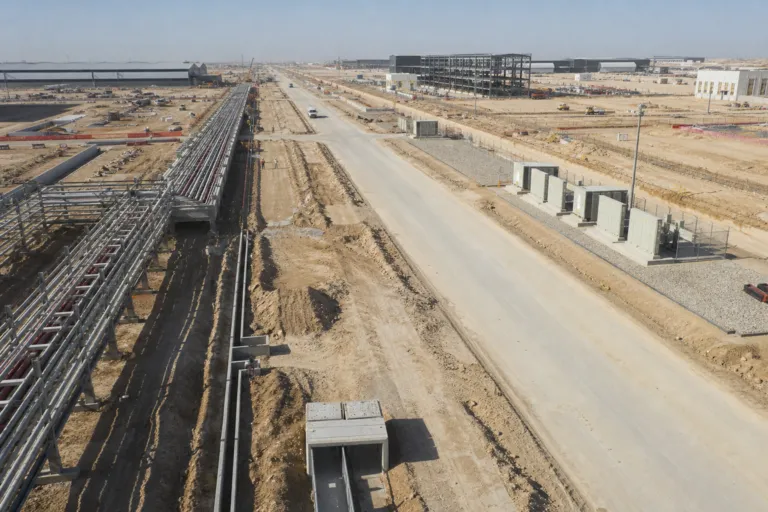
Put together, the signal is not one single “SEZ market,” but a multi-region construction cycle where policy incentives and megaproject logistics converge. Mordor notes that NEOM’s green-hydrogen plant reached 80% completion in 2025 and requires four gigawatts of dedicated renewables, creating follow-on packages for substations and transmission. It also reports that Red Sea Global awarded USD 3.9 billion in early 2026 for 16 island resorts using modular hotel blocks, and that Diriyah Gate attracted USD 2.7 billion in 2025 bids requiring UNESCO protocols, while Qiddiya is developing a 320,000-square-meter indoor venue. Even when these are not SEZ projects, they shape contractor capacity, prefabrication supply chains, and utility buildouts that can support industrial growth in and around the zones.
How large is Saudi Arabia’s construction market and what is the outlook?
What parts of construction dominate activity in Saudi Arabia today?
How do Saudi Arabia’s Special Economic Zones shape industrial construction demand?
What is the forecast for prefabricated and structural steel activity tied to industrial expansion?
Talk to us for your needs in:
-
Sustainable Construction Solutions
-
Strategic Construction Planning
-
Customer-Centric Construction Services
-
Operational Excellence in Construction
-
Leadership and Change Management for Construction
-
Digital Transformation in Construction
-
Saudi Construction Market Research
-
In-Depth Market Study for Construction
-
Market Intelligence and Insights in Construction
-
Feasibility Study and Assessment in Construction
-
Saudi Construction Benchmarking