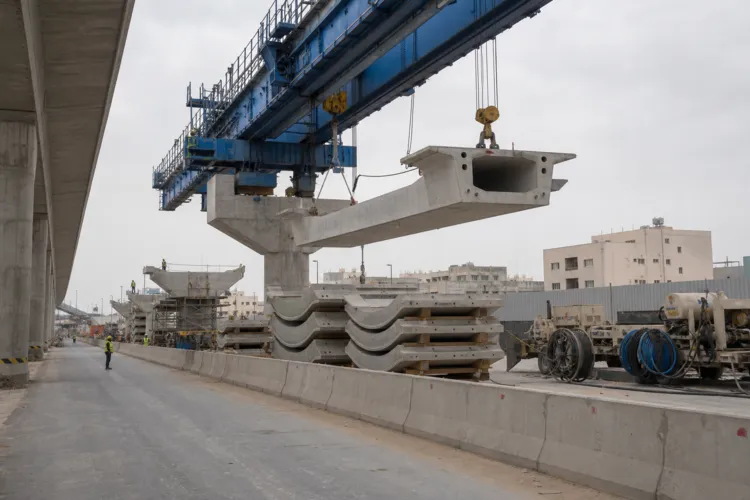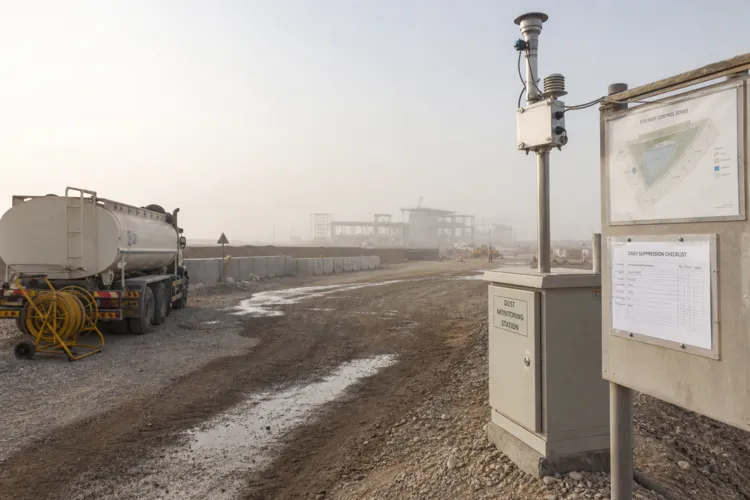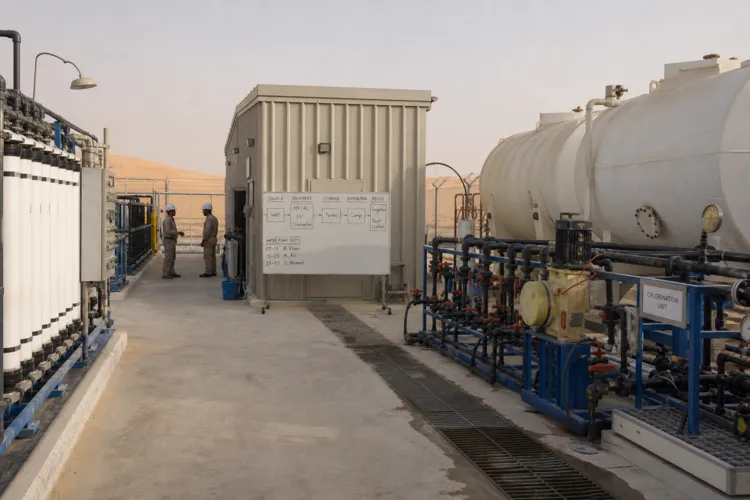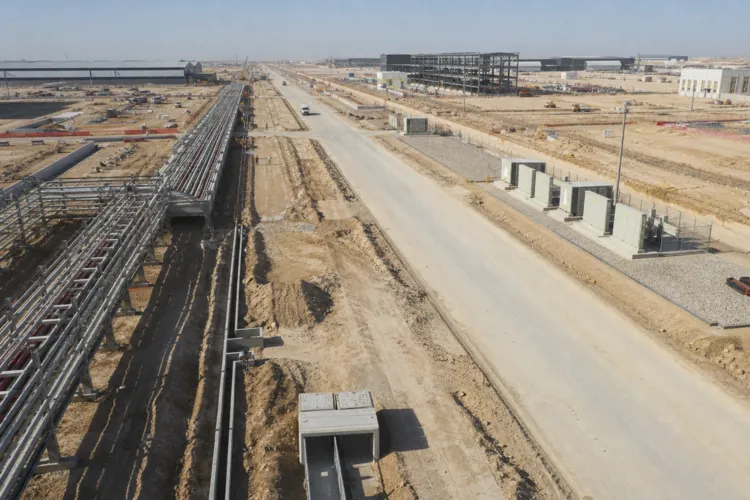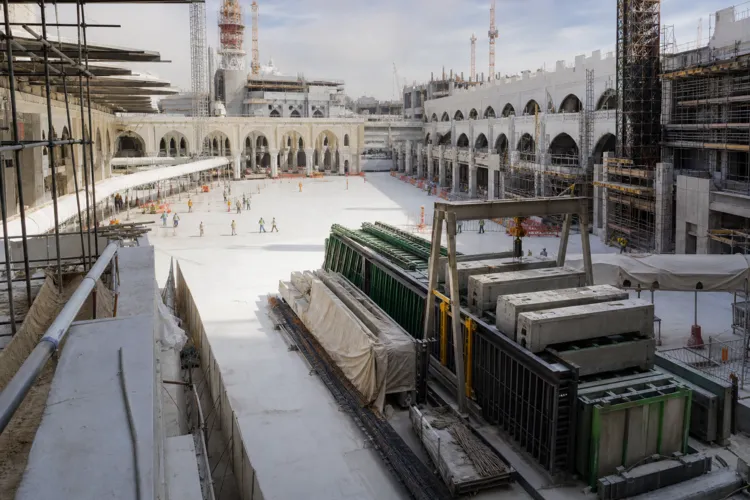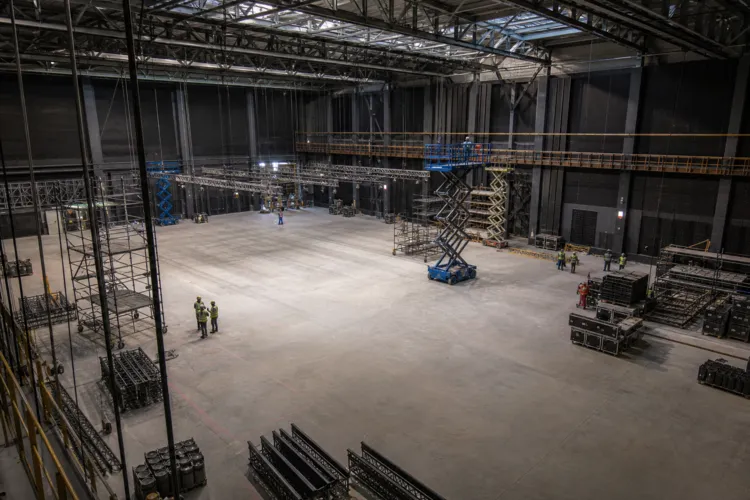
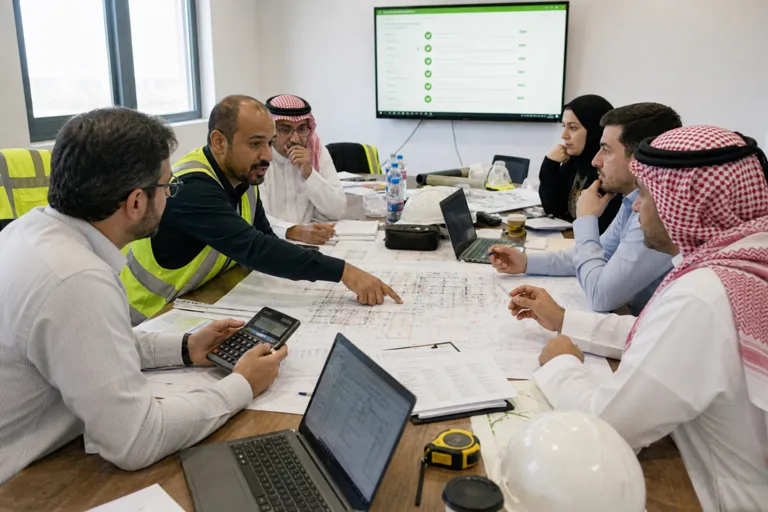
Mostadam green building certification 2026 will land in a Saudi market that is already prioritizing tighter feasibility and clearer financial discipline. Authorities have been stricter reviewing feasibility and financing, and work has been suspended on headline developments such as Neom and the Mukaab, linked to Riyadh’s New Murabba masterplan. One banker said each project is assessed by detailed financial metrics, and anything below a certain internal rate of return will be shelved, while another cautioned that the data is still limited. That context changes how teams read any updated rating criteria, because compliance work must compete with capital discipline and schedule risk.
Cost pressure is visible across the broader project pipeline. Across GCC countries, the overall value of development projects has decreased. In 2025, the GCC’s contract value is projected at $220 billion, down from $261 billion in 2023 and $298 billion in 2024. Saudi Arabia’s contract values dropped from $125 billion in 2023 to a projected $77 billion in 2025. At the same time, several giga-projects have slowed, with developments being reevaluated or extended, and the contract phase expected to resume after reassessments. In practice, updated Mostadam rating criteria can translate into more front-loaded design validation to avoid later redesign during these reassessment windows.
How Updated Criteria Can Shift Design and Procurement Choices
Even without publishing Mostadam point changes in these sources, the direction of travel for Saudi projects is clear: design choices are being weighed against execution certainty and cost. Industrial capex plans show how large owners are budgeting for 2026 delivery. Maaden set 2026 capex guidance of 15.5 billion Saudi riyals ($4.13 billion), including SAR 12.6 billion ($3.4 billion) for growth projects. The company’s growth capex includes completion and commissioning of phase 1 of the Phosphate 3 project, further progress at Ar Rjum, and an aluminum recycling center, plus strategic initiatives such as technology and project studies. For project teams targeting Mostadam green building certification 2026, that kind of capex framing highlights the practical need to connect rating-driven design measures to commissioning plans, procurement packages, and predictable delivery milestones.
Energy strategy and grid readiness can also shape what designers can credibly specify. Saudi Arabia expects its total tendered renewable energy generation capacity to reach 64 GW by the end of 2025. The Energy Ministry also says renewables are going to make up around 50% of the energy mix used to produce electricity by 2030. In parallel, solar additions in 2025 were around 7.8 GW, and the market is led by gigawatt-sized utility-scale projects, including three ACWA Power projects totaling 2.79 GW of new operational capacity. Analysts also emphasized that Saudi Arabia needs major grid and flexibility investments to absorb more solar, including new transmission, better forecasting, updated grid codes for inverter-based resources, and large-scale PV-plus-storage procurement. If updated Mostadam criteria in 2026 place more emphasis on operational performance, teams may have to reflect these grid and interconnection realities during concept design, not after tender.
Updated rating criteria can also affect project cost through scope coordination and masterplanning work. Saudi Arabia’s Matarat appointed Mott MacDonald to update masterplans for 25 airports, with the scope covering a two-year period. That kind of program-level update is where consistent criteria can reduce rework across multiple sites, but it can also require more standardized documentation, coordination, and design governance. On the commercial side, office stock across Riyadh, Jeddah, and the Dammam Metropolitan Area is projected to grow from 9.7 million sq. meters in 2025 to 15 million sq. meters by 2028, with Riyadh accounting for nearly half of this pipeline. With large pipelines and tighter feasibility filters, the cost impact of Mostadam green building certification 2026 is likely to be felt most in earlier design decisions that reduce redesign, protect schedules, and align with financing scrutiny.
Budget planning signals also matter for how owners absorb certification-related scope. Saudi Arabia’s Minister of Finance said total expenditure is expected to reach SR1.31 trillion ($348.9 billion) in 2026 and rise to approximately SR1.41 trillion by 2028, emphasizing stability and medium-term planning. Yet, contract values have been under pressure and project prioritization has become sharper, with Expo 2030 and the 2034 World Cup described as being at the top of the priority list under a revised investment protocol. For teams pursuing Mostadam green building certification 2026, that means updated rating criteria will have the biggest effect when they are translated into clear employer requirements, measurable delivery milestones, and procurement strategies that remain financeable under stricter reviews.
What is the main takeaway for Mostadam green building certification 2026 in Saudi projects?
Why does feasibility tightening change how teams approach updated rating criteria?
What market signals show stronger cost and pipeline pressure around 2025?
Which energy and grid themes can affect building performance planning in Saudi Arabia?
What examples show large-scale planning and capex activity that can intersect with updated criteria?
Talk to us for your needs in:
-
Sustainable Construction Solutions
-
Strategic Construction Planning
-
Customer-Centric Construction Services
-
Operational Excellence in Construction
-
Leadership and Change Management for Construction
-
Digital Transformation in Construction
-
Saudi Construction Market Research
-
In-Depth Market Study for Construction
-
Market Intelligence and Insights in Construction
-
Feasibility Study and Assessment in Construction
-
Saudi Construction Benchmarking