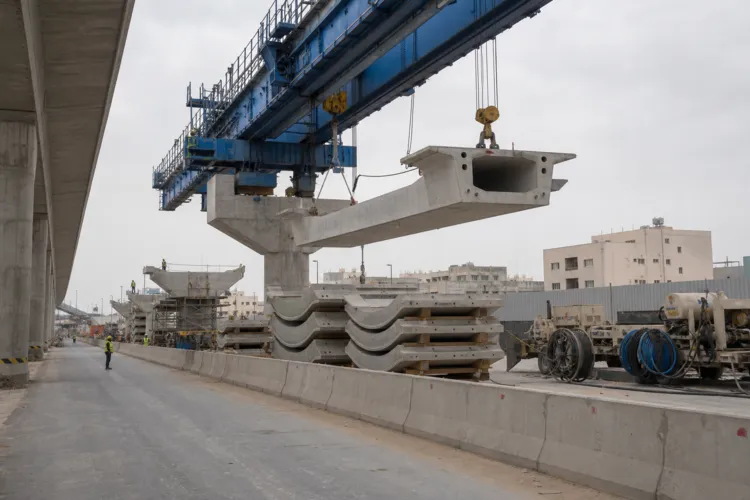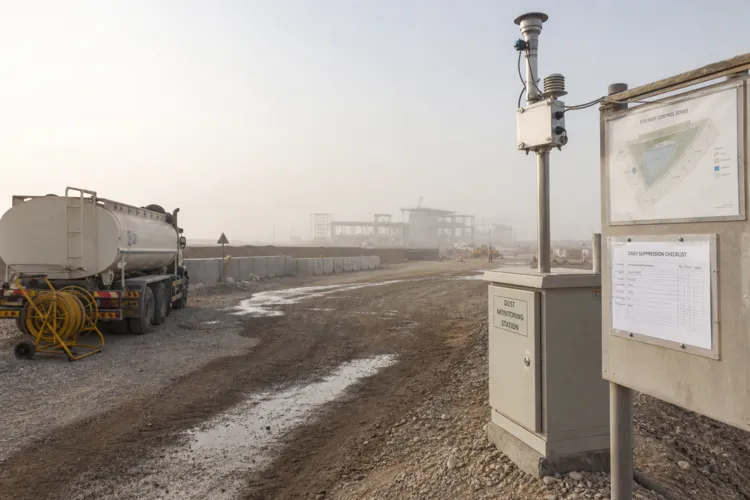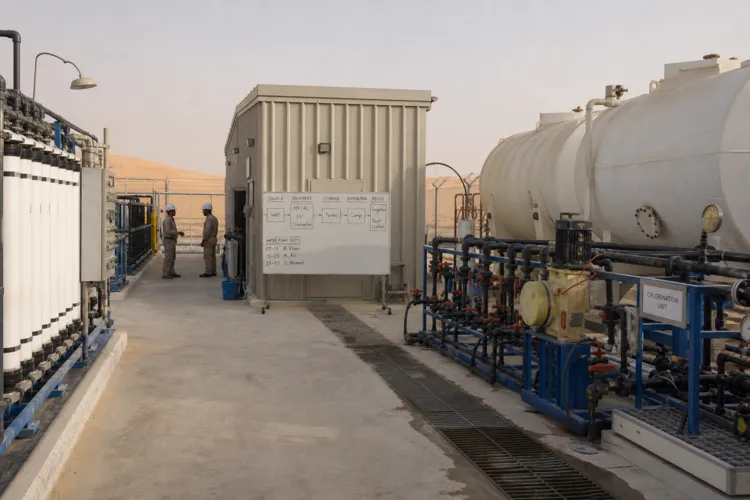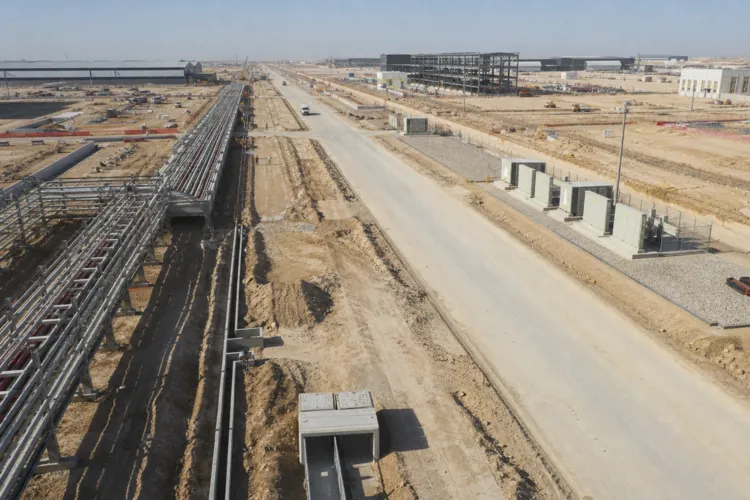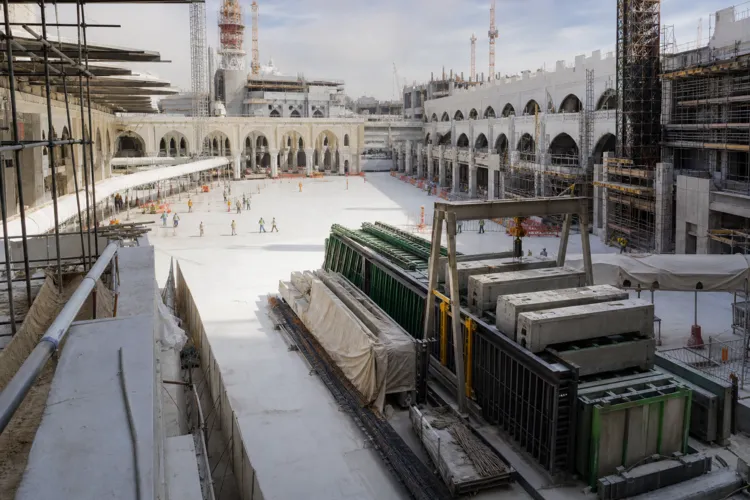
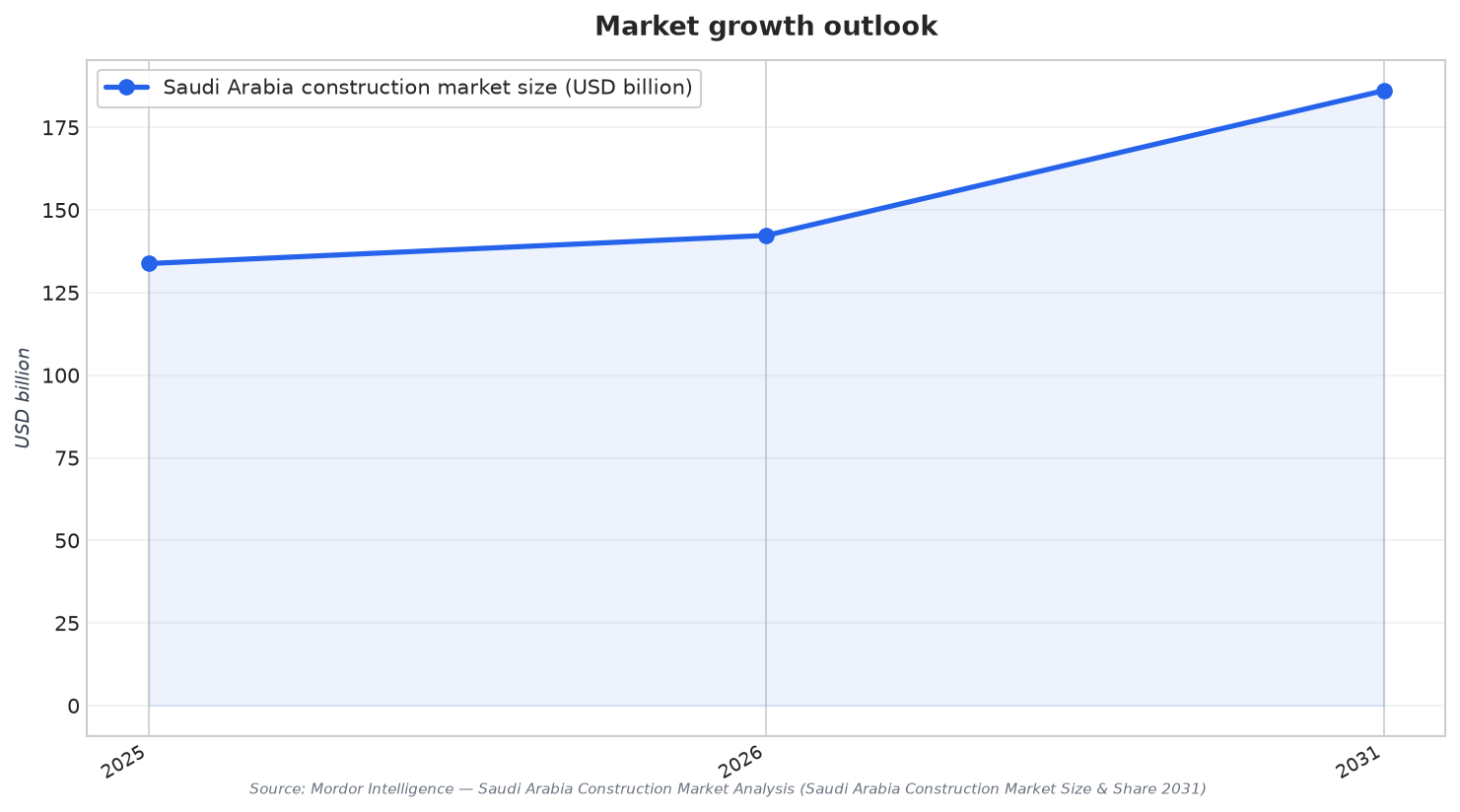
In 2026, Saudi Arabia’s construction pipeline is large enough to reward scale, but competitive enough to punish weak execution. Mordor Intelligence projects the overall Saudi Arabia construction market at USD 142.30 billion in 2026, rising from USD 133.79 billion in 2025 and forecast to reach USD 186.13 billion by 2031, at a 5.52% CAGR from 2026 to 2031. That expansion is tied to transport corridors, giga-projects under Vision 2030, and grid upgrades, alongside an explicit tilt toward public procurement: public spending accounted for 71.5% of 2025 activity. In this setting, consolidation pressure is not only about chasing volume. It is about qualifying for complex packages, underwriting risk, and proving delivery control across multi-year scopes.
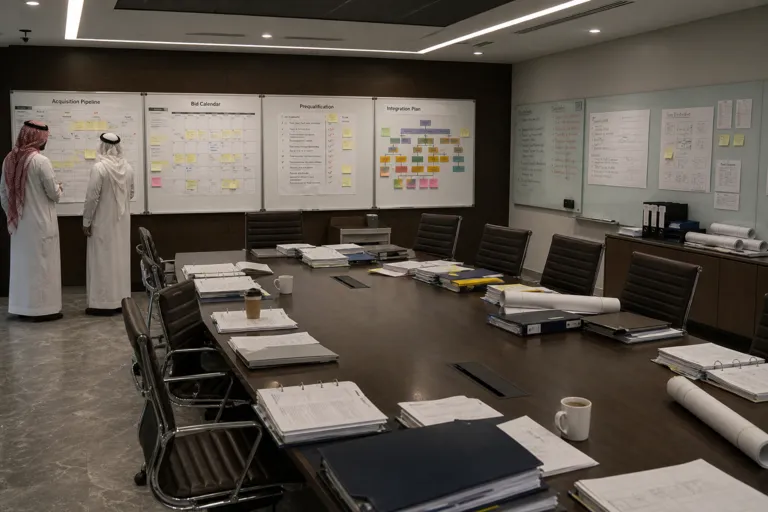
At the same time, Saudi procurement is changing where tier-1 contractors focus their resources. MarkWide Research notes that government infrastructure agencies are displacing private residential developers as the dominant procurement channel as Vision 2030 megaprojects reshape priorities. Qualification thresholds also tighten when material specifications tighten under the Saudi Building Code, and project-specific specifications can override generic national standards. Contractors that can industrialize compliance and supply chains gain leverage. MarkWide highlights how Saudi Binladin Group sustains dominance through vertical integration across civil works and project management, while Nesma & Partners Contracting anchors its position through marine and industrial specialization in the Eastern Province, and El Seif Engineering Contracting differentiates through technology-intensive delivery on complex developments.
Why Consolidation Logic Is Rising Even in a Fragmented Market
Saudi Arabia’s infrastructure construction market is still described as fragmented. Mordor Intelligence states that fragmentation is a defining feature, with concentration levels resembling mature European construction markets rather than the more consolidated structures typical of Gulf hydrocarbon economies. Yet the same source projects the infrastructure construction market at USD 68.47 billion in 2026, growing to USD 87.89 billion by 2031 at a 5.12% CAGR, and it notes that PIF-backed flagships such as King Salman International Airport and Diriyah Gate secure multi-billion-dollar packages that keep tier-one contractors mobilized for the long haul. When package size, duration, and technical scope rise, consolidation incentives follow. The report also notes that only a dozen contractors have process-engineering capacity for CO₂ capture trains or hydrogen electrolyzers, a technical ceiling that naturally concentrates high-end work among a limited set of players.
Project awards and pipelines reinforce the same logic. Mordor Intelligence reports that Red Sea Global awarded USD 3.9 billion in early 2026 for 16 island resorts using modular hotel blocks, and that Diriyah Gate attracted USD 2.7 billion in 2025 bids requiring UNESCO protocol compliance. NEOM’s green-hydrogen plant reached 80% completion in 2025 and requires four gigawatts of dedicated renewables, creating follow-on packages for substations and transmission. These examples show why tier-1 firms pursue combinations, capability acquisitions, and integration moves: the work increasingly blends civil, MEP, utilities, marine, and industrial packages. Even margin protection now depends on contracting sophistication, as cost-inflation risk is being partly offset by escalation clauses that protect contractor margins, according to Mordor Intelligence.
The consolidation story also spans housing and delivery methods, not only infrastructure. Mordor Intelligence reports residential is projected to post the fastest CAGR of 6.55% through 2031, while modern methods of construction expand at a 7.55% CAGR. In residential, the market is described as moderately consolidated at the top yet fragmented below mega-project tiers, and apartments held 70.54% of market share in 2024, according to Mordor Intelligence. Put together, these conditions shape Saudi construction contractor consolidation, mergers, and acquisitions as a practical response to higher qualification bars, modular and BIM mandates, and long-tenor public programs. In 2026, M&A is less about headline dominance and more about assembling the specific execution stack that wins repeat awards.
What is pushing tier-1 contractor consolidation in Saudi Arabia in 2026?
Is Saudi Arabia’s infrastructure contracting market already consolidated?
Which 2026 market figures matter most for tier-1 strategy?
How do giga-project awards reinforce consolidation-style behavior?
How is Saudi construction contractor consolidation through mergers and acquisitions showing up alongside housing growth?
Talk to us for your needs in:
-
Sustainable Construction Solutions
-
Strategic Construction Planning
-
Customer-Centric Construction Services
-
Operational Excellence in Construction
-
Leadership and Change Management for Construction
-
Digital Transformation in Construction
-
Saudi Construction Market Research
-
In-Depth Market Study for Construction
-
Market Intelligence and Insights in Construction
-
Feasibility Study and Assessment in Construction
-
Saudi Construction Benchmarking