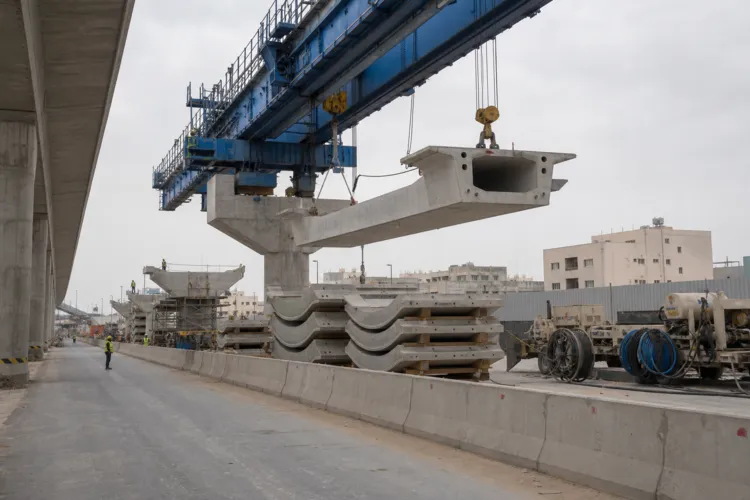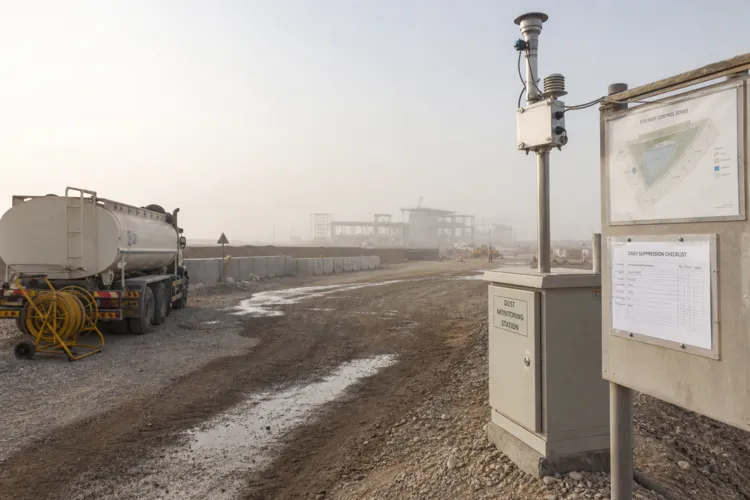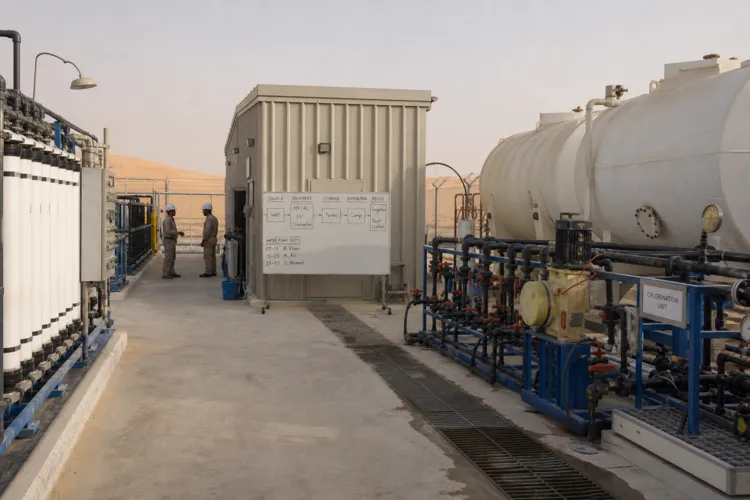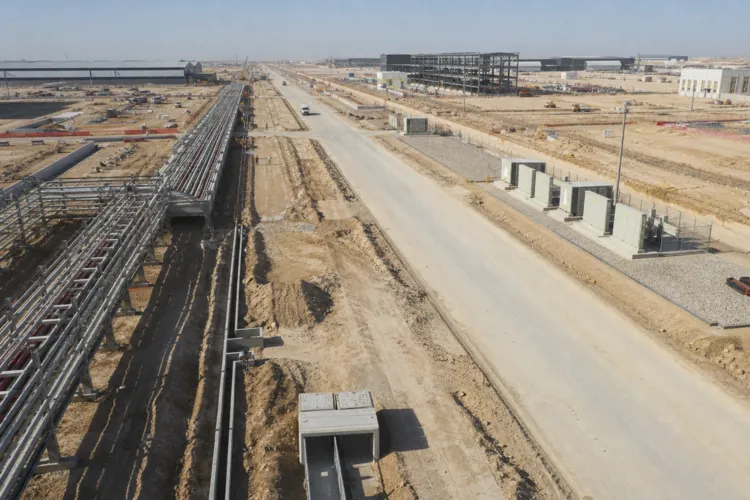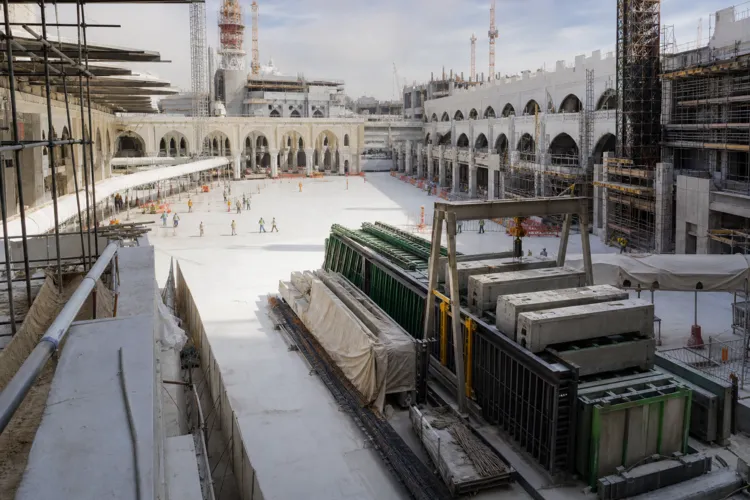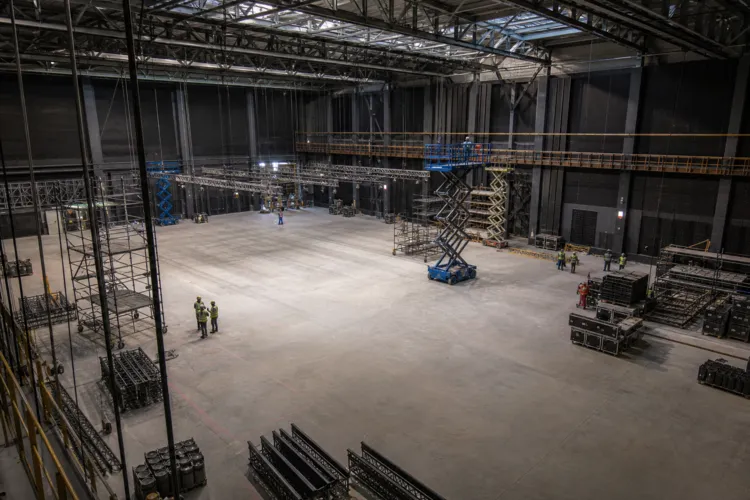
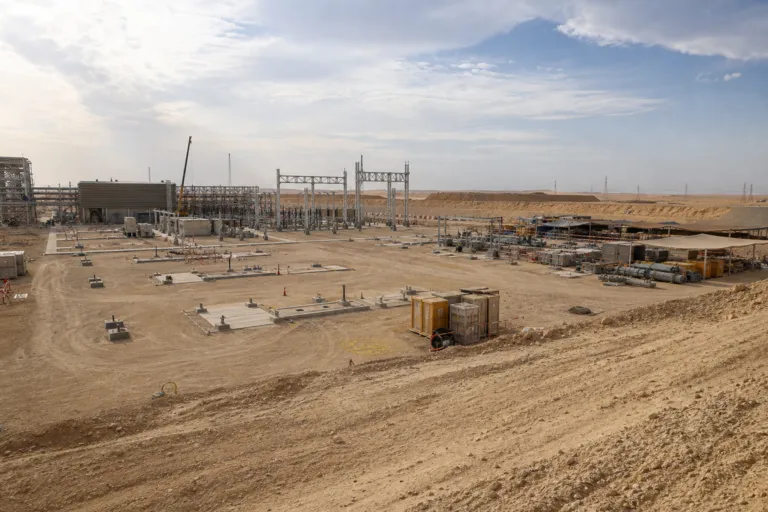
Industrial energy-plant construction tied to SPARK and Jafurah in Saudi Arabia will be competed for in a global EPC landscape that is already scaling. One global EPC market estimate put 2025 at USD 864.59 billion, with a projection to USD 1,184.70 billion by 2035 at a 3.20% CAGR. Another source valued the EPC market at $892.28 billion in 2026 and estimated $1,147.98 billion by 2034, with a 3.21% CAGR from 2026–2034. These figures are global, not Saudi-specific, but they frame the depth of contractor capacity and the intensity of competition for industrial facilities, utilities, and energy infrastructure.
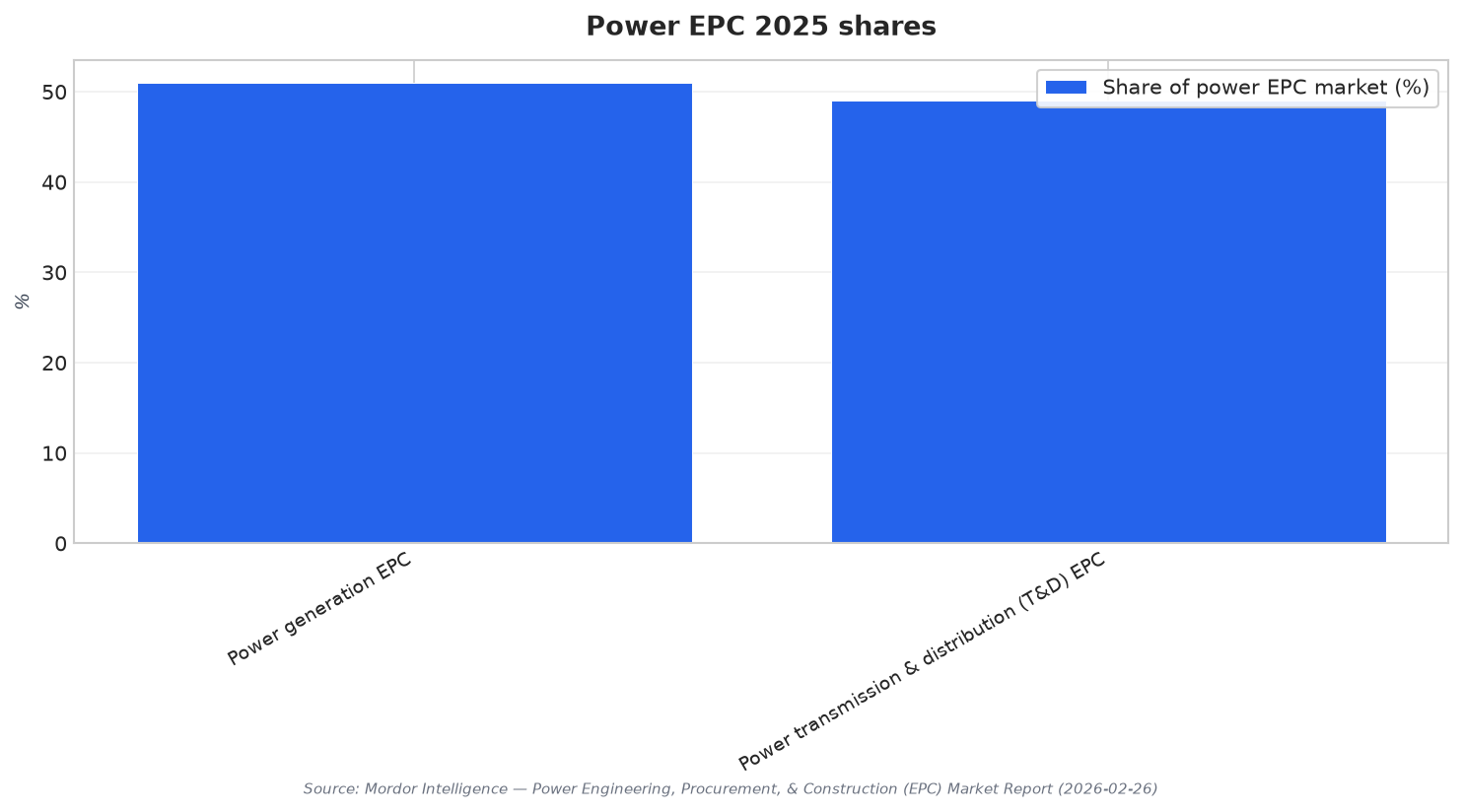
Power EPC trends matter because energy-plant schedules often govern whether industrial zones can ramp on time. A power EPC report expects the global market to grow from USD 1.43 trillion in 2025 to USD 1.51 trillion in 2026, and to reach USD 2.12 trillion by 2031 at a 6.97% CAGR over 2026–2031. In 2025, power generation EPC accounted for 50.98% of the market, while transmission and distribution EPC is projected to grow at a 7.39% CAGR through 2031. The same report shows renewables commanded 60% of the 2025 power generation EPC market and are advancing at a 7.8% CAGR through 2031, which influences engineering scope, procurement lead times, and construction sequencing.
Why Localization and Partnerships Are Becoming Part of EPC Strategy
Localization is not just a policy theme; it is also a risk response. One EPC market source states that strategic sourcing and local partnerships are essential risk mitigation tools, citing supply chain fragility and raw material price volatility as constraints that can impact timelines and budgets. The same source notes EPC delivery depends on a global network of suppliers for steel, concrete, specialized equipment, and renewable energy components, and that cost swings can create unpredictable project costs. A separate report observed increased collaboration between local firms and multinationals, with nearly 45% of ongoing cross-border EPC contracts involving joint ventures, reinforcing why industrial energy-plant construction for SPARK and Jafurah is likely to reward bidders with credible local delivery models.
Execution complexity also pushes buyers toward capable EPC structures. One report notes that, globally, over 8,500 EPC projects were registered across energy, oil & gas, and utilities sectors in 2023 alone. Another flags that the availability of skilled labor remains a persistent challenge, especially in high-demand regions and specialized sectors, and emphasizes the need for proficiency in advanced construction techniques, digital tools, and safety protocols. For industrial clusters and energy plants, these constraints translate into bid differentiation around construction management depth, commissioning readiness, and the ability to plan around constrained labor pools without letting schedules slip.
Procurement and contract packaging choices can also change who wins. One market report highlights that the $10–50 million contract value category is the largest segment, while also describing a robust demand trend for larger EPC contracts tied to renewable energy and large-scale industrial projects. Another source expects increased use of modular and off-site construction techniques to reduce durations and overcome logistical challenges. Taken together, the practical takeaway for the Saudi Arabia-linked topic is clear: owners pursuing industrial energy plant construction in SPARK and Jafurah can use packaging, localization, and supply-chain strategy to balance speed, cost, and risk in a market that is expanding and increasingly complex.
How large is the global EPC market in the sources?
What do the sources say about global power EPC growth?
Why does localization matter for EPC delivery?
What is the renewables share of power generation EPC in 2025?
What should buyers consider for industrial energy plant construction in SPARK and Jafurah in Saudi Arabia?
Talk to us for your needs in:
-
Sustainable Construction Solutions
-
Strategic Construction Planning
-
Customer-Centric Construction Services
-
Operational Excellence in Construction
-
Leadership and Change Management for Construction
-
Digital Transformation in Construction
-
Saudi Construction Market Research
-
In-Depth Market Study for Construction
-
Market Intelligence and Insights in Construction
-
Feasibility Study and Assessment in Construction
-
Saudi Construction Benchmarking