Saudi Arabia has introduced a new framework governing foreign ownership of real estate through the Law of Real Estate Ownership by Non-Saudis, issued by Royal Decree No. M/14 dated 19/01/1447 (July 25, 2025). The law entered into force on 22 January 2026, repealing and superseding the 2000 framework under Royal Decree No. M/15, according to multiple legal and market summaries. Implementing regulations were approved by the Council of Ministers under Decision No. 43 dated 08/01/1448 AH (July 3, 2026), and the Cabinet approved the geographical zones and implementing regulations on 23 June 2026. In practice, foreign ownership is now a live, operating rule set, structured around designated geographic areas published by the Real Estate General Authority (REGA) through Saudi Properties.
The core change is a more open, but tightly administered, system that expands who can own property and what rights they can hold. Eligible categories include non-Saudi individuals (resident or nonresident), non-Saudi companies (whether or not operating in the Kingdom), non-Saudi nonprofit entities, diplomatic missions and international organizations (based on reciprocity and Ministry of Foreign Affairs approval), and Saudi companies with non-Saudi shareholders. The law also allows ownership and other real rights such as usufruct, easements, and similar rights, but generally within Council of Ministers-approved zones. Makkah and Madinah remain controlled: one source notes ownership is permitted for Muslim natural persons only under specific regulations, and another highlights distinct treatments for listed versus non-listed Saudi companies with foreign ownership, including Capital Market Authority rules for listed entities.
Why the New Framework Is Likely to Shift Development and Construction Demand
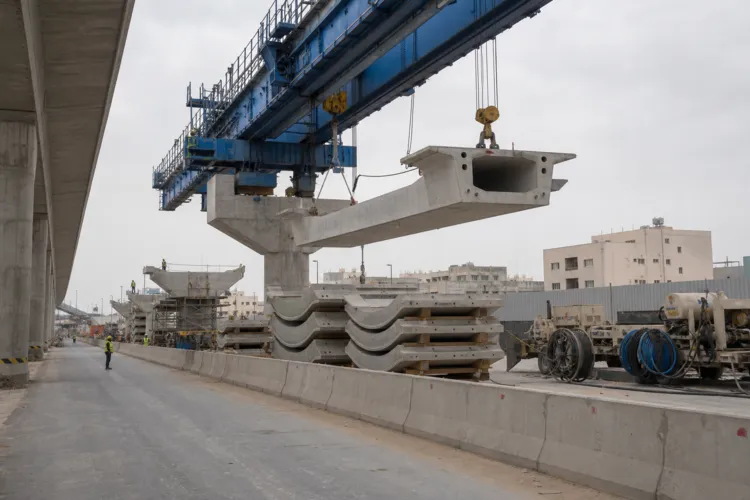
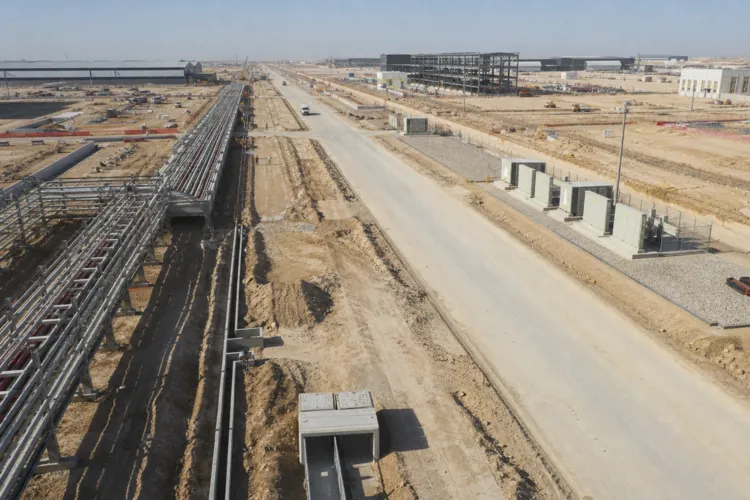
The practical mechanics of the new regime can change how quickly projects move from investment interest to shovel-ready sites. All purchases or acquisitions of rights by non-Saudis must be registered with the competent authority and recorded in the Real Estate Registry to be legally effective, creating a compliance step that developers and construction stakeholders must plan around. Transactions are routed through the Saudi Properties portal in the operational model described by market guidance. The zone-based structure also concentrates eligible demand into mapped locations, which can intensify competition and accelerate planning, permitting, and delivery in those zones once they are clearly published and adopted by buyers, sellers, and financiers. This is where the keyword topic—Saudi foreign real estate ownership law construction—becomes practical: regulatory clarity can translate into more defined project pipelines inside eligible areas, and different product mixes depending on what rights are permitted.
Costs and deal structure will also influence which projects proceed and how they are priced. One explainer notes that non-Saudis face a disposal fee of up to 5% on top of the standard 5% real estate transaction tax, suggesting buyers may budget roughly 10% in transaction costs plus registration fees. Separately, market context in a legal analysis frames the reform against estimates that Saudi real estate revenues were USD 132.3 billion in 2024 and projected to grow to USD 201.4 billion by 2030, at a forecast CAGR of around 7.5%. The same analysis reports residential sales reaching approximately SAR 118 billion (around USD 32 billion) in 2024. Together, these figures and the new rulebook can shape construction demand by influencing feasibility, exit routes, and how institutional capital evaluates projects within the new ownership perimeter.
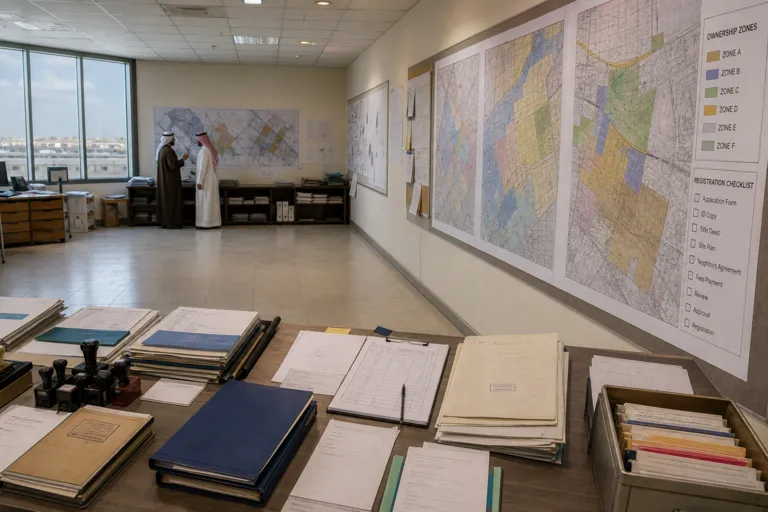
For developers, contractors, and investors, the headline takeaway is not simply that ownership is “allowed,” but that it is administered through zones, buyer eligibility, and registration. The Council of Ministers-approved Geographic Scope Document, published by REGA, defines where non-Saudis may own and sets permitted ownership limits with mapped locations. Special controls apply in Makkah and Madinah, including religious limitations and different rules for listed versus non-listed Saudi companies with foreign ownership. As stakeholders align land sourcing, project design, and funding structures with these mapped permissions, construction demand can become more concentrated, more compliance-driven, and more closely tied to the deal paths the law now enables.
When did Royal Decree M/14 become effective?
Who can own real estate under the new non-Saudi ownership framework?
How does the zone-based model affect development decisions?
What transaction costs should non-Saudi buyers consider under the new rules?
How is the Saudi foreign real estate ownership law tied to construction planning?
Talk to us for your needs in:
-
Sustainable Construction Solutions
-
Strategic Construction Planning
-
Customer-Centric Construction Services
-
Operational Excellence in Construction
-
Leadership and Change Management for Construction
-
Digital Transformation in Construction
-
Saudi Construction Market Research
-
In-Depth Market Study for Construction
-
Market Intelligence and Insights in Construction
-
Feasibility Study and Assessment in Construction
-
Saudi Construction Benchmarking