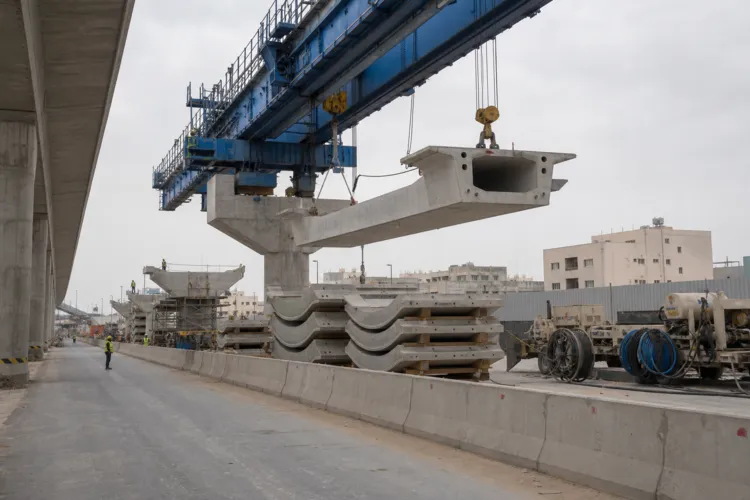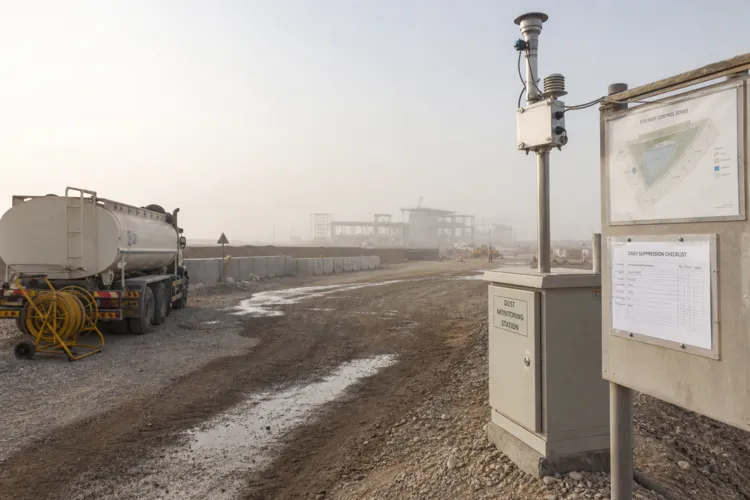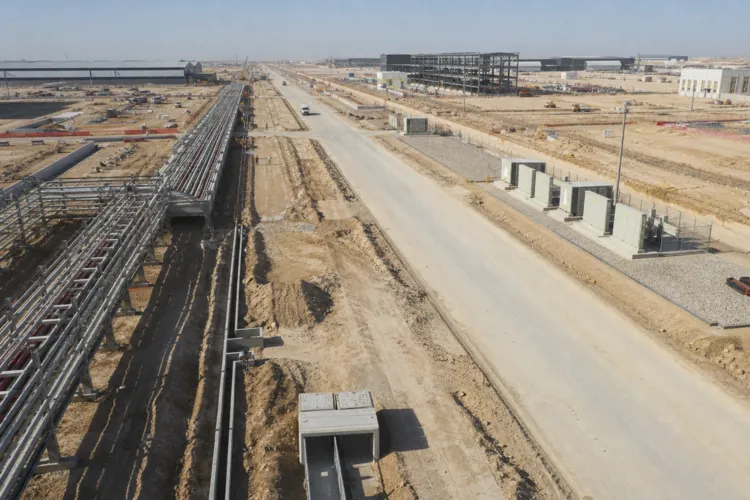
In 2026, the “envelope squeeze” is real: Saudi Arabia’s construction pipeline is colliding with tighter expectations for thermal performance, and the building envelope is where compliance is won or lost. IndexBox frames the Saudi thermal insulation panels segment as a maturing market moving beyond basic adoption toward quality, fire safety standards, and long-term performance metrics. Its overview links demand to major development nodes, noting that Riyadh and the Eastern Province have historically accounted for the largest share of consumption. It also cites new, high-demand nodes tied to giga-projects such as NEOM, the Red Sea Project, and Qiddiya, which are reshaping logistics and supply strategies for insulation panel suppliers.
Regulation is the demand engine. IndexBox points to the Saudi Building Code (SBC) and its energy conservation provisions (SBC 601 & 602) as the primary market shaper for insulation panels. A separate market commentary notes that Saudi Arabia’s mandatory thermal insulation codes under the SBC require building envelopes to meet defined energy performance levels, and that the Saudi Energy Efficiency Center (SEEC) actively audits compliance. This is why specifying teams are paying closer attention not just to “insulation,” but to verifiable envelope outcomes. In practice, that means clearer submittals, more scrutiny on system compatibility, and fewer shortcuts on installation details that affect real-world thermal results.
What Materials and Systems Are Winning the 2026 Spec Conversation?
On the product side, IndexBox defines insulation panels as spanning expanded polystyrene (EPS), extruded polystyrene (XPS), polyisocyanurate (PIR), mineral wool, and emerging composite solutions, each aimed at different performance and application needs. KenResearch adds detail on the broader Saudi thermal insulation materials market, reporting a 2025 market value of USD 1,200.0 million and projecting growth to USD 1,800.9 million by 2031, a forecast CAGR of 7.00%. It also reports volume rising from 571.4 thousand tonnes in 2025 to 785.0 thousand tonnes in 2031, a 5.45% CAGR, and notes polymer foams as the dominant material segment at 43.0% of material revenue in 2025. These numbers matter because they show scale and direction: more material, more complexity, and more pressure to match the right system to the right envelope assembly.
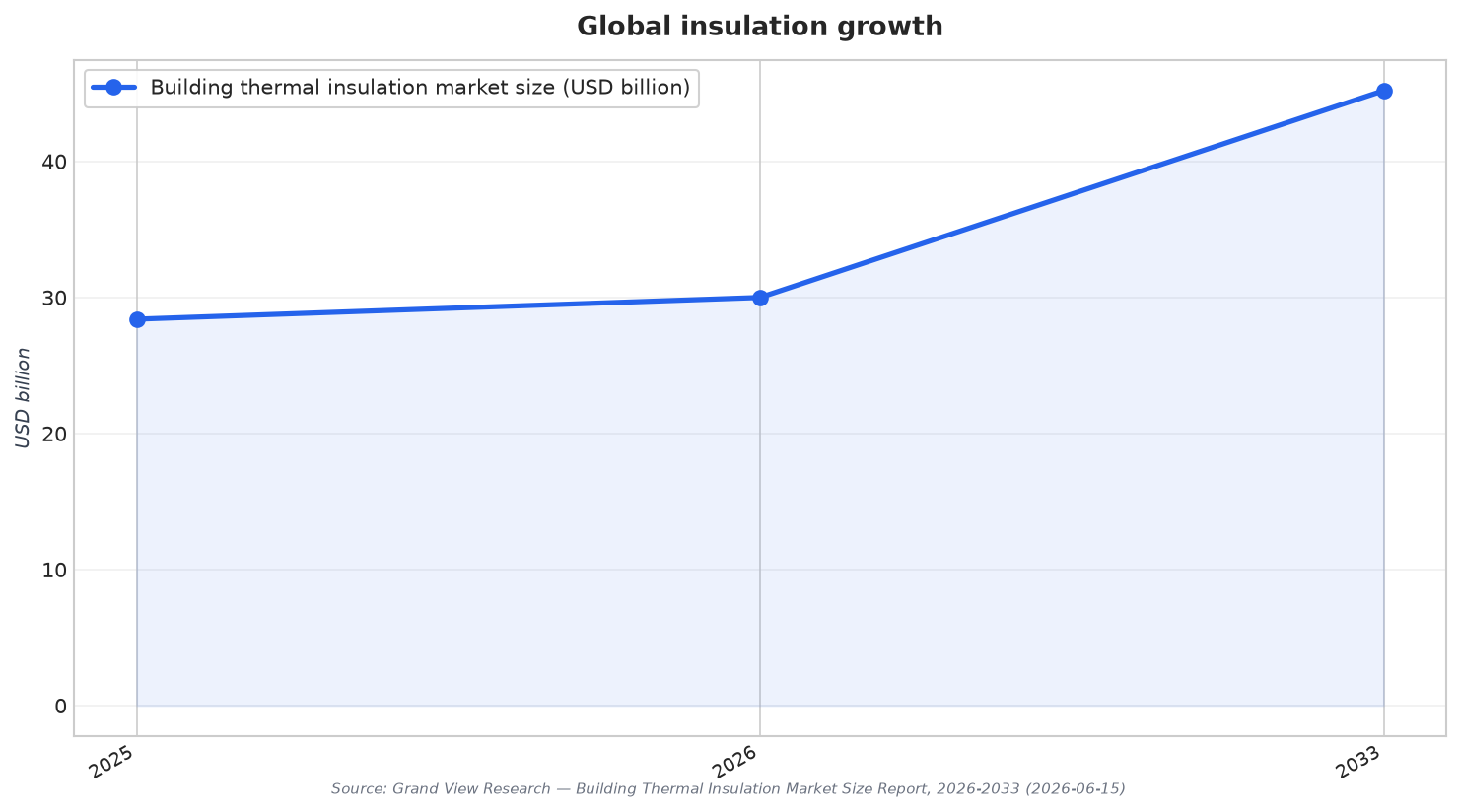
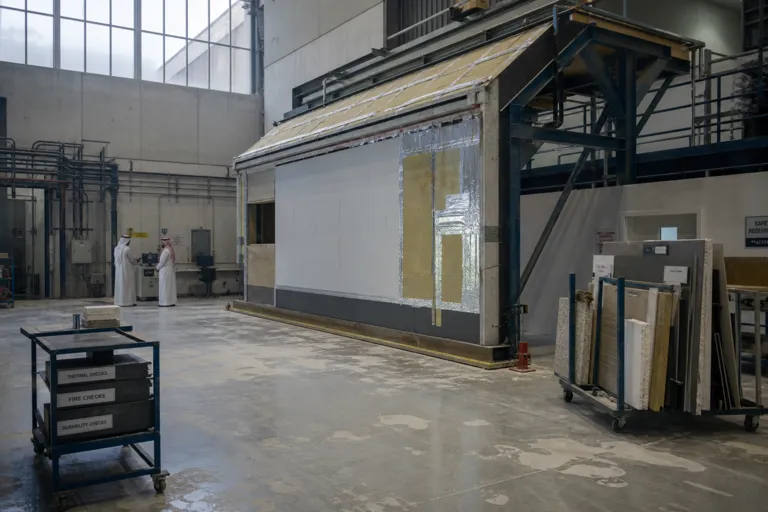
Building-envelope priorities are also shaping where insulation is used. Grand View Research reports that wall applications led the global building thermal insulation market and accounted for 42.3% of market share in 2025, driven by emphasis on energy-efficient envelopes and stringent regulations related to indoor thermal performance. For material selection, it highlights mineral/stone wool as widely used for thermal insulation, noting its role in maintaining energy efficiency, providing fire protection, and improving acoustics, and that it is manufactured from volcanic rocks such as dolomite, diabase, and basalt. In parallel, Technavio notes that newer solutions are demonstrating a 15% improvement in thermal resistance r-value over conventional products, tying adoption to meeting energy conservation codes and net-zero building standards.
Supply and localization add another constraint in Saudi projects. KenResearch describes a value chain that runs through domestic manufacturers, international suppliers, specification consultants, distributors, and installation contractors, and reports 85 total players in 2025. It also notes local capacity, citing that AFICO has manufactured fiberglass insulation in Saudi Arabia since 1981 and that Saudi Rock Wool Factory has operated since 1992, while specialized high-performance materials remain import-dependent. For project teams working on building envelope insulation materials under the Saudi Building Code, this translates into practical decisions: specify what can be delivered on schedule, document compliance clearly, and align performance targets with systems that installers can execute consistently under audit pressure.
Which Saudi regulations are shaping insulation choices in 2026?
What is the 2025 size of Saudi Arabia’s thermal insulation materials market, and how is it forecast to change?
How fast is insulation material volume expected to grow in Saudi Arabia through 2031?
Which insulation materials are commonly included in Saudi insulation panel specifications?
How do building envelope insulation materials under the Saudi Building Code connect to wall performance trends?
Talk to us for your needs in:
-
Sustainable Construction Solutions
-
Strategic Construction Planning
-
Customer-Centric Construction Services
-
Operational Excellence in Construction
-
Leadership and Change Management for Construction
-
Digital Transformation in Construction
-
Saudi Construction Market Research
-
In-Depth Market Study for Construction
-
Market Intelligence and Insights in Construction
-
Feasibility Study and Assessment in Construction
-
Saudi Construction Benchmarking