Saudi Arabia’s next wave of towers and giga-projects is making glazing a schedule-critical material. IMARC Group estimates the Saudi Arabia glass curtain wall market reached USD 599.73 million in 2025 and projects USD 963.95 million by 2034, with a 5.41% CAGR for 2026–2034. In parallel, IMARC places the broader Saudi Arabia facade market at USD 2.6 billion in 2024, forecast to reach USD 4.9 billion by 2033 at a 6.40% CAGR for 2025–2033. These figures signal more than growth. They signal a tight race between architectural ambition and the ability of manufacturers, fabricators, and installers to deliver consistent, high-performance facade packages on time.
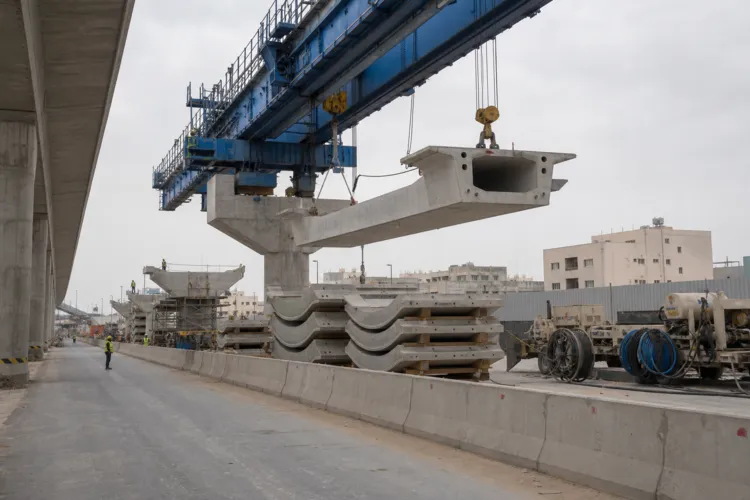
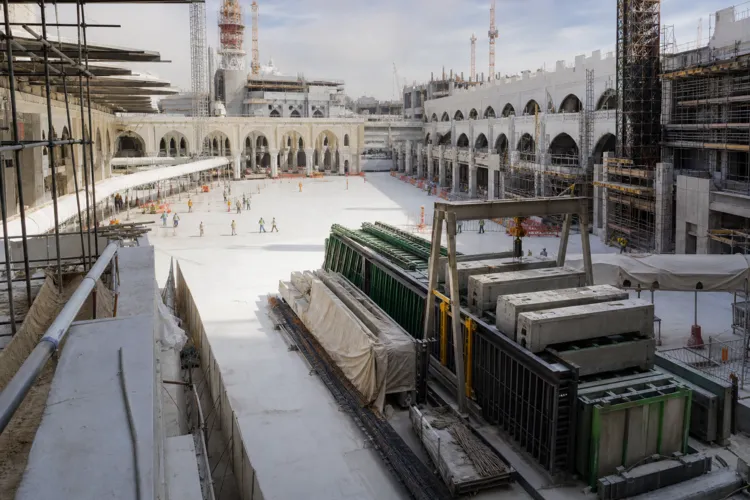
Project scale is the core stress test for Saudi Arabia’s curtain wall glass facade supply chain. NEOM’s The Line is cited with 2.1 million square meters of mirrored glass facades across its 500-meter-tall structure, and also described as requiring 2.1 million square metres of mirrored glass facade in Phase 1 alone. Contract awards for the Kingdom’s giga-projects are described as surging 20% to USD 196 billion in 2025. Another source frames the construction pipeline as exceeding USD 800 billion in contracts over the next five to seven years. In this context, a single facade package can turn into a high-volume, multi-spec procurement event that exposes any weakness in capacity, logistics, or quality control.
Why Specification Shifts Create a Real Bottleneck
The bottleneck is not only about volume. It is also about what type of glass is being specified. The GCC flat glass market source says annealed glass accounted for 79.86% of volume in 2025, while “the rising popularity of curtain-wall façades with low-emissivity coatings” is steering architects toward processed options. A Saudi-focused float glass report reinforces that commercial construction is a primary consumer of performance-driven glass such as Low-E, tempered, laminated, and coated glass for curtain wall systems. On the systems side, Ken Research describes unitized curtain wall systems as the largest and fastest-growing configuration in Saudi Arabia due to prefabrication advantages, speed of installation on high-rise projects, and performance in energy efficiency and air-tightness.
Regional supply dynamics add another layer to delivery risk and opportunity. Mordor Intelligence states Saudi Arabia holds 60.10% of the GCC flat glass market and is forecast to compound at 4.64% per year through 2031. It also notes local production expansion, citing Obeikan’s second float line lifting nameplate capacity to 360,000 tons and Gulf Guard commissioning a USD 215 million expansion. Developers are described as favoring local or regional suppliers to reduce logistics risk and comply with local-content rules, which can intensify competition for the same production slots. Meanwhile, the same source notes solar glass is forecast at a 6.65% CAGR to 2031, a reminder that other glass applications can pull capacity and attention.
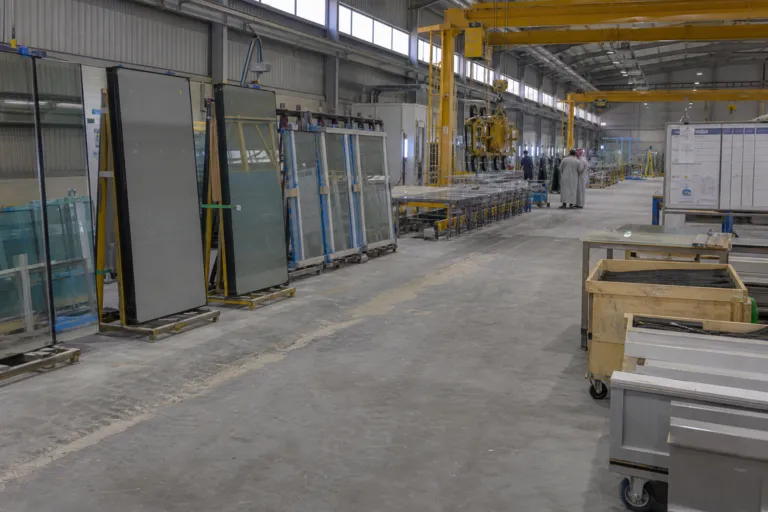
Quality and throughput controls are also part of the supply conversation, especially when facade packages shift to coated and insulated configurations. One Saudi Arabia glass curtain wall market source describes AI-powered computer vision that identifies surface defects and coating inconsistencies during production, reducing waste by up to 15% while maintaining premium quality. It also points to predictive maintenance and energy optimization in manufacturing, plus automated design and engineering that can reduce engineering time by generating optimized panel configurations from building specifications. Put together, these moves aim to stabilize schedules and reduce rework in a market where giga-project timelines, new performance expectations, and massive facade quantities collide.
What is driving the curtain wall glass facade supply story in Saudi Arabia right now?
How large is Saudi Arabia’s glass curtain wall market according to the sources?
What does the GCC flat glass data say about Saudi Arabia’s role in regional supply?
Why are higher-performance glass specifications increasing pressure on supply chains?
How might AI affect production quality and waste for facade glazing in Saudi Arabia?
Talk to us for your needs in:
-
Sustainable Construction Solutions
-
Strategic Construction Planning
-
Customer-Centric Construction Services
-
Operational Excellence in Construction
-
Leadership and Change Management for Construction
-
Digital Transformation in Construction
-
Saudi Construction Market Research
-
In-Depth Market Study for Construction
-
Market Intelligence and Insights in Construction
-
Feasibility Study and Assessment in Construction
-
Saudi Construction Benchmarking