Saudi Arabia’s white land fees began with a 2016 royal decree that obligated owners of “white land” inside urban areas to pay 2.5% of the land value. In the Prime Advisory summary, “white land” refers to undeveloped plots within urban boundaries that are capable of being serviced and built on for residential or mixed uses. That framing matters for residential pipelines. It targets land that can realistically be turned into homes, not remote holdings. The core mechanism is simple. It raises the cost of holding serviced, idle plots. That creates pressure to sell, partner, or build rather than wait.
The expansion that sets the 2026 context is anchored in the 2025 amendments described by Prime Advisory. On April 29, 2025, the Council of Ministers approval increased the fee to 10%, reduced the minimum area to 5,000 square meters, widened the scope to include vacant properties, and rebranded the approach to capture a wider set of unproductive assets, including certain vacant buildings. The implementing regulations introduce a tiered, priority-based structure with annual rates set by geographic priority. Priority I can be up to 10% of land value. Priority II is 7.5%. Priority III is 5%. Priority IV is 2.5%. This is why developers treat the expansion like a clock. The longer land stays unproductive, the more predictable the annual cost becomes.
Why Higher Annual Fees Can Translate Into Faster Residential Starts
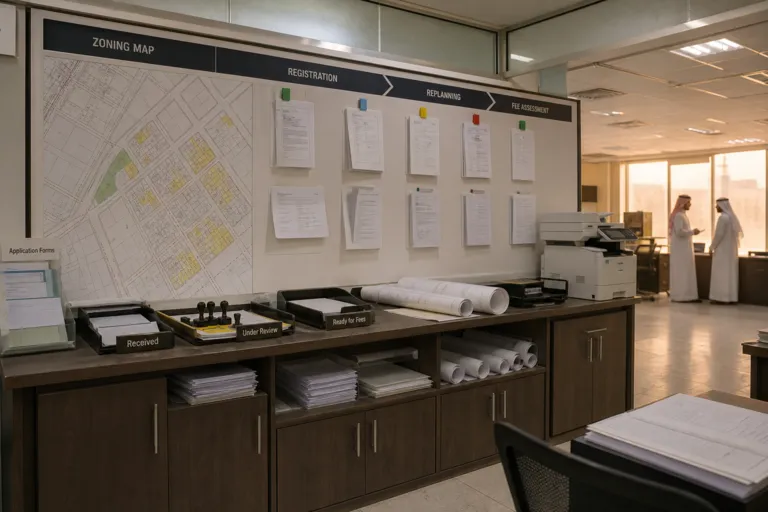
From an incentives standpoint, the Saudi changes align with broader land-value-tax logic described in the land value tax overview. A land value tax is a levy on the value of land without regard to buildings or improvements. At sufficiently high levels, it can encourage landowners to sell or develop unused locations because it raises holding costs and can tax away rents that would otherwise be capitalized into prices. The Saudi design goes further by targeting “idle” urban plots and introducing geographic priority zones. Prime Advisory also notes that areas outside designated priority zones may be exempt, which makes boundary definitions and zoning choices part of the construction-start conversation, not just a legal detail.
Prime Advisory calls out practical “missed opportunities” that help explain how the white land fee expansion can accelerate residential execution, especially when owners respond early. One is failing to re-classify and register land quickly after the rules tightened. Another is overlooking mixed-use densification, where converting or re-zoning parcels for higher-density mixed residential or commercial concepts can reduce taxable idle area while increasing yield per square meter. A third is not monetizing short-term activation, which the source frames as a way to reduce exposure and generate early cashflow. Together, these behaviors map directly to earlier starts: register intent, design a denser program, and move the plot from idle to productive to limit annual fees.
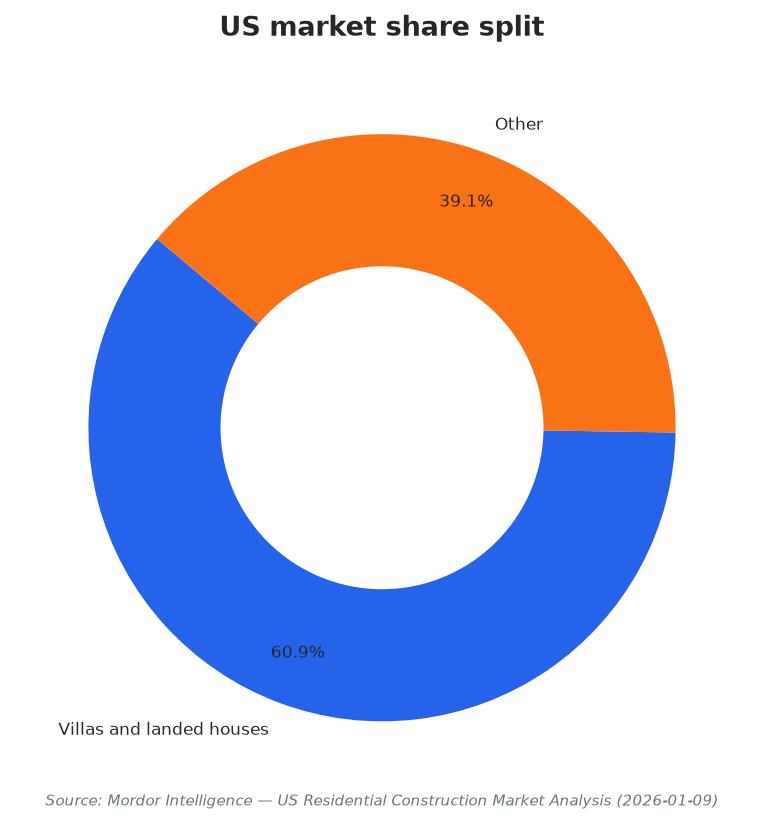
It is also important to keep geographic scope clear when comparing markets. US sources show how tax and policy levers can influence construction economics, but those figures describe the United States, not Saudi Arabia. For example, a New America analysis notes that at a typical urban property tax rate of around 1.2% in the US, the net present value of those taxes over 30 years can equal 20% of original construction cost, and it argues for shifting tax away from buildings and toward land to encourage infill and mixed-use construction while staying revenue neutral. In Saudi Arabia, the white land fee structure described above focuses directly on land and idle assets. This difference is why the “white land tax residential construction Saudi Arabia” topic is less about marginal tax tweaks and more about a step-change in the annual cost of waiting.
What changed in Saudi Arabia’s white land fees after the 2025 amendments?
How do the priority zones affect the annual white land fee rate?
How can white land fees accelerate residential construction starts in Saudi Arabia?
What is the difference between a land value tax and a typical property tax, based on the sources?
Talk to us for your needs in:
-
Sustainable Construction Solutions
-
Strategic Construction Planning
-
Customer-Centric Construction Services
-
Operational Excellence in Construction
-
Leadership and Change Management for Construction
-
Digital Transformation in Construction
-
Saudi Construction Market Research
-
In-Depth Market Study for Construction
-
Market Intelligence and Insights in Construction
-
Feasibility Study and Assessment in Construction
-
Saudi Construction Benchmarking