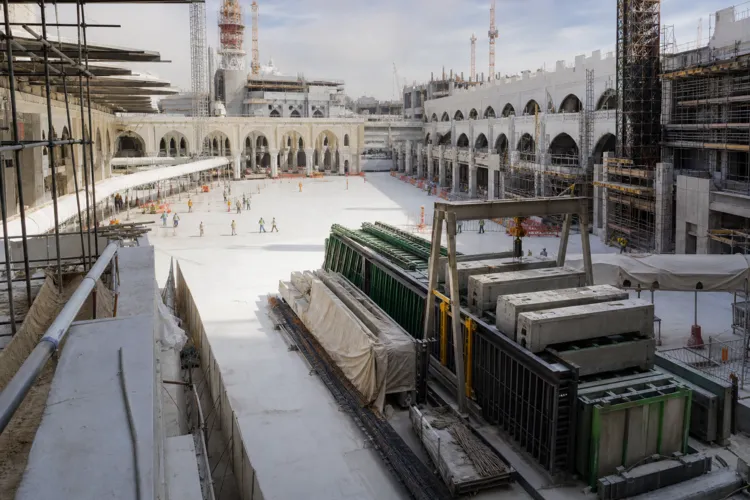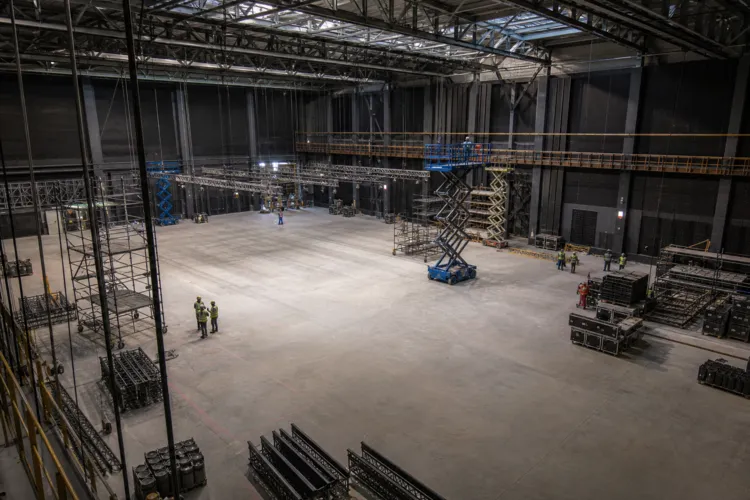
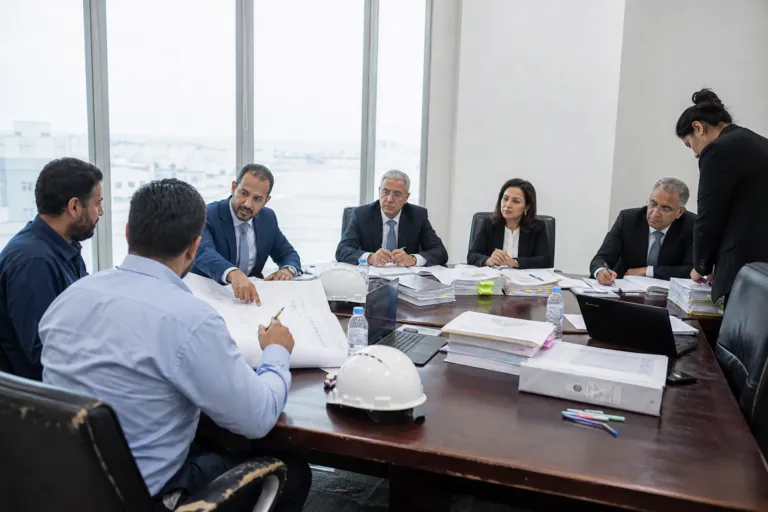
Construction disputes often turn into high-stakes, multi-issue conflicts. In Saudi Arabia, the arbitration landscape around these projects is changing quickly. The Saudi Center for Commercial Arbitration (SCCA) has reported sustained growth in new filings, and construction and engineering disputes were the most common type of cases it handled, representing 38% of its caseload last year. That shift matters for parties drafting contracts today because it changes what “normal” looks like in construction dispute arbitration in Saudi Arabia: forum choice, procedure, timelines, and enforcement expectations are increasingly being tested in real cases.
Recent SCCA statistics highlight why stakeholders are paying attention. New cases filed at the SCCA increased to 120 from 92 the previous year. Of the 120 new cases, 73 were arbitration cases, which was 27 more than the year before. The same reporting describes continued multi-year growth in arbitration caseload, following increases of 50%, 66.7%, and 84% over the previous three years. The user base is also international in scope: parties from 29 countries were involved in SCCA cases in 2024, which signals broader comfort with Saudi-seated proceedings for disputes connected to the Kingdom.
What Reform Looks Like in Practice: Draft Law, Courts, and Procedure
Legal and institutional reform is part of what is driving this momentum. Saudi Arabia published a Draft Arbitration Law in 2025 for public consultation, and commentary on the proposals points to changes that aim to modernise how arbitration works. These include making party choice of law for arbitration agreements explicit, expanding the definition of “award” to include interim and partial awards for enforcement, and removing the requirement to deposit awards with courts for enforcement. Other proposals include allowing tribunals to rule on their own jurisdiction and assigning supervisory jurisdiction for international arbitration matters to the Commercial Court of Appeal in Riyadh, unless parties agree otherwise.
At the same time, court data is being used to demonstrate predictability. One SCCA-linked report analysed 967 arbitration-related judgments from Saudi courts of appeal between January 2023 and June 2025. Of those 967 decisions, 194 were applications to annul an award. Courts rejected 174 of those annulment applications, an 89.7% rejection rate. The same source compares this to an earlier SCCA study covering 2017 to 2022, where over 92% of annulment applications (120 out of 131) were rejected. For construction claims, this kind of record supports more confident seat selection and enforcement planning.
Procedure is also evolving through institutional capacity. The SCCA updated its arbitration rules in 2023 to emphasise technology use to streamline procedures, reduce environmental impact, and enhance process efficiency. Governance changes have supported enhanced independence, and a new SCCA Court was created to decide administrative matters. By the time the relevant text was prepared, the SCCA Court had disposed of 323 matters since its inception in May 2023, including fixing advance deposits (89), confirming arbitrator nominations (73, with only one rejection), reviewing awards (52), directly appointing arbitrators (47), and finally fixing fees and expenses (36). For time-sensitive projects, reported timelines also stand out: cases with sums in dispute exceeding $304 million were disposed of on average in less than six months, and the longest time to make an award in an arbitration ending in 2024 was just under 14 months.
Why is arbitration becoming more visible in Saudi construction disputes?
What do the SCCA numbers show about the growth in arbitration cases?
How long can an SCCA arbitration take based on recent reporting?
What does Saudi case law suggest about annulment risks for Saudi-seated awards?
How is construction dispute arbitration in Saudi Arabia being reshaped by reform proposals?
Talk to us for your needs in:
-
Sustainable Construction Solutions
-
Strategic Construction Planning
-
Customer-Centric Construction Services
-
Operational Excellence in Construction
-
Leadership and Change Management for Construction
-
Digital Transformation in Construction
-
Saudi Construction Market Research
-
In-Depth Market Study for Construction
-
Market Intelligence and Insights in Construction
-
Feasibility Study and Assessment in Construction
-
Saudi Construction Benchmarking